
 EN
Understanding Cable Gland Essentials in Electrical Systems
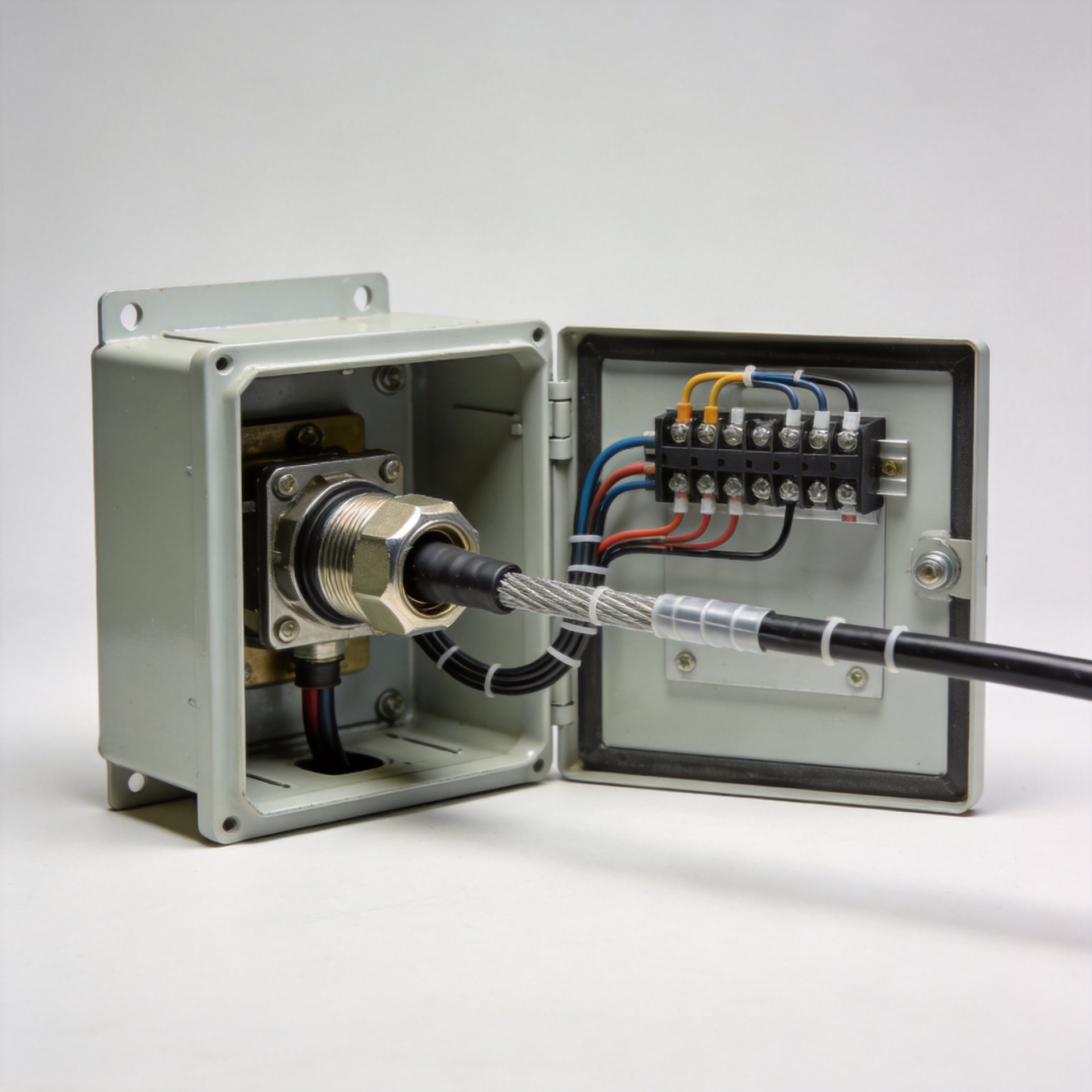
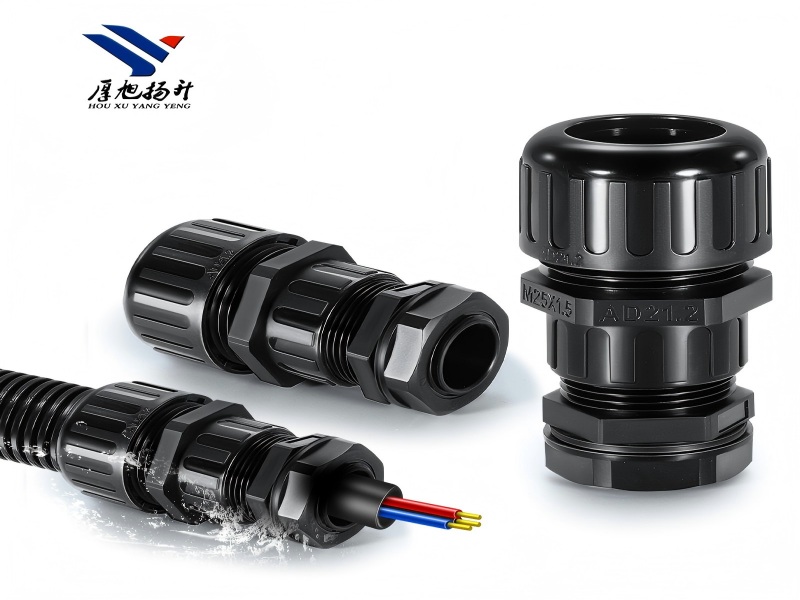
Field engineers and maintenance technicians often face frustrating service calls where electrical cables snap, fray, or loosen right at the enclosure entry point due to unexpected mechanical tension and physical pulling forces. When heavy industrial machinery vibrates continuously or on-site workers accidentally tug on hanging lines during routine maintenance operations, unprotected wire terminations bear the absolute brunt of this destructive physical force, leading to sudden system failures and costly operational downtime. Installing a reliable cable gland serves as the vital primary line of defense against these hazardous pulling forces in commercial and industrial settings alike. By gripping the outer sheath of the conductor securely and uniformly, a well-designed cable gland effectively absorbs external traction and prevents damaging mechanical stress from transferring directly to fragile internal screw terminals, thereby ensuring continuous electrical stability across demanding operational environments with every deployed cable gland.
Mechanical Strain Relief Mechanics of Every Cable Gland
The engineering secret behind how a cable gland protects wiring infrastructure lies within its sophisticated mechanical strain relief architecture. Inside every industrial-grade cable gland, specialized internal clamping claws, flexible fingers, or precision-engineered elastomeric sealing inserts compress uniformly around the entire circumference of the cable outer diameter as the outer cap nut is tightened down. This specialized gripping action transforms a dangerous, concentrated longitudinal pull into a perfectly distributed radial holding force, anchoring the wire firmly in position against severe external drag. Experienced electrical contractors know intimately that without this essential mechanical anchorage provided by a robust cable gland, repeated mechanical flexing, thermal expansion cycles, and constant tension will eventually fatigue delicate copper wire strands, causing intermittent connection dropouts, high resistance hotspots, or catastrophic electrical short circuits that severely threaten overall facility safety whenever a substandard cable gland is utilized.
Environmental Sealing Benefits Provided by a Quality Cable Gland
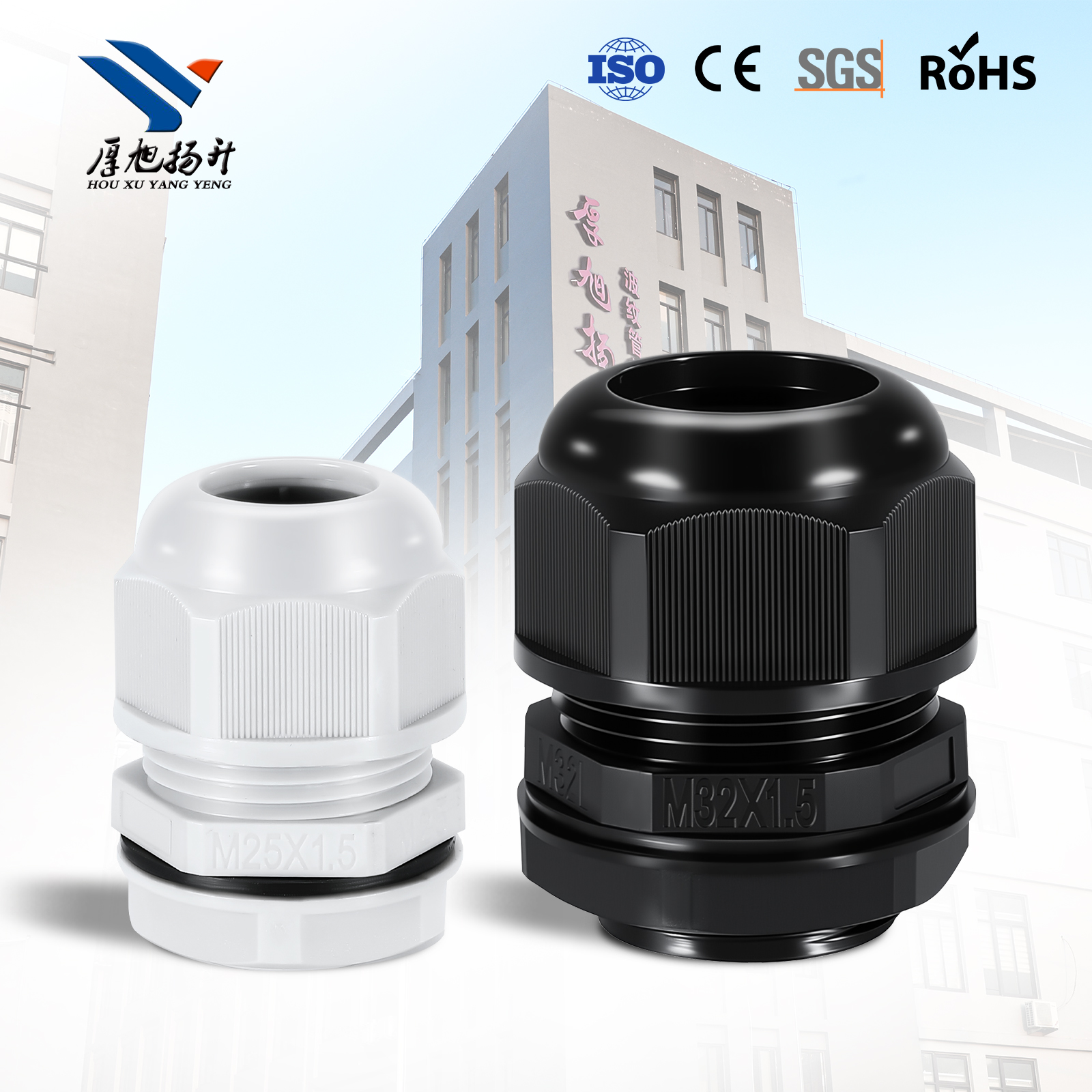
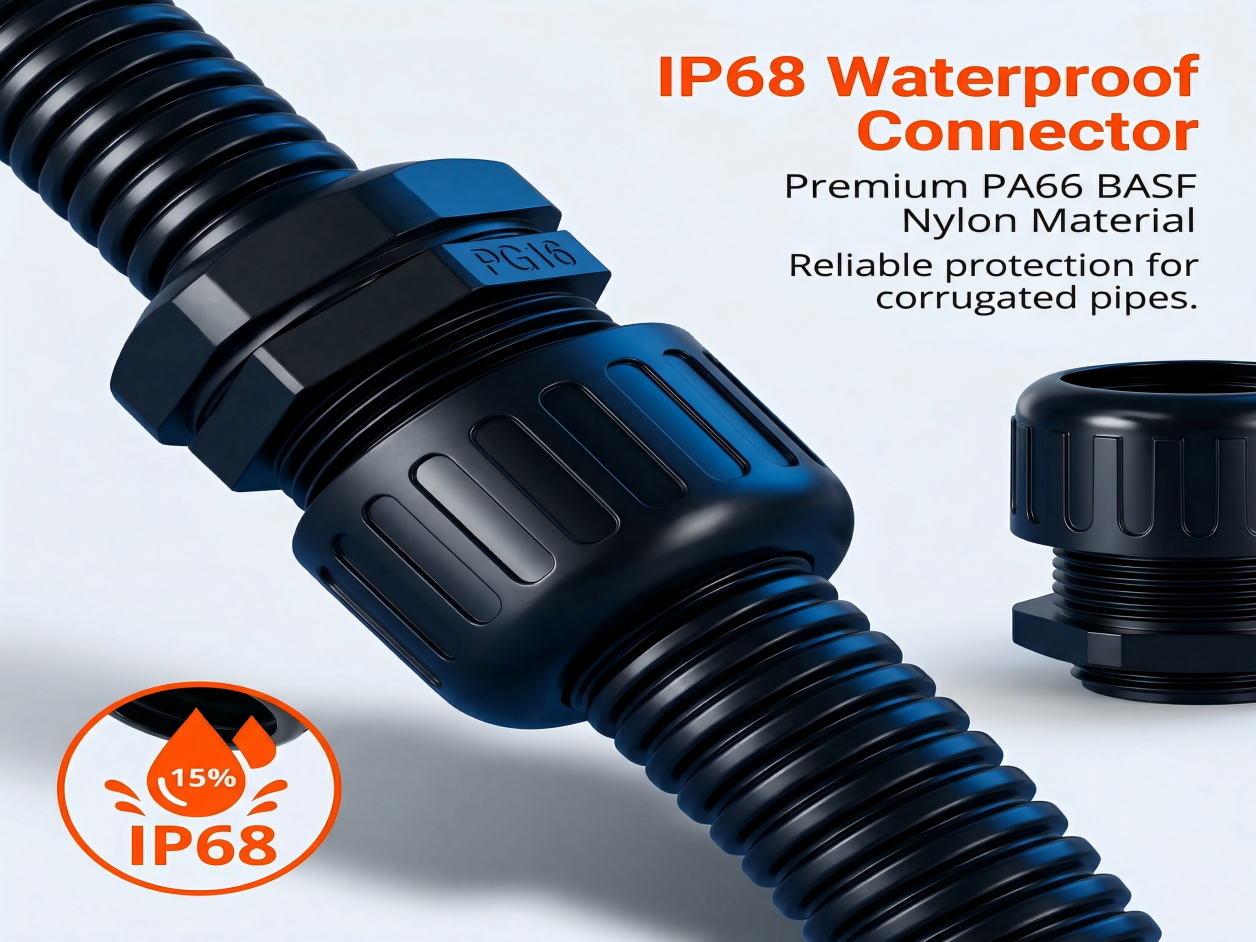
Beyond delivering superior mechanical strain relief and tensile strength, a modern cable gland offers critical secondary protection against hazardous environmental elements such as moisture ingress, fine dust particles, corrosive chemicals, and extreme temperature fluctuations. When physical tension is applied to an unsealed or poorly secured cable entry point, the conductor shifts slightly under the strain, creating microscopic gaps that instantly allow water, oil, or dust to infiltrate sensitive electrical control panels and junction boxes. A high-performance cable gland solves this complex dual challenge seamlessly by combining waterproof sealing rings and O-rings with its secure mechanical grip, successfully maintaining an IP68 waterproof rating even under severe, continuous pulling stress. Recognized international safety standards and electrical engineering authorities consistently emphasize that integrating a certified cable gland is an absolute prerequisite for maintaining both uncompromised mechanical integrity and robust environmental protection in harsh outdoor, underground, or marine installations where every fitted cable gland counts.
Avoiding Installation Pitfalls With Proper Cable Gland Selection
Selecting the incorrect size or settling for low-quality materials when purchasing a cable gland frequently introduces hidden, long-term failure points into otherwise meticulously planned electrical distribution systems. If the inner bore diameter of the cable gland is improperly matched or too large for the specific cable outer diameter being used, the internal clamping fingers will fail to apply even, balanced pressure, allowing the cable to slip dangerously and suffer severe pulling damage when subjected to normal operational loads. Conversely, attempting to force or over-tightening an ill-fitting cable gland can crush the internal conductor insulation, creating severe electrical grounding hazards and short-circuit risks. Professional installers and project managers always meticulously verify outer sheath dimensions, thread pitch standards, and torque ratings before deployment, ensuring that every selected cable gland operates at peak mechanical and electrical performance throughout its extended operational lifecycle alongside any paired cable gland accessories.
Sourcing Premium Cable Gland Solutions From Trusted Manufacturers
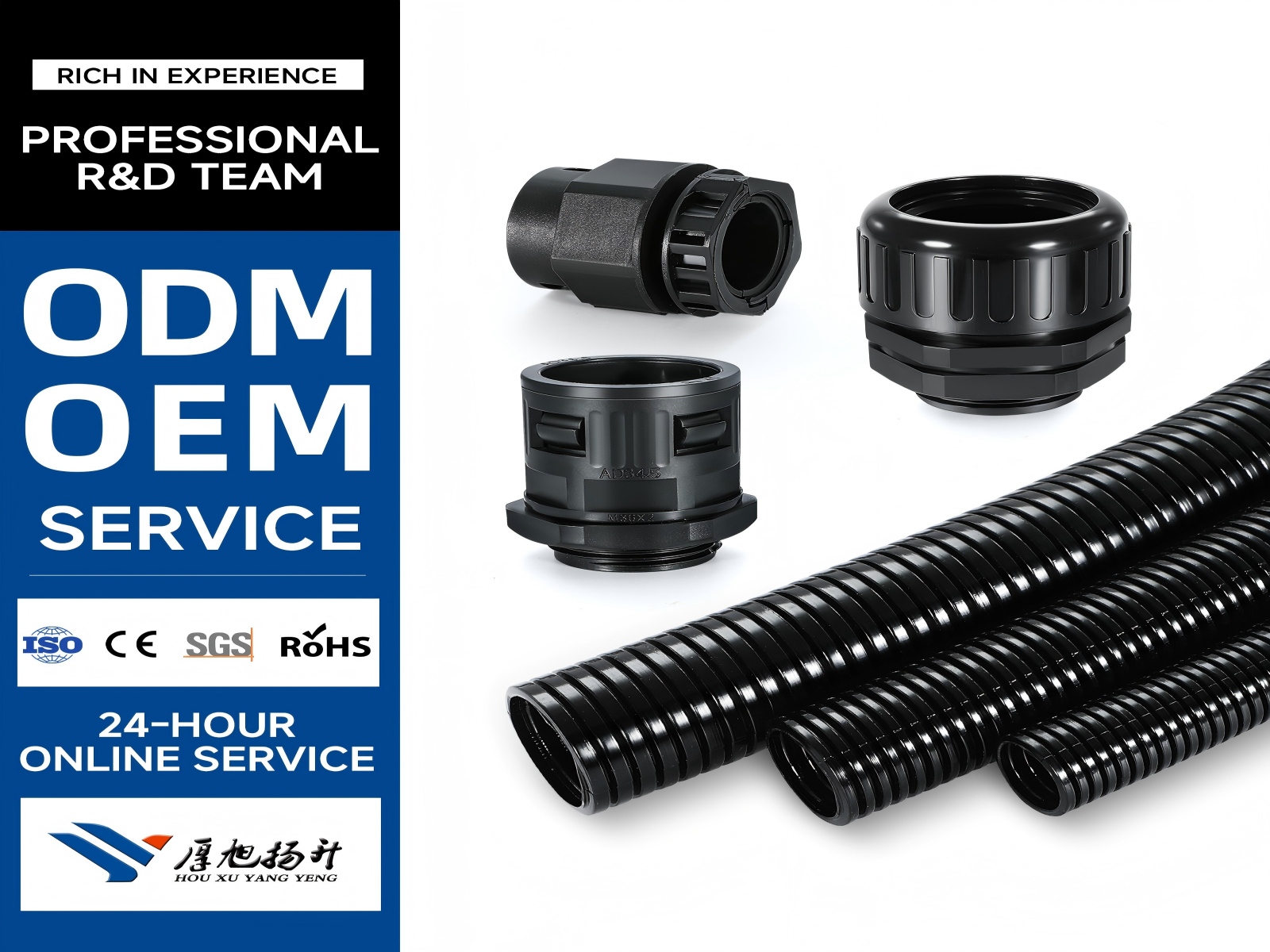
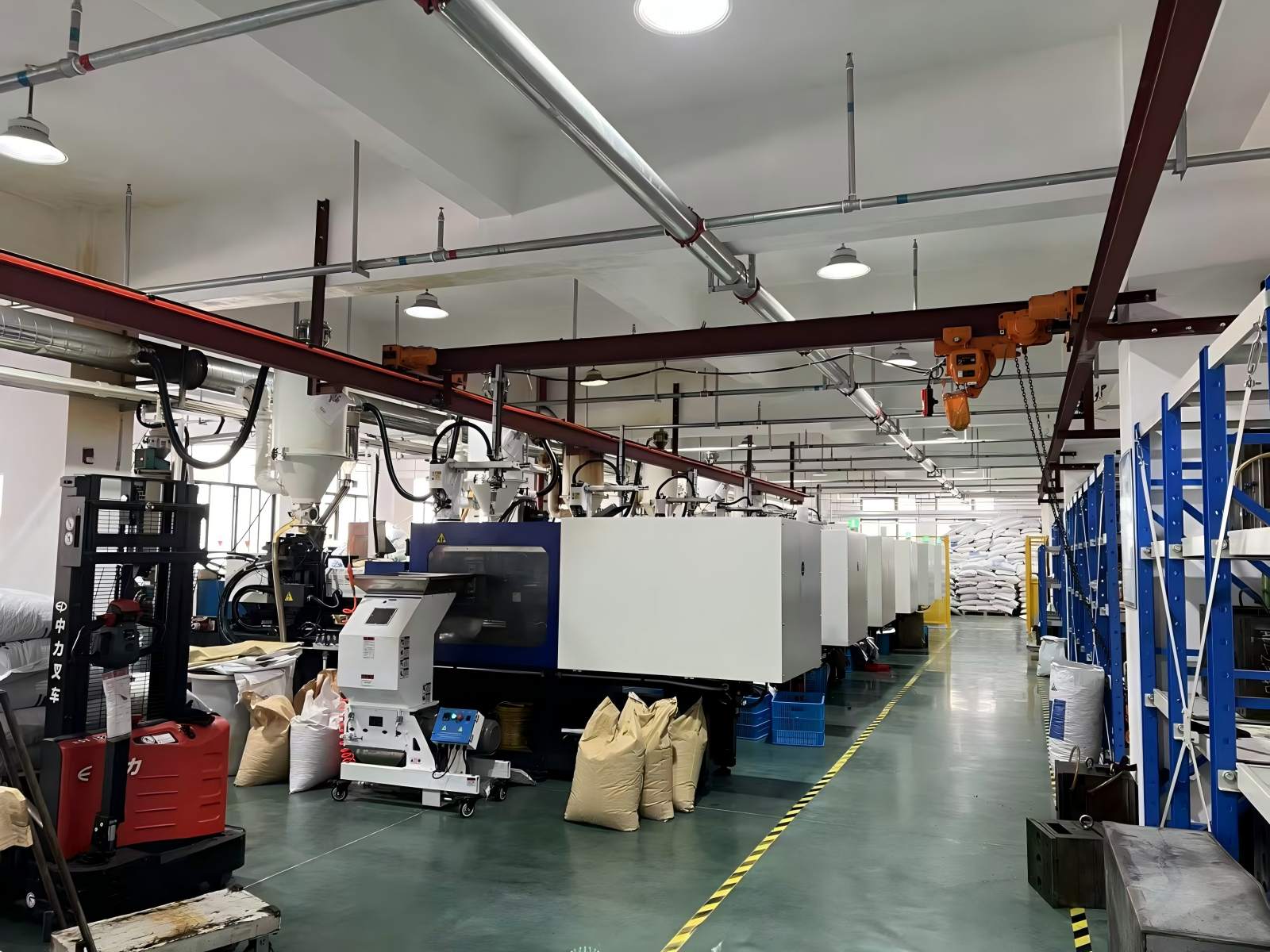
Achieving ultimate long-term reliability and safety in modern electrical infrastructure ultimately depends on sourcing high-performance hardware from reputable manufacturers equipped with advanced automated production technologies, precision CNC machining capabilities, and rigorous quality assurance protocols. Zhejiang Houxu Yangsheng Connector Co., Ltd. utilizes state-of-the-art fabrication techniques and strict environmental stress testing to manufacture a comprehensive, industry-leading portfolio of heavy-duty connection components. Each cable gland produced by the enterprise is meticulously engineered to comply with stringent international safety certifications, delivering exceptional tensile pull resistance, superior corrosion durability, and dependable strain relief performance. Partnering with a dedicated manufacturing expert like Zhejiang Houxu Yangsheng Connector Co., Ltd. empowers global electrical contractors, system integrators, and industrial distributors to secure their critical wiring networks against destructive pulling damage while significantly elevating overall project commercial value and brand trust through every reliable cable gland supplied.