 EN
Understanding the Foundation of Electrical Runs
Working on commercial electrical installations often reveals that the smallest components dictate the reliability of the entire system. Field experience shows that even high-grade wiring can fail prematurely if the junction points are compromised by poor mating or incorrect hardware choices. Selecting the proper conduit connector is the single most critical step in safeguarding industrial circuits against moisture, dust, and mechanical stress. Contractors frequently encounter unexpected downtime simply because the transition between the raceway and the enclosure lacked proper mechanical integrity during the initial setup phase.
Decoding Conduit Varieties and Structural Differences
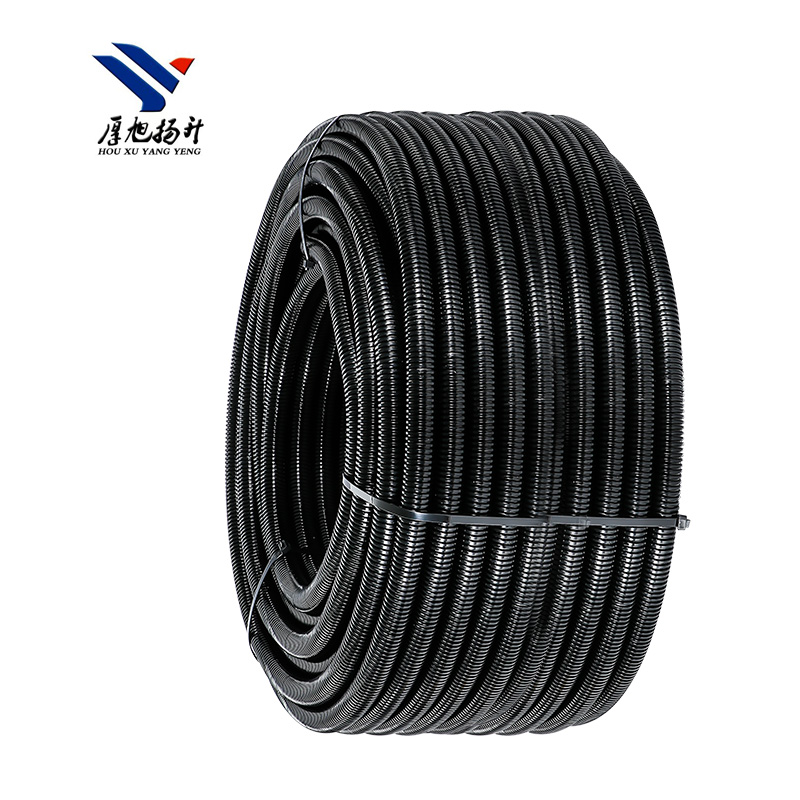
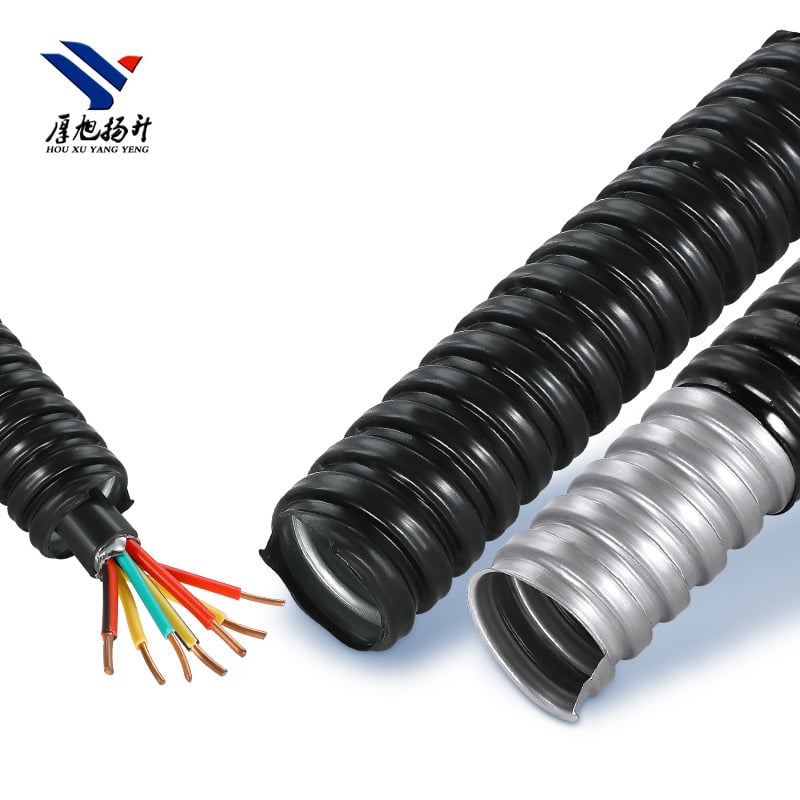
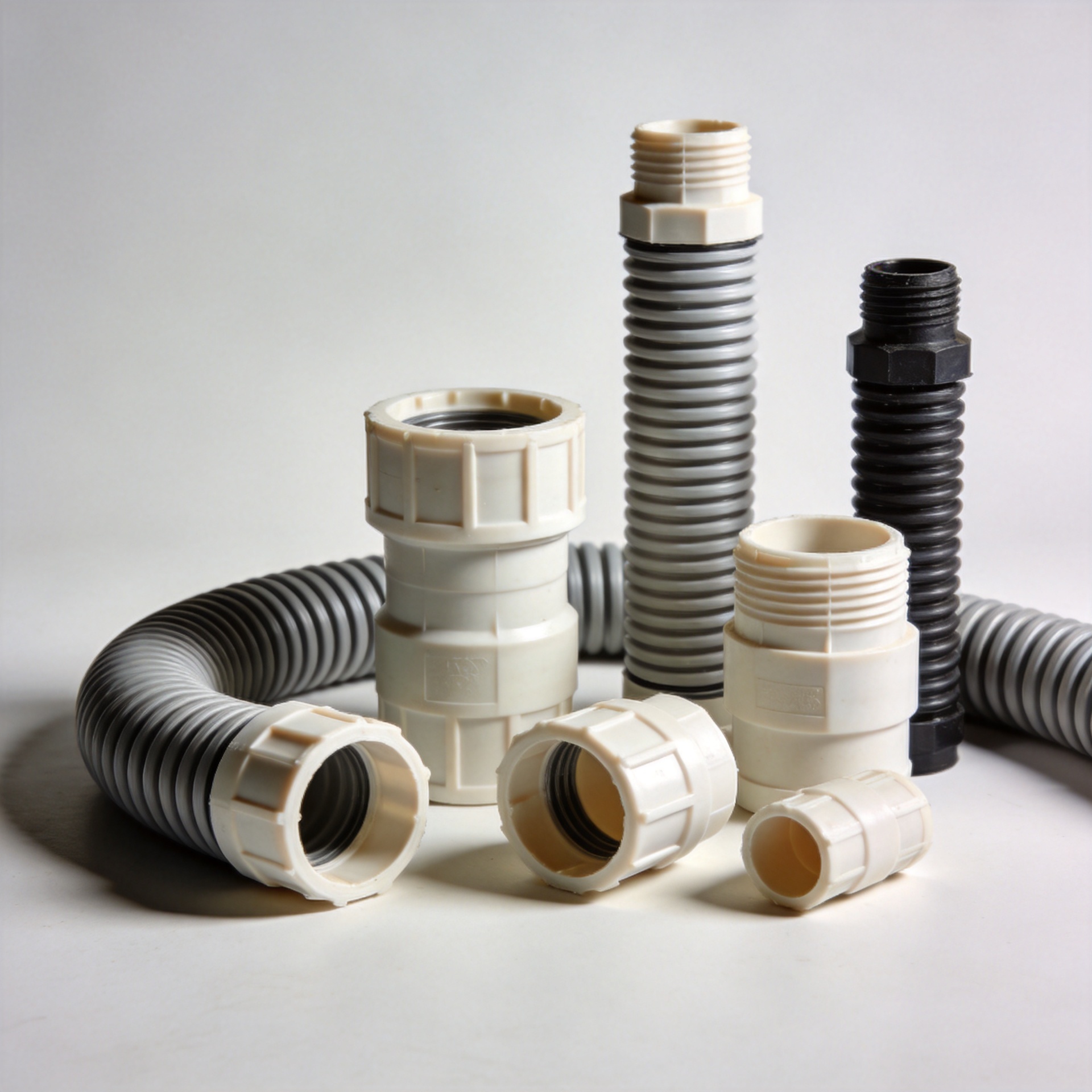
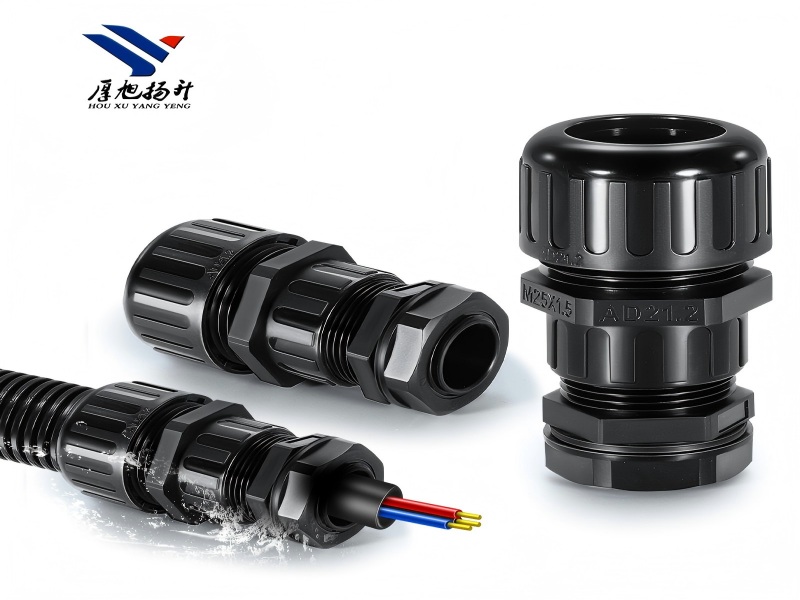
Different environments demand specific raceway materials, ranging from rigid steel and flexible metallic conduits to corrugated non-metallic tubing. Each structural format imposes unique physical constraints on the matching conduit connector. For instance, rigid galvanized steel setups require threaded compression fittings designed to handle heavy loads and vibration, whereas liquid-tight flexible conduits call for specialized compression rings and sealing washers. Certified electrical engineering standards emphasize that ignoring these structural nuances often leads to grounding failures or ingress vulnerabilities, highlighting why thorough material comprehension is indispensable for long-term project success.
Precision Matching Principles for Every Conduit Connector
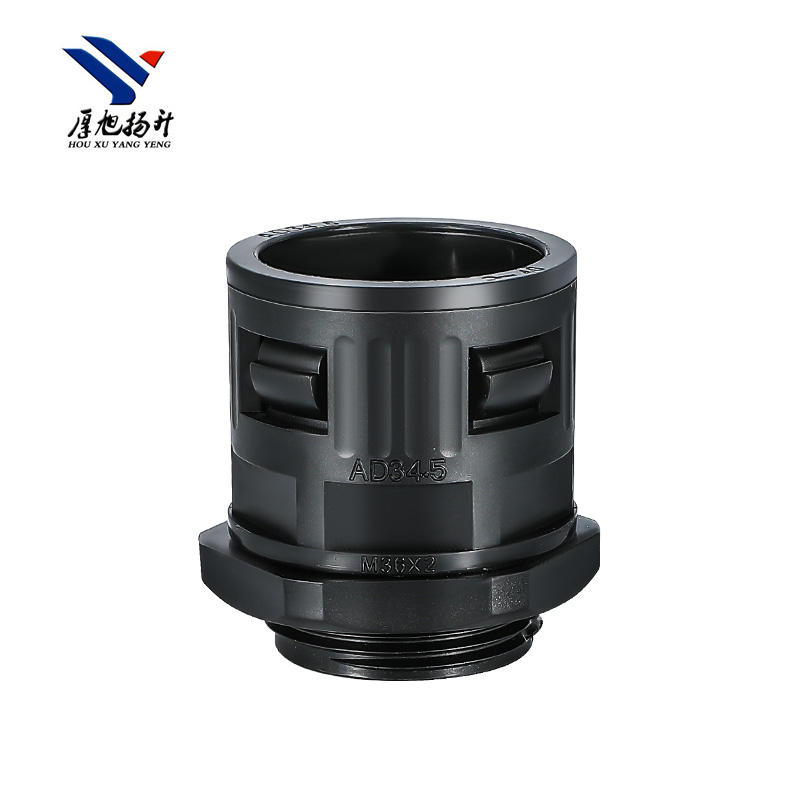
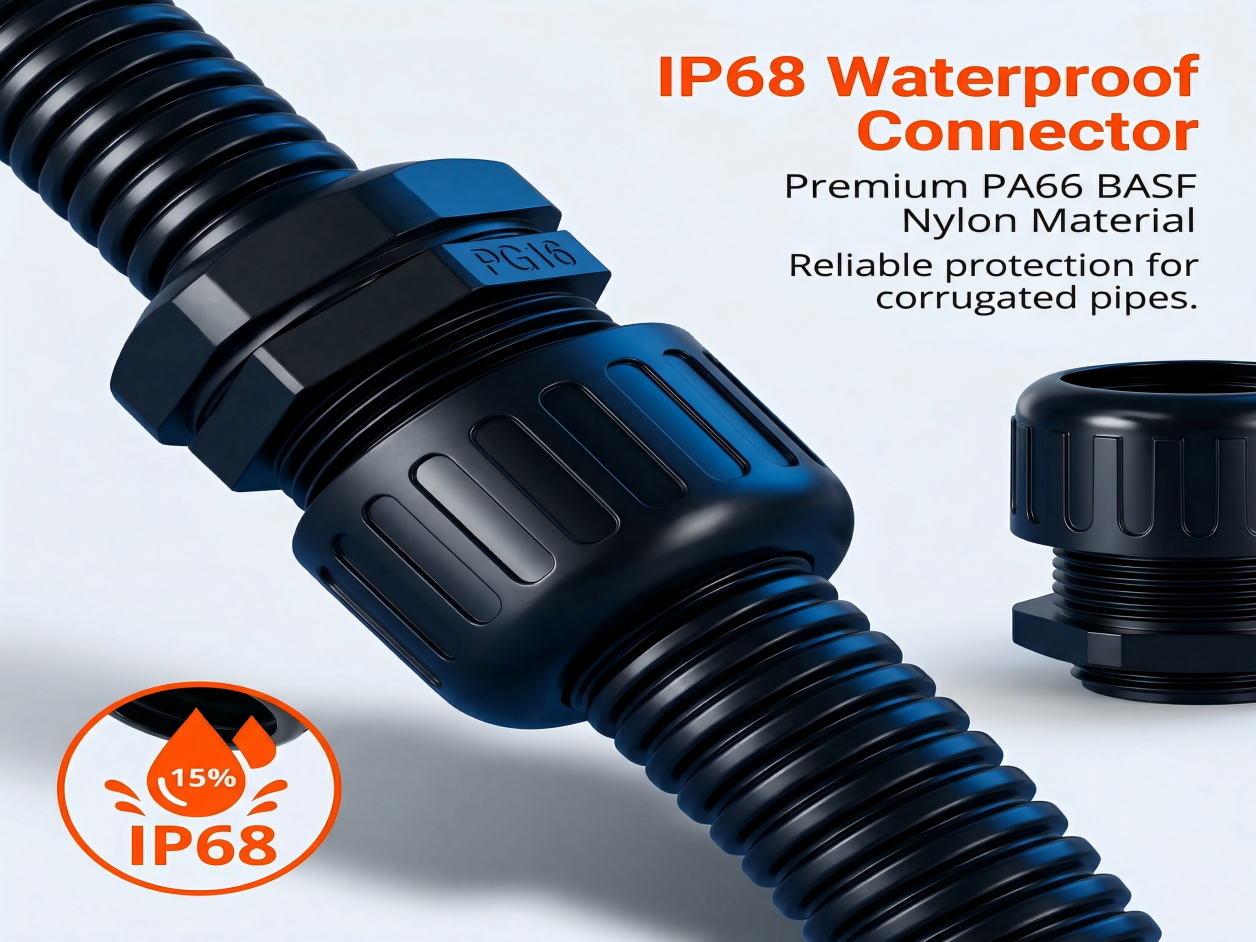
Achieving a secure fit requires evaluating inner diameters, thread pitches, and knockout dimensions with absolute precision. A mismatch between the conduit outer diameter and the inner bore of the conduit connector can deform the threading or leave microscopic gaps open to environmental hazards. Master electricians recommend verifying National Pipe Thread (NPT) or metric standards before tightening any locknut. When a conduit connector aligns perfectly with the specified raceway, it maintains continuous electrical continuity and superior pull-out resistance, ensuring that the assembly withstands intense operational pressure over extended service cycles.
Mitigating Installation Pitfalls and Field Challenges
Common installation errors usually stem from over-tightening or failing to utilize appropriate sealing gaskets in corrosive or wet locations. Technicians on major industrial sites often share stories of corroded junction boxes caused by low-grade components that lacked proper surface anti-oxidation treatments. Utilizing a heavy-duty conduit connector equipped with robust zinc alloy or stainless steel construction effectively combats moisture penetration and thermal expansion issues. Maintaining strict adherence to manufacturer torque guidelines ensures that every conduit connector remains firmly in place without crushing the inner conduit walls.
Elevating Project Value Through Advanced Manufacturing Partnerships
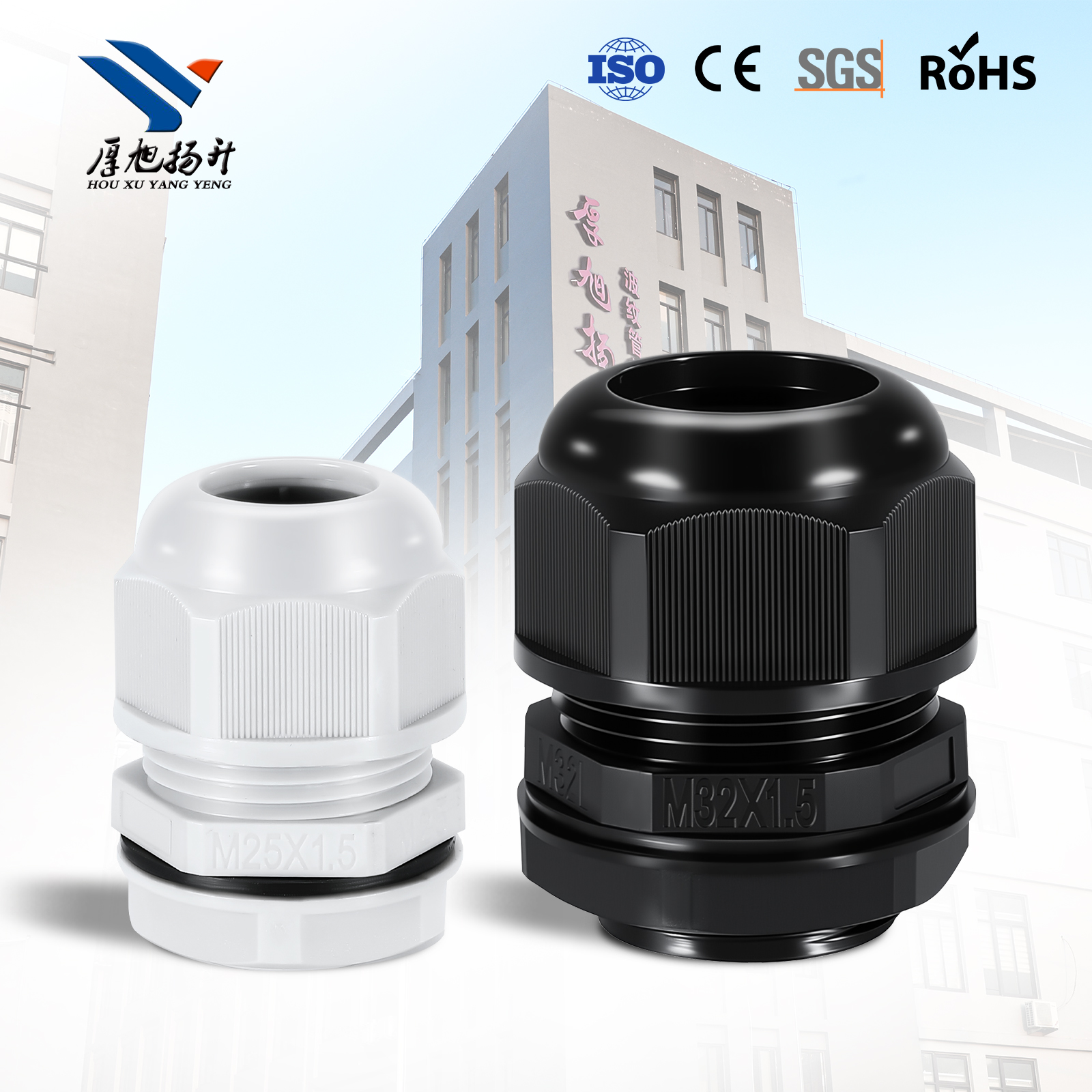
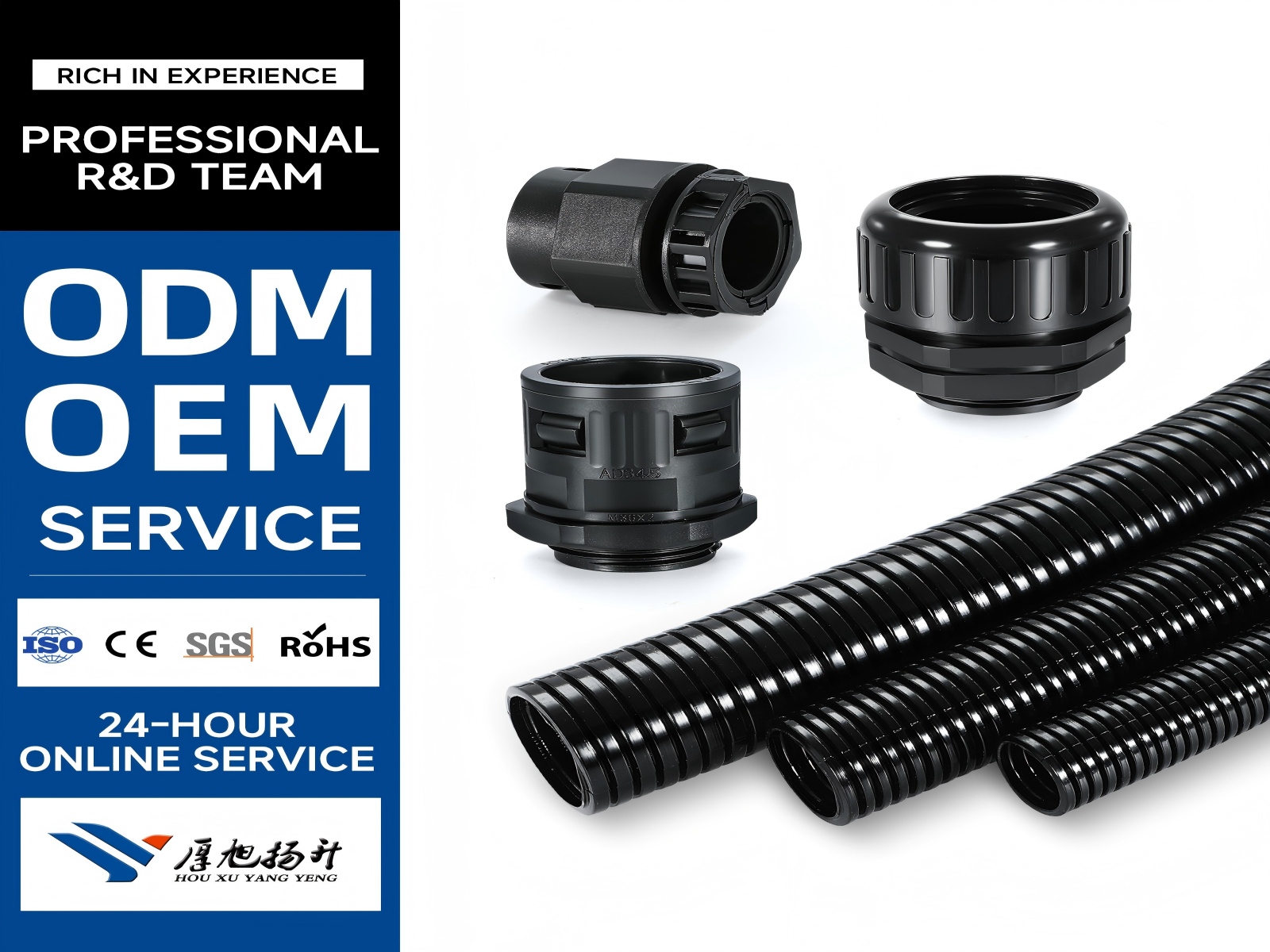
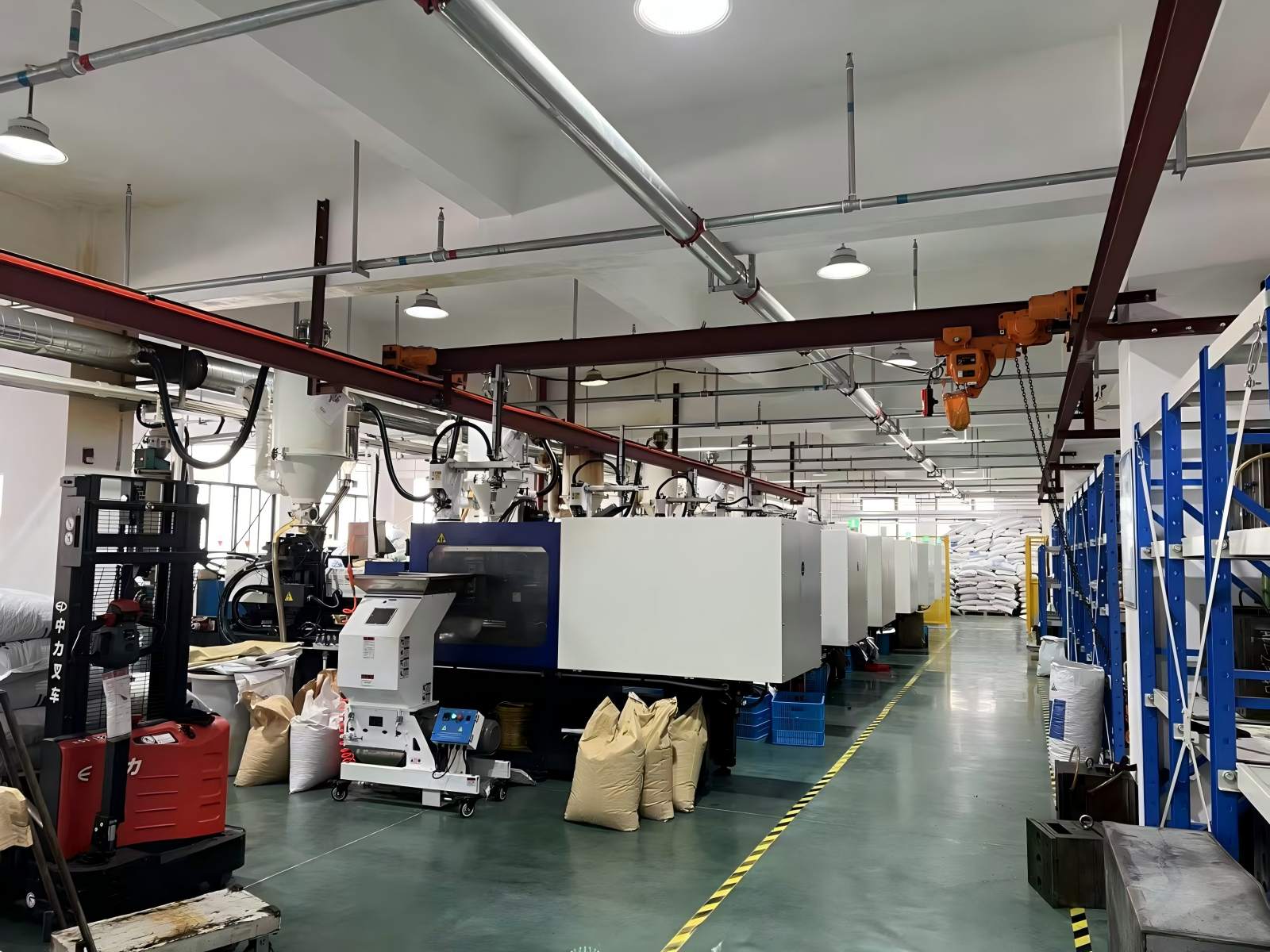
Securing reliable electrical infrastructure relies heavily on sourcing hardware from manufacturers equipped with robust production lines and rigorous quality control protocols. Zhejiang Houxu Yangsheng Connector Co., Ltd. leverages advanced fabrication techniques and precision machining to deliver a comprehensive portfolio of high-performance connection solutions tailored for global markets. By integrating strict testing standards into every manufacturing batch, the enterprise ensures that each conduit connector meets international safety certifications and client expectations. Partnering with a dedicated factory capable of large-scale supply chain execution ultimately empowers contractors and distributors to complete complex wiring projects efficiently and cost-effectively.