
 EN



What Are the Common Types of Conduit Connector?
No single conduit connector type fits every application — the right choice depends on your installation environment, conduit form, thread standard, and the ingress protection level required. Understanding the main types available makes the selection process considerably more straightforward. This overview covers the most common conduit connector categories, what distinguishes them, and where each tends to perform well.
What Is a Conduit Connector?
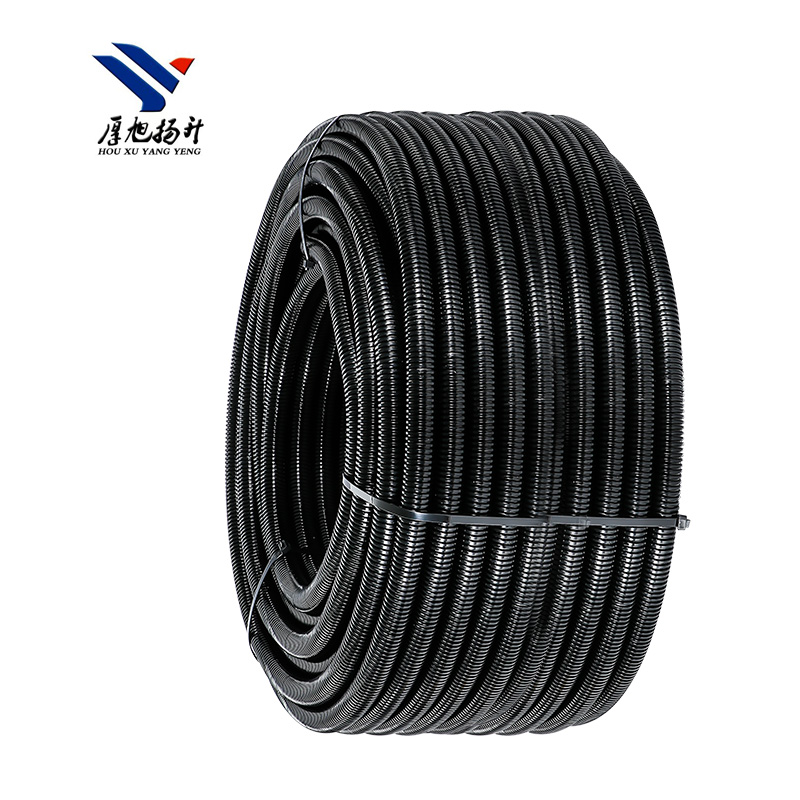
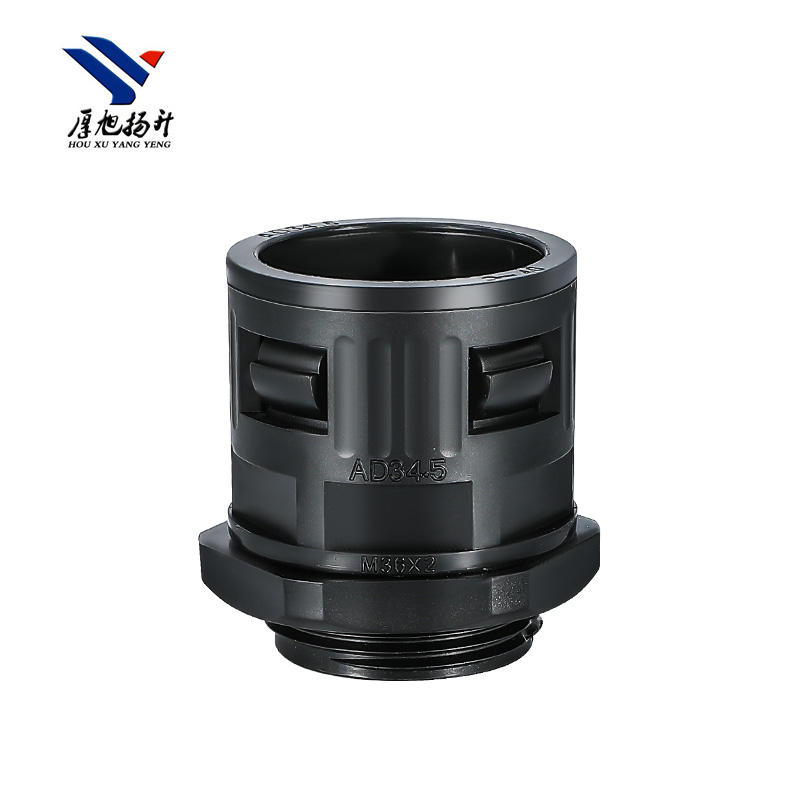
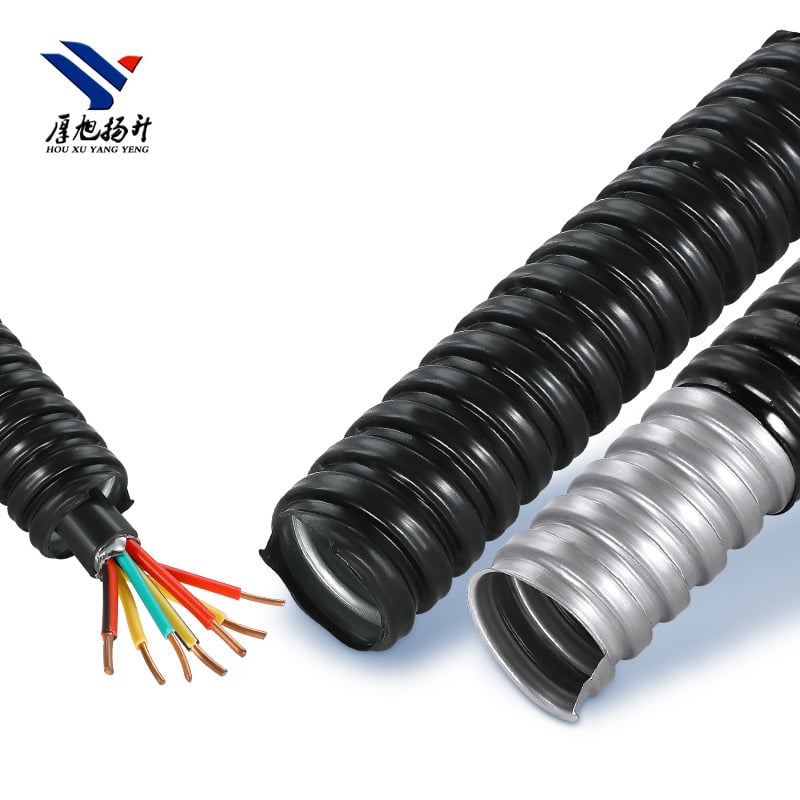
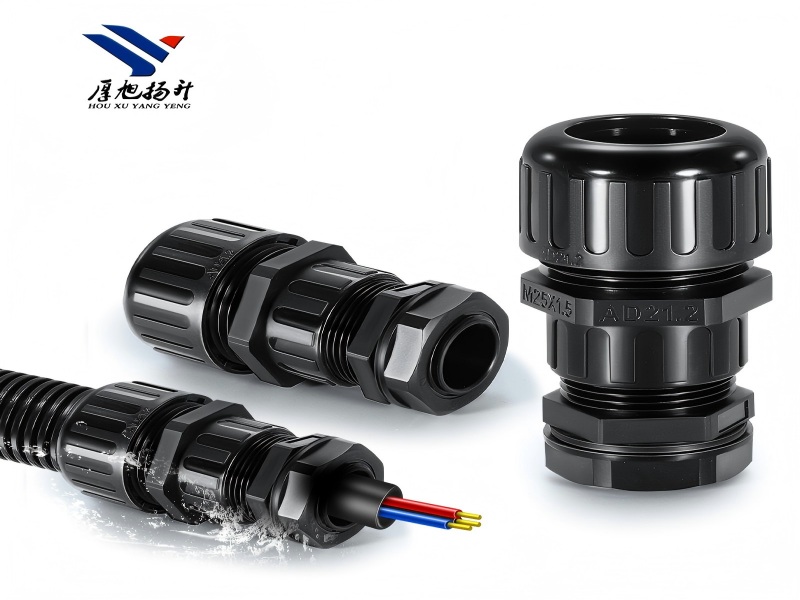
A conduit connector is the fitting that secures a section of conduit — typically flexible or semi-rigid corrugated pipe — to an enclosure, panel, or junction box. Its primary roles are to maintain the mechanical integrity of the conduit run at the entry point, provide strain relief for the cables inside, and, in IP-rated versions, maintain the enclosure's ingress protection level at each conduit entry. The type of conduit connector you select affects all three of these outcomes.
Types by Fitting Mechanism
The most practical starting point is how the connector attaches to both the conduit and the enclosure.
Compression Connectors
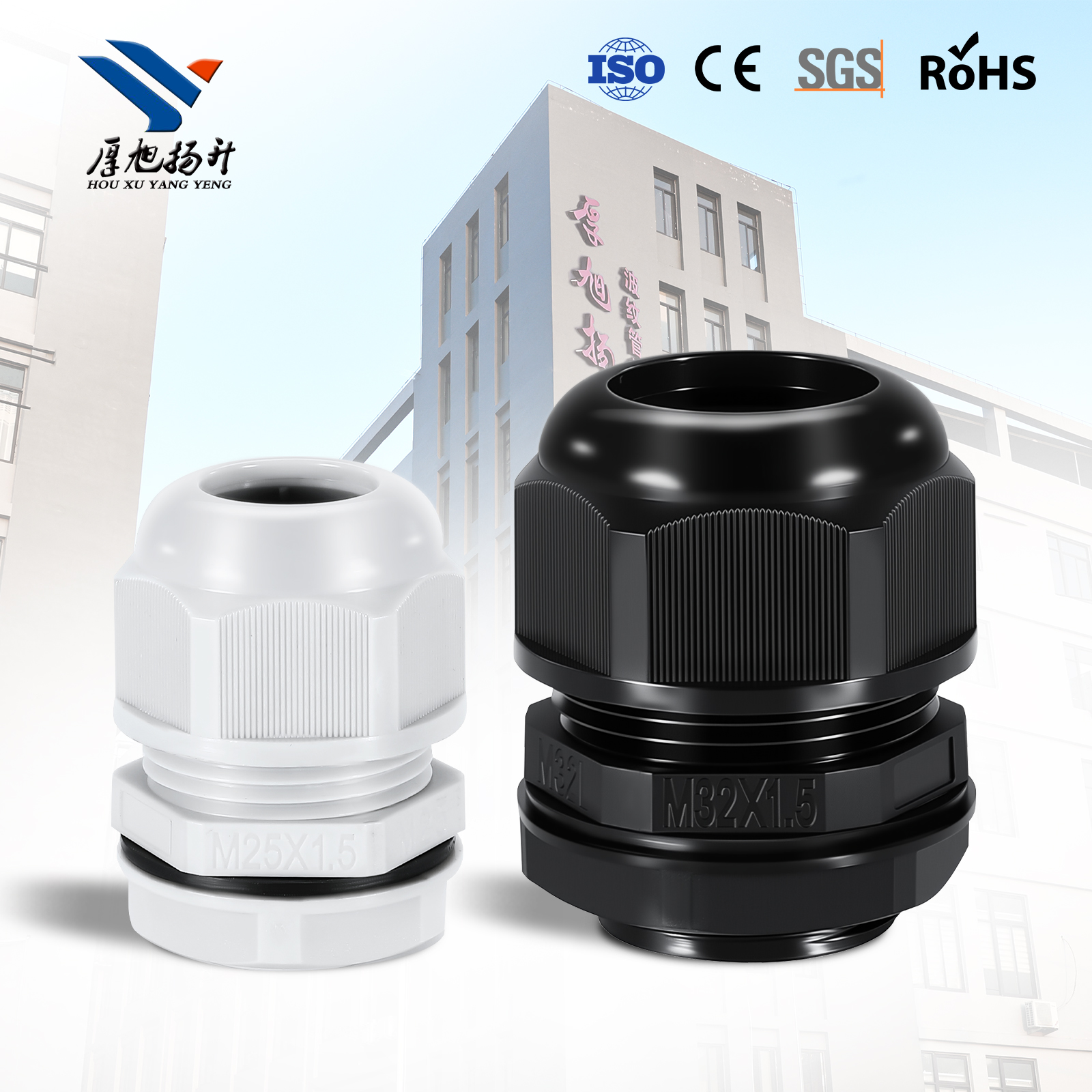
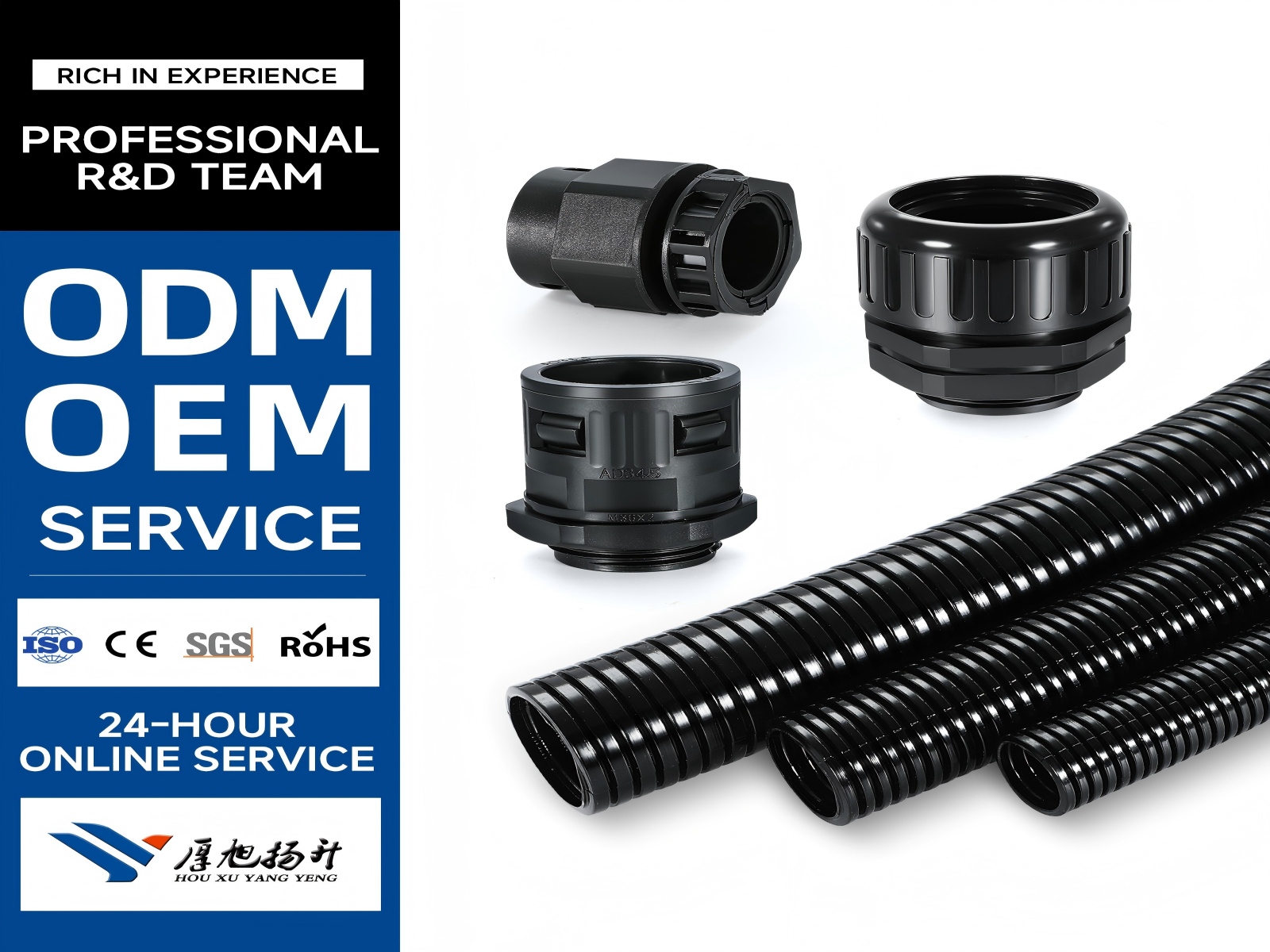
Compression conduit connectors use a threaded body and a compression nut that, when tightened, deforms an internal sealing element to grip and seal against the conduit's outer surface. They are common in outdoor and industrial environments where a watertight seal is required. The sealing performance depends heavily on matching the compression range to the actual conduit outer diameter — a compression connector sized for one nominal pipe diameter will not seal correctly on a noticeably smaller or larger conduit.
Snap-Fit and Push-Fit Connectors
Snap-fit conduit connectors engage with the corrugations of a flexible conduit via an internal locking ring or bayonet mechanism. A quarter-turn or push action locks the pipe in place, and the connector can typically be disassembled for cable additions later. These are popular in panel wiring and building management applications where future access to the conduit run is a maintenance requirement. They tend to be faster to install than threaded compression types, though they may offer less pull-out resistance under sustained mechanical load.
Threaded Locknuts and Screw-Type Connectors
Some conduit connectors use a two-part design: a connector body that passes through the enclosure wall and a locknut that tightens from the inside to clamp the connector against the panel wall. This design is standard for metric-thread and PG-thread applications and provides a secure, tamper-resistant installation. In panels with access restrictions on the interior, a single-piece design that tightens from the outside can actually be easier to install — and that factor drives product choice more than many specifiers expect.
Types by Material
Most buyers start by picking a conduit connector based on the catalog they have in front of them. The ones who avoid problems start by identifying the environment the connector will live in — chemical exposure, temperature range, UV intensity — and then let those drive the material selection.
Polyamide (Nylon/PA) Connectors
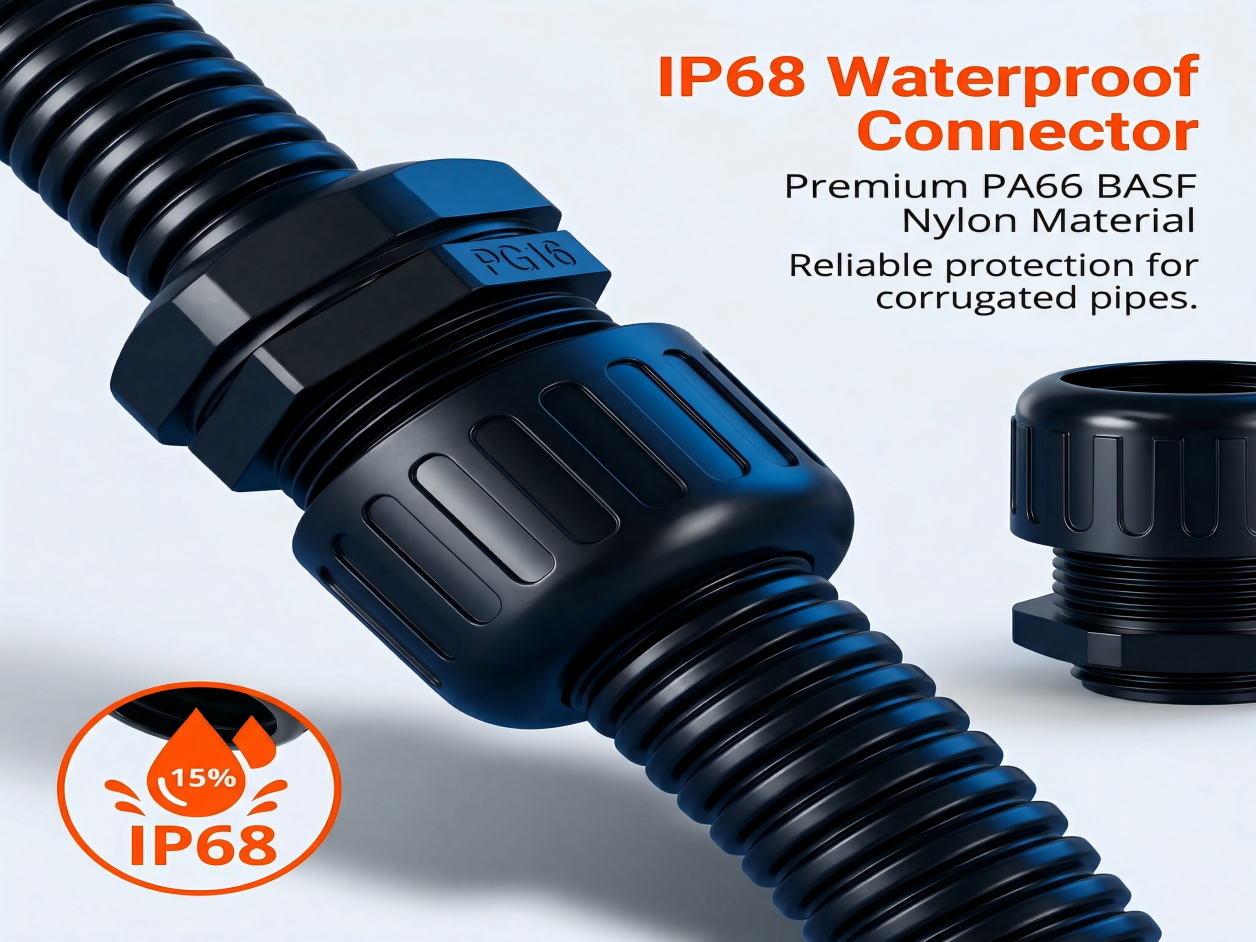
Polyamide conduit connectors are the standard choice for most industrial and commercial installations. PA6 is the most common and cost-effective grade, rated typically for -25°C to +90°C, and adequate for most dry and protected indoor and outdoor environments. PA12 offers better chemical resistance and lower moisture absorption, making it the preferred choice for installations exposed to hydraulic fluids, fuel, or persistent wet conditions. Both grades are available in IP66 and IP67 rated versions. When the installation involves contact with strong solvents or acids, check the chemical resistance of the specific polyamide grade — not all PA compounds behave identically under chemical exposure.
Metal Conduit Connectors
Metal conduit connectors — typically zinc alloy, nickel-plated brass, or stainless steel — are specified where mechanical strength, EMC shielding continuity, or corrosion resistance beyond nylon is required. Stainless steel versions are the appropriate choice for coastal, marine, and food processing environments where standard zinc or nickel-plated options show corrosion within 12–18 months of outdoor installation. Metal-on-metal contact in high-vibration environments can sometimes loosen faster than a polymer-to-metal interface, since nylon bodies carry an inherent damping effect that metal lacks. This is a counterintuitive point worth keeping in mind when specifying for pump stations and motor control panels.
Types by IP Protection Level
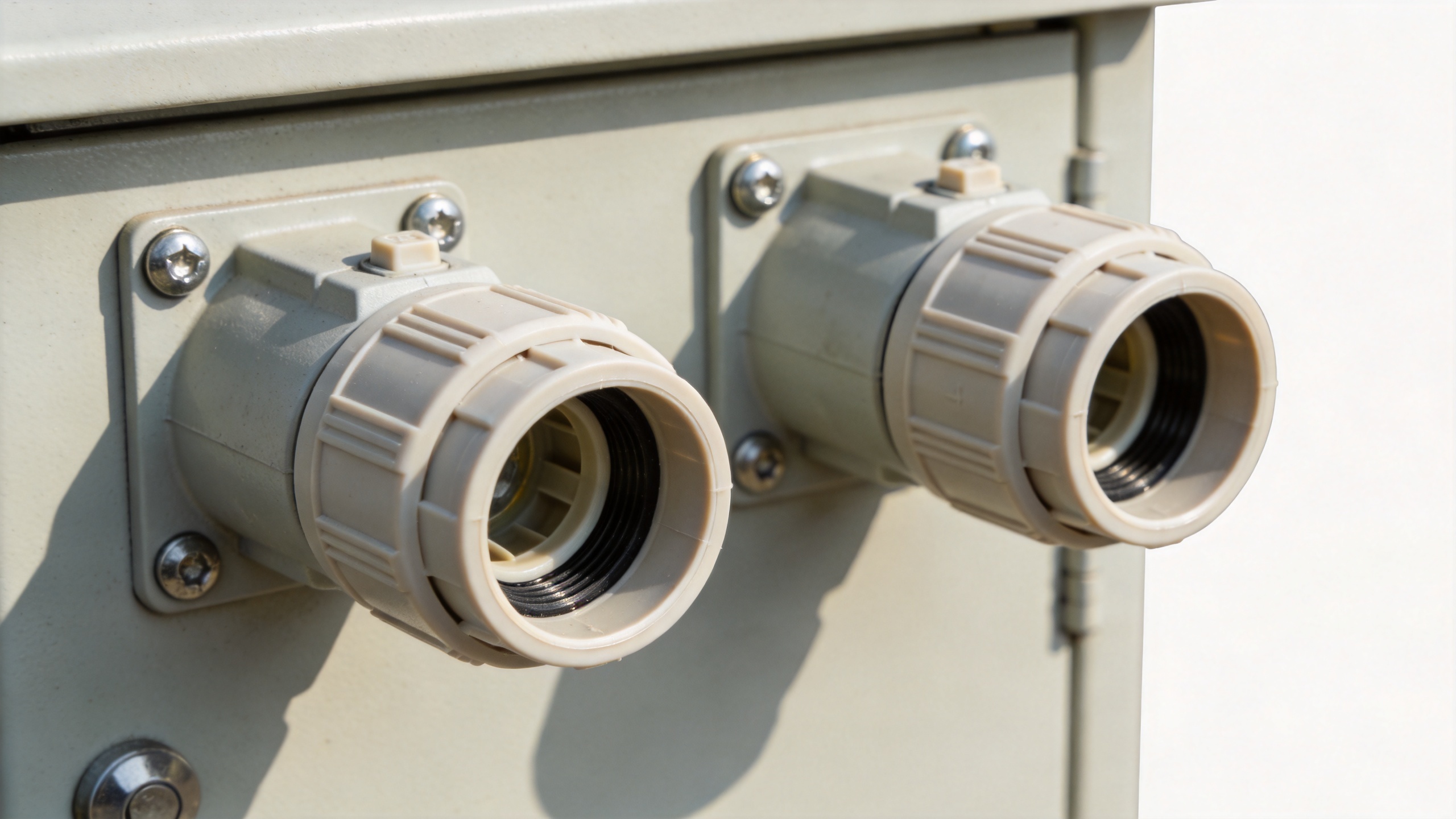
IP rating is the most cited selection threshold for conduit connectors in enclosed panel applications. IP ratings are defined under IEC 60529 and consist of two digits — the first covering solid particle ingress, the second covering liquid ingress.
- IP54: Dust-protected and splash-resistant. Suitable for most indoor industrial environments with incidental water contact.
- IP66: Dust-tight and protected against powerful water jets. Common in outdoor panels, wash-down areas, and weather-exposed installations.
- IP67: Dust-tight and protected against temporary immersion up to 1 metre. Specified for installations near standing water or in areas subject to flooding.
- IP68: Dust-tight and rated for continuous submersion at a defined depth and duration. Required for underground cable entry points and below-grade enclosures.
A common error when sourcing conduit connectors for outdoor panels is assuming that any waterproof-labeled connector achieves the same level of protection. For a rooftop distribution panel in a temperate climate, IP66 is typically adequate. Specifying IP68 for that application adds cost without a meaningful benefit for the actual risk — pooling water is not the hazard. The question to ask is not which rating is higher, but which rating matches the realistic worst-case exposure at the specific installation point.
Types by Thread Standard
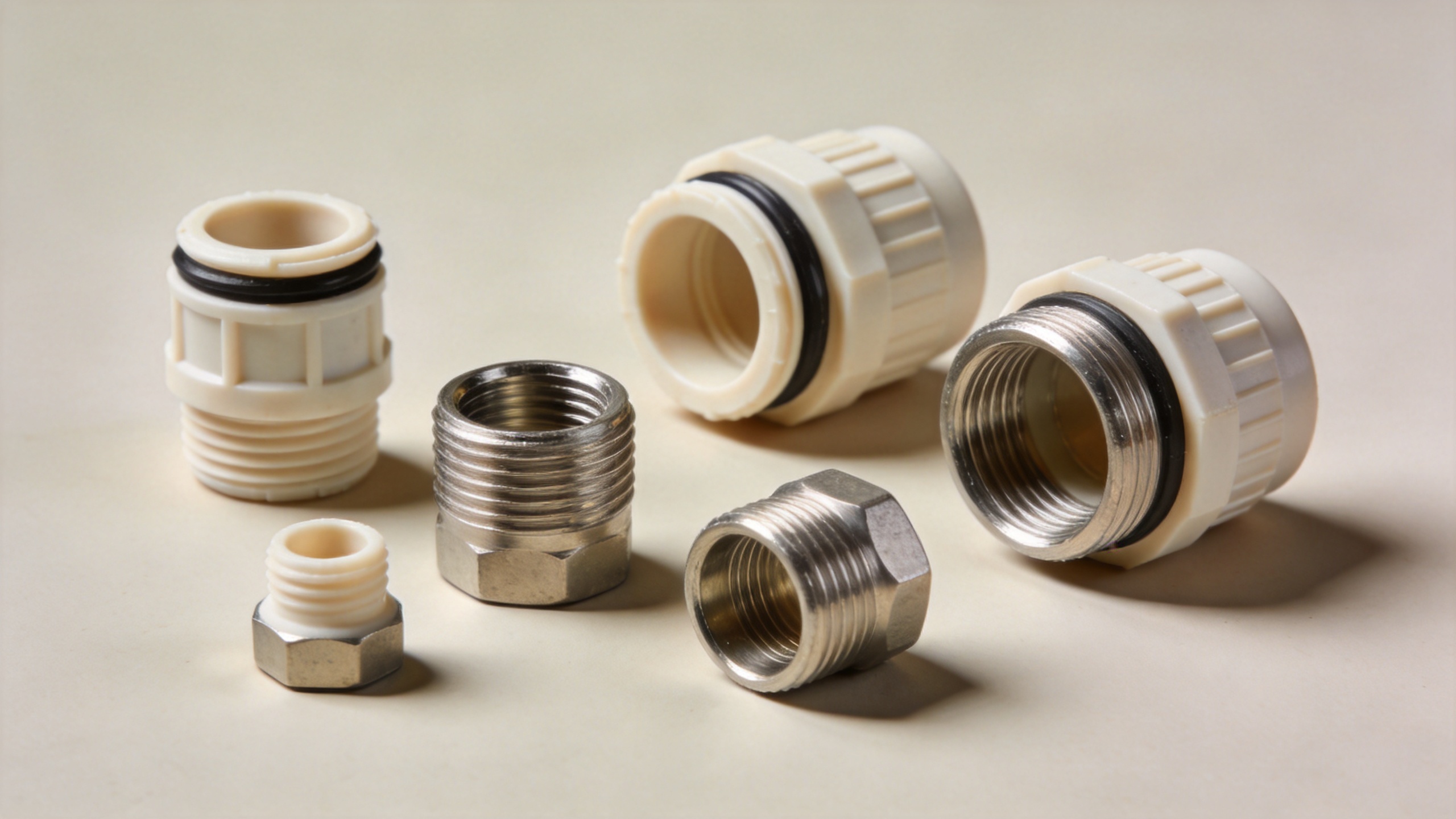
Thread standard compatibility is a factor that often gets overlooked until installation day, at which point it becomes the only thing that matters. When sourcing conduit connectors for projects involving equipment from multiple regional markets, defaulting to metric sizing is an easy habit to fall into. If the end-user's enclosures follow NPT thread standards instead, thread incompatibility is the first complaint you hear about after delivery.
The three most common thread standard families in conduit connector procurement are:
- PG thread (Panzergewinde): A German/European standard historically common in industrial and switchgear enclosures. PG sizes (PG7, PG9, PG11, PG13.5, PG16, PG21, PG29, PG36, PG42, PG48) do not correspond directly to metric M-thread dimensions.
- Metric M-thread: The current IEC-preferred standard for new European enclosure designs, with knockouts specified in metric thread pitch and diameter (M16, M20, M25, M32, M40, M50, M63).
- NPT (National Pipe Taper): The North American standard, used in enclosures and equipment manufactured for US and Canadian markets. NPT sizes are specified in inches and are not interchangeable with metric thread types without adapter bushings.
For international procurement — particularly when a single supplier must serve multiple regional markets — selecting a conduit connector supplier whose range covers all three thread standard families from the same product line simplifies the BOM and avoids separate sourcing relationships per market.
Types by Conduit Form Factor
Beyond the classification above, conduit connectors are also available in straight, 90-degree elbow, and 45-degree elbow configurations within each product family. Straight connectors are the default for most installations. Angle connectors become necessary when the conduit route cannot approach the enclosure perpendicularly — for example, in bottom-entry or side-entry panel configurations with restricted clearance below the enclosure. Selecting an angle connector where a straight one would have required a tight bend in the conduit pipe prevents the pipe from being pushed past its minimum bend radius, which would cause kinking and potential cable pull-through failure at that point.
Selecting the Right Conduit Connector
The practical checklist before selecting a conduit connector type covers four questions: What conduit form and nominal size is being used? What thread standard does the enclosure knockout use? What environmental exposure will the connector face — temperature range, chemical contact, UV, and liquid ingress severity? And is future access to the conduit run required? Answering these four questions in order eliminates most of the selection uncertainty before you get to the catalog.
Suppliers who carry conduit connectors and the matching corrugated pipe as a confirmed compatible system simplify this process further — you are not relying on dimensional inference across separate supplier catalogs when verifying that the connector's pipe engagement bore matches the pipe's outer diameter at each nominal size.