
 EN
EN


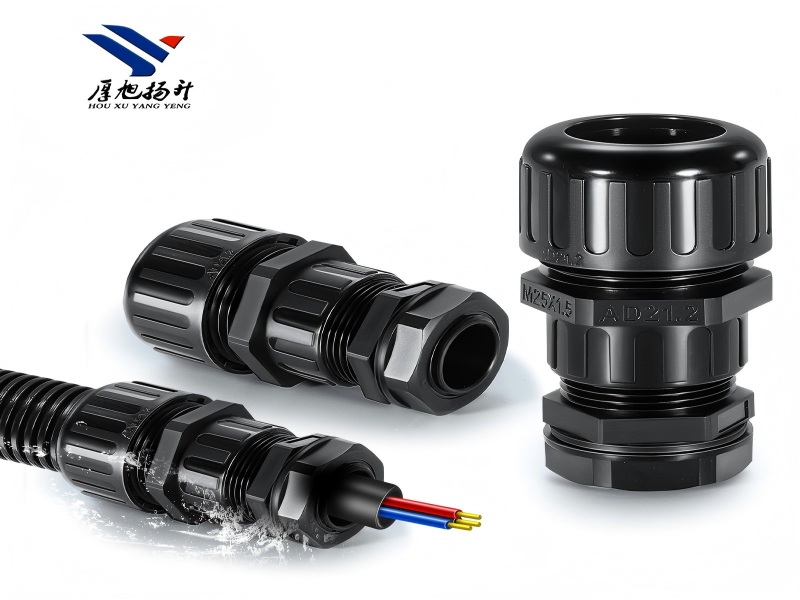
How to Match Conduit Connector with Conduit?
As an electrical installation engineer who works with conduit systems across industrial panel builds and outdoor enclosure projects, one of the most preventable problems I see is a conduit connector that doesn't properly match the conduit it's supposed to secure. The connection looks seated. It tightens. But it either doesn't grip the corrugated pipe under pull force, or the IP seal fails at the connector body after six months in a wet environment. The fix is almost entirely preventable — if you match the right variables before ordering.
This guide lays out a structured approach for matching a conduit connector to corrugated flexible conduit. If your installation environment is standard indoor industrial, a basic nominal size match is usually enough. If you're dealing with outdoor panels, vibration-prone enclosures, or multi-region project supply, the variables below deserve closer attention before you finalize the spec.
The Four Variables That Determine a Correct Match
Before asking which conduit connector model to order, ask yourself four questions about your installation:
- What is the nominal pipe size?
- What thread standard does your enclosure use?
- What IP rating does the completed conduit entry need to achieve?
- What is the installation environment: temperature range, chemical exposure, UV exposure?
Each variable drives a different selection axis, and a mismatch in any one creates a connector that may look correctly seated but fails in service.
Variable 1: Nominal Pipe Size
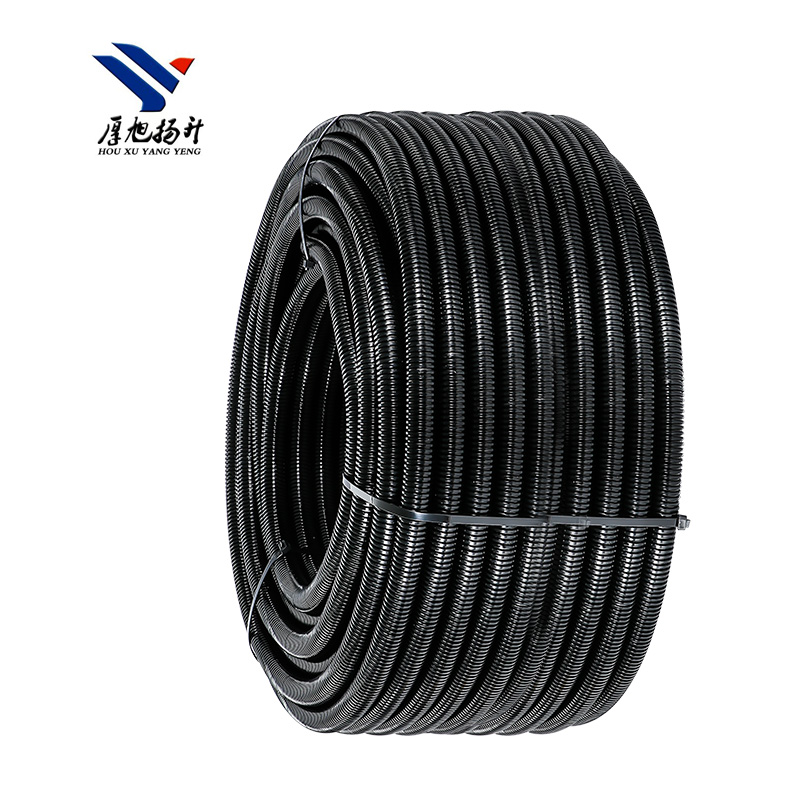
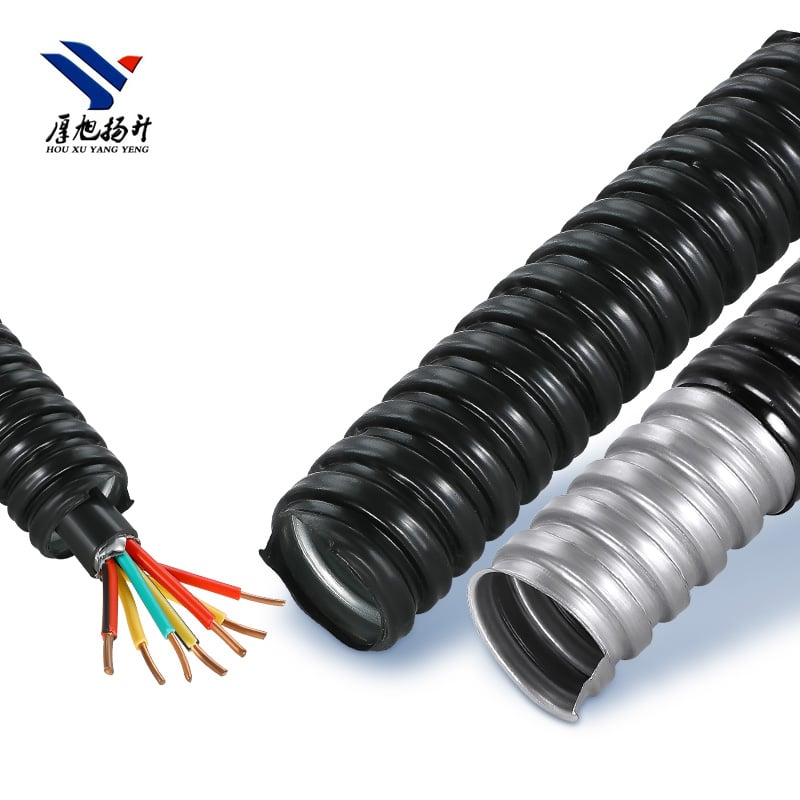
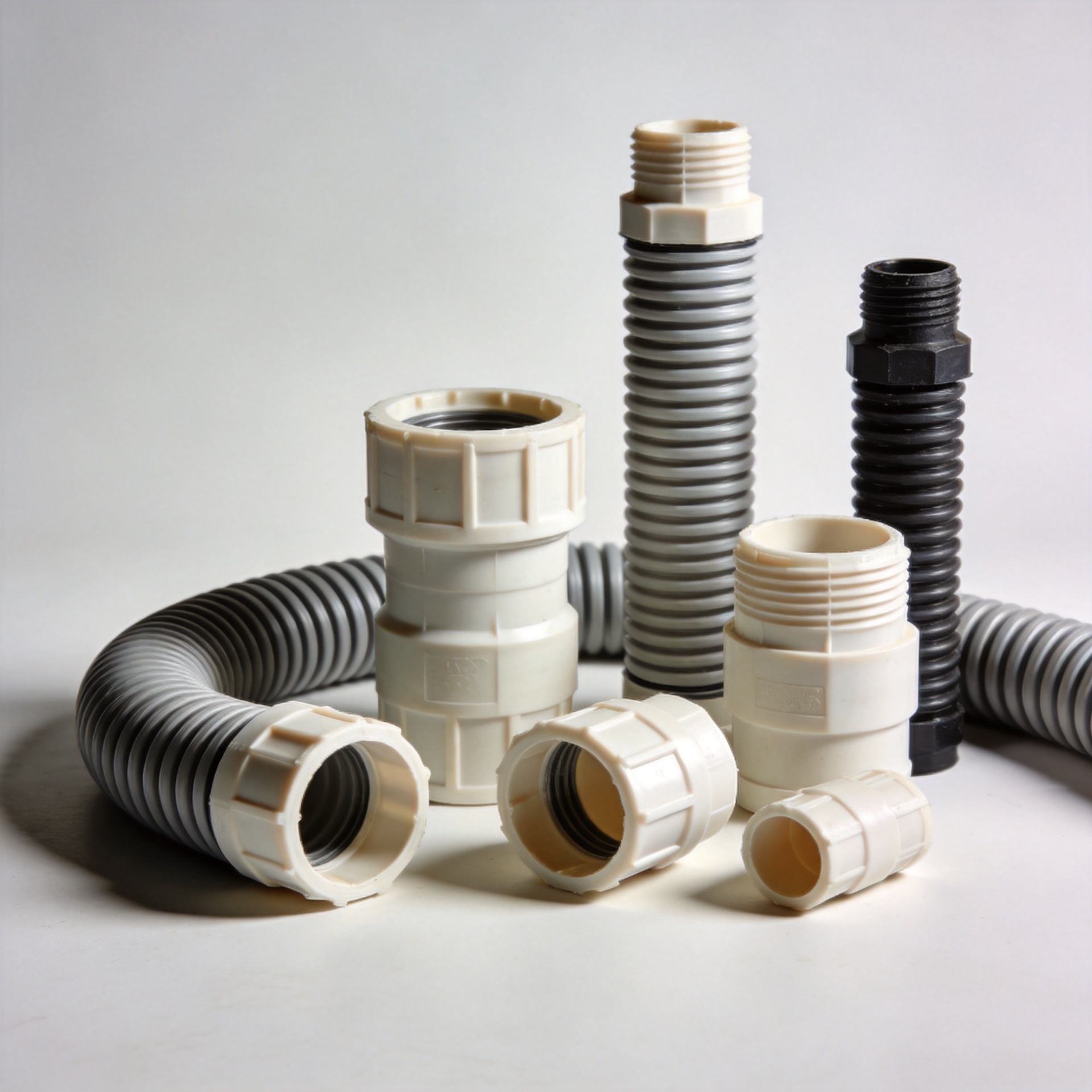
Starting with nominal size: the conduit connector body must match the corrugated pipe's nominal diameter. Standard corrugated pipe runs from 16mm to 63mm nominal, and each size has a corresponding conduit connector designed to grip the outer corrugation profile.
The critical number here is the pipe's outer diameter, not its inner bore. A common error is ordering a connector based on the cable fill requirement — the inner bore — instead of the pipe OD. On a corrugated pipe system, the connector grips the outer corrugated profile; a size mismatch means the grip ring doesn't engage the corrugation valleys, and the pipe can be pulled out under moderate force.
The practical rule of thumb: leave at least one nominal size of clearance between your maximum cable fill and the pipe inner bore, and verify the conduit connector against the pipe OD specification, not just the nominal trade size label.
Variable 2: Thread Standard
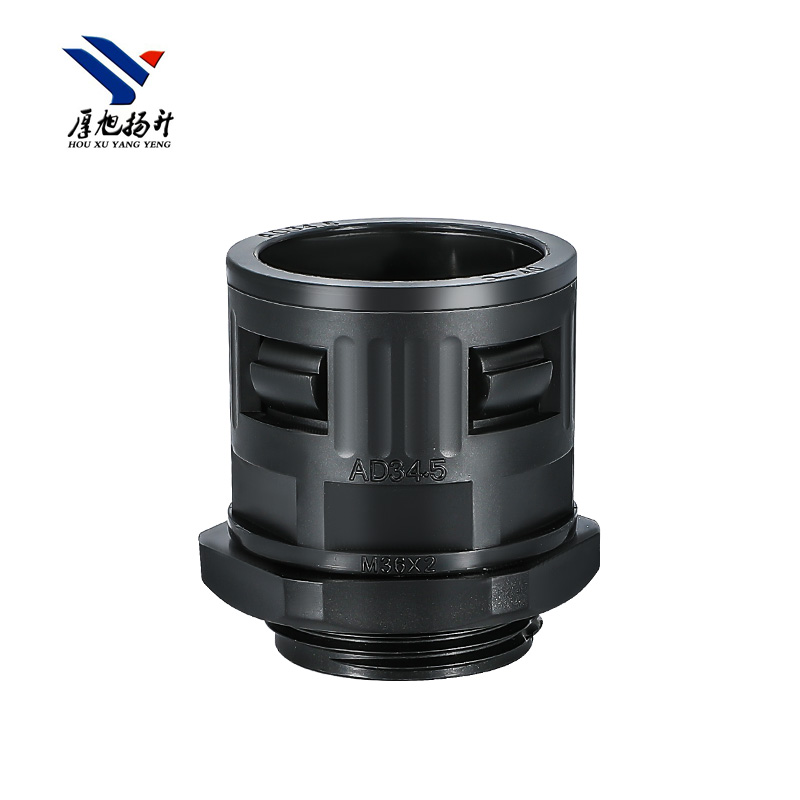
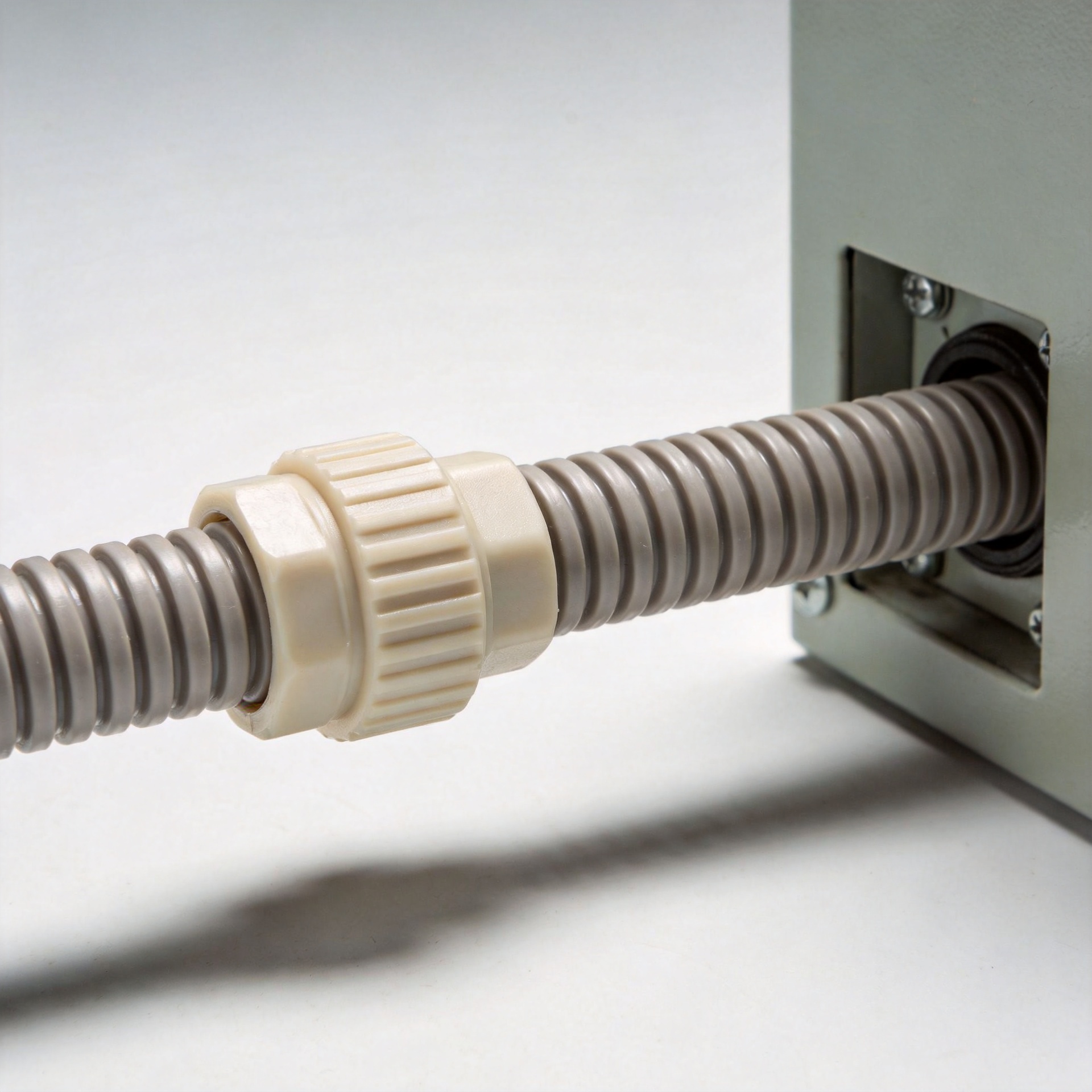
Conduit connectors connect the corrugated pipe to an enclosure knockout or panel entry hole. The thread that engages the enclosure wall is where regional incompatibility creates expensive problems.
Three thread standards dominate the global market:
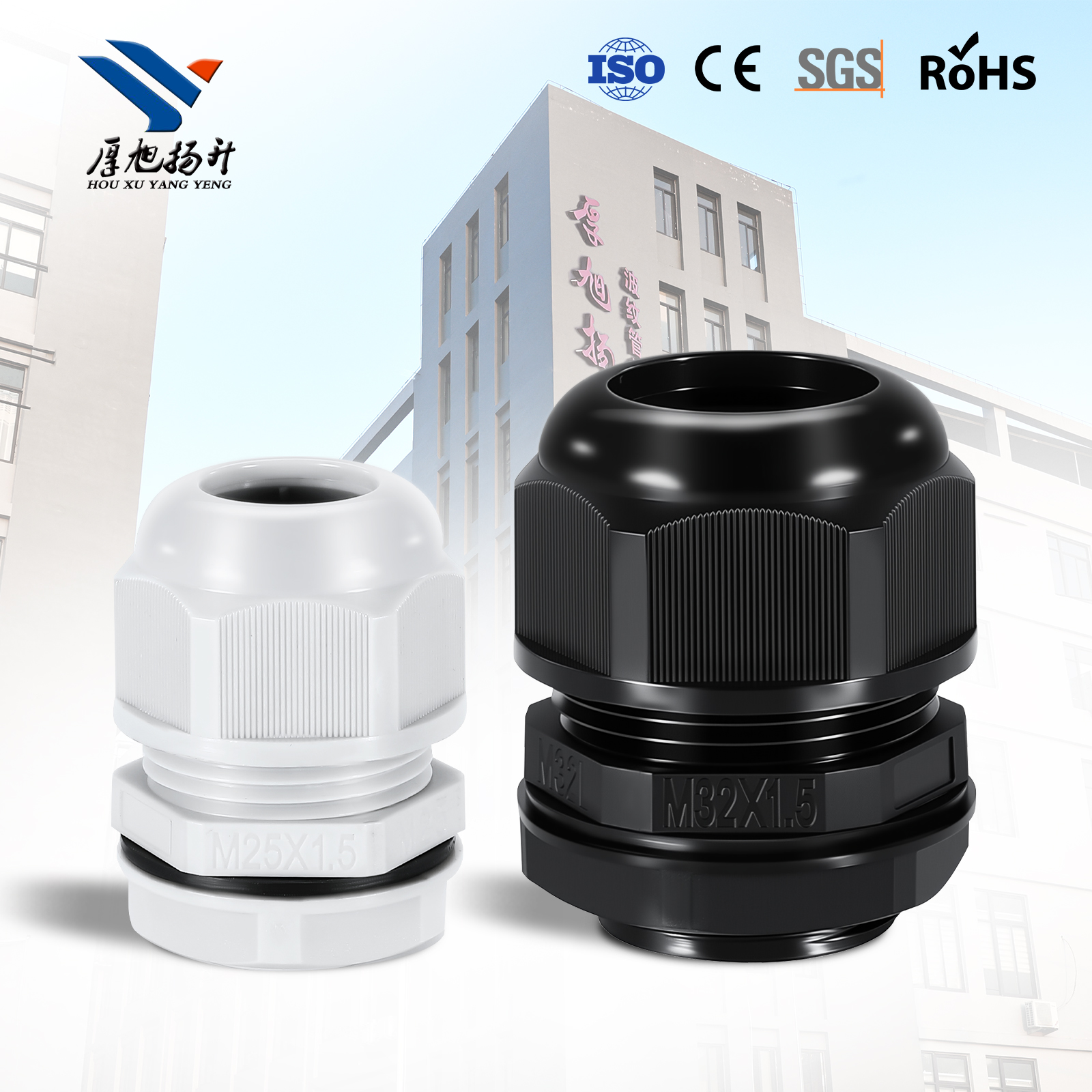
- Metric M-thread (M16, M20, M25, M32, M40, M50, M63): standard across most European and Asian industrial equipment
- PG thread (PG9, PG11, PG13.5, PG16, PG21, PG29, PG36): older German standard, still common on legacy European equipment
- NPT thread (1/2", 3/4", 1", 1-1/4", 1-1/2", 2"): North American standard
These standards are not interchangeable. When sourcing conduit connectors for projects in North America, it is easy to default to metric thread sizes based on procurement history. If the end-user's enclosures follow NPT standards, thread incompatibility becomes the first complaint after delivery — and the fix requires replacement connectors, not rework.
Before specifying a conduit connector for an international or export project, confirm which thread standard the target enclosure uses. If the project crosses multiple regional markets, a supplier offering all three thread families within the same product line simplifies procurement and reduces stocking complexity.
Variable 3: IP Rating of the Conduit Entry
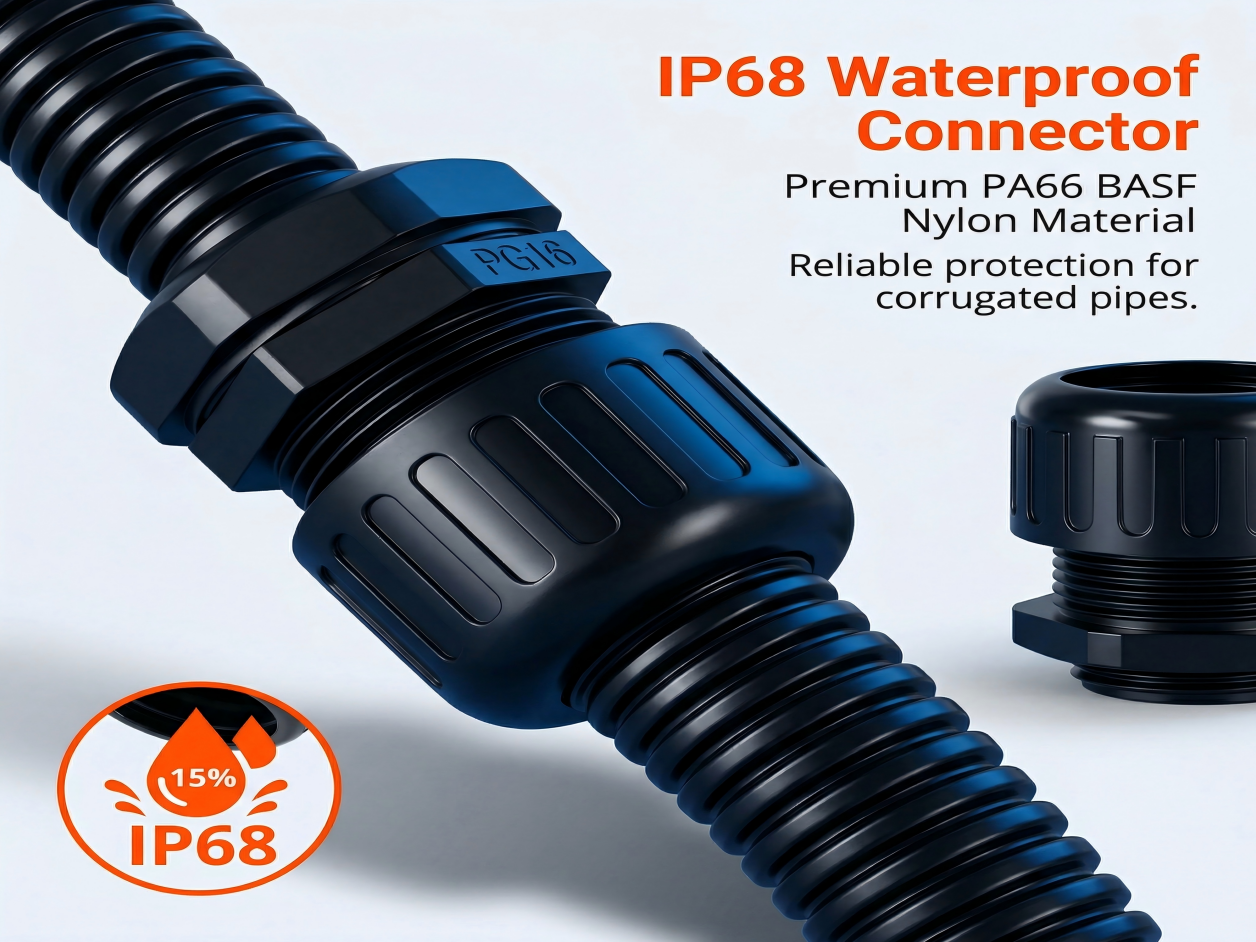
The IP rating of a conduit system is a system-level property, not an individual product property. A corrugated pipe alone carries no IP rating — the conduit connector at each enclosure entry is what determines the IP classification of that entry point. This also means conduit systems should not be mixed across different manufacturers: a connector from one product family tested to IP67 does not maintain that rating when combined with pipe from a different system that was not tested as a matched assembly.
There's no universal answer for IP level — the right choice depends on your actual exposure conditions and what the project specification requires:
| IP Level | Protection Scope | Typical Application |
|---|---|---|
| IP65 | Dust-tight; protected against low-pressure water jets from any direction | Indoor panels with hose-down cleaning; light splash environments |
| IP66 | Dust-tight; protected against strong water jets from any direction | Outdoor industrial panels; washdown areas |
| IP67 | Dust-tight; protected against temporary immersion up to 1 meter | Panels in wet process zones; floor-level enclosures in wet areas |
| IP68 | Dust-tight; protected against continuous immersion beyond 1 meter | Submersible equipment; underground enclosures with water ingress risk |
For most industrial machinery panel applications, IP54 is a practical minimum. IP66 or IP67 is recommended for enclosures where cutting fluid, coolant, or hose-down cleaning is possible.
Variable 4: Material and Environment
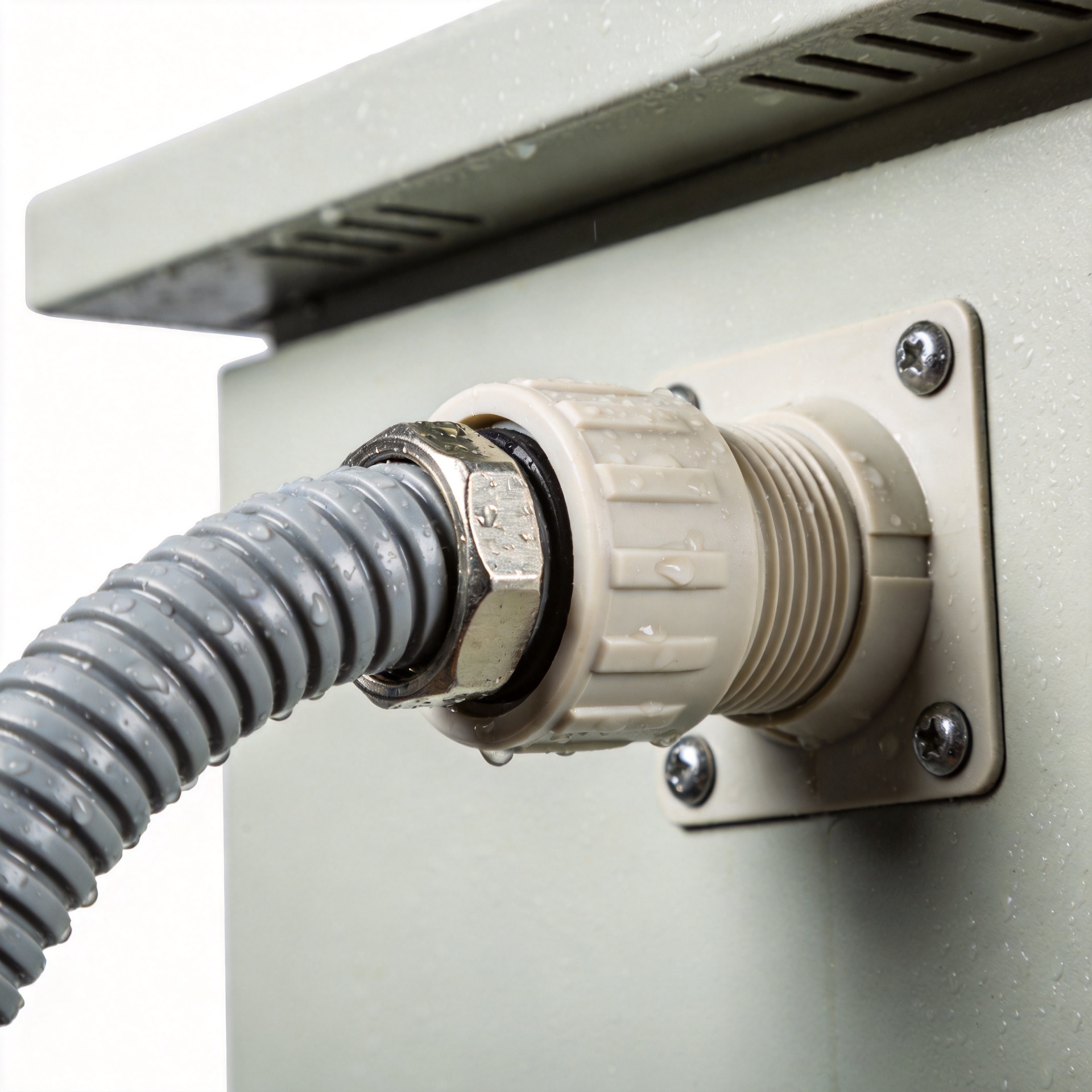
Conduit connectors are typically available in polyamide (PA/nylon) and metal variants. The correct material depends on three environmental factors: temperature range, chemical exposure, and UV intensity.
- Standard PA/nylon: suitable for general industrial indoor use, typically rated to -20°C / +100°C. Cost-effective for most panel wiring applications.
- High-temperature PA variants: suitable for cable routing near process heat, boiler rooms, or HVAC plant; check the continuous temperature rating against the actual installation zone.
- Nickel-plated brass: better corrosion resistance than standard zinc alloy; suitable for light industrial outdoor panels and moderate chemical exposure.
- Stainless steel: for marine environments, food processing wash-down areas, and aggressive chemical exposure where polymer connectors degrade.
In high-vibration environments — motor control panels, pump station enclosures — one factor that often gets underweighted is locknut retention under vibration. After reviewing a series of loose conduit connectors on a pump station panel, the issue traced back to the locknut material: plastic under sustained vibration had gradually lost torque retention, which wasn't flagged during initial commissioning inspection. Conduit connectors with tool-engagement flats on both body and locknut allow proper torque application during installation and reduce the risk of under-tightened fittings that loosen over time.
Quick Reference: Matching Matrix
| Match Variable | What to Check | Common Error to Avoid |
|---|---|---|
| Nominal size | Pipe outer diameter, not inner bore or cable fill size | Ordering by cable fill requirement instead of pipe OD |
| Thread standard | Enclosure knockout thread type: M-thread, PG, or NPT | Defaulting to metric when enclosure uses NPT (North American projects) |
| IP rating | Project IP requirement and actual water/dust exposure class | Over-specifying IP68 for indoor panels; or under-specifying IP65 for wet zones |
| Material | Temperature range, chemical presence, vibration, UV exposure | Using standard PA in marine or high-chemical environments |
Verifying the Match Before Ordering
More thread turns on a conduit connector do not automatically give you better water resistance. The seal depends on the O-ring or compression element at the enclosure face, not thread engagement depth alone — which is why a connector with a worn or missing sealing element will leak regardless of how many turns you apply. When comparing conduit connectors for wet environments, check the sealing element specification, not just the thread engagement length.
Before committing to a production order on a new conduit connector specification, run three checks:
- Dimensional verification: Confirm the connector body matches the pipe OD and the locknut fits the enclosure wall thickness, not just the knockout diameter.
- Thread gauge confirmation: On mixed-standard projects, physically gauge the enclosure knockout before ordering — visual similarity between PG and M-thread or between metric and NPT can lead to receiving technically incorrect connectors.
- System IP verification: If the IP rating is a project specification requirement, request IP test evidence for the connector as part of a conduit system, not just the connector body in isolation.
A supplier offering conduit connectors and corrugated pipe from a confirmed matched system — dimensionally tested as compatible fittings — reduces the risk of fitment failure that only shows up at installation. For multi-region projects requiring multiple thread standard families, sourcing from a single manufacturer that covers metric M-thread, PG, and NPT in the same catalog simplifies both procurement and documentation.
Conclusion
Matching a conduit connector to conduit is not complicated, but it involves more than matching the nominal size label. Getting the thread standard right for your target market, confirming the IP rating as a system property, and checking material suitability for the installation environment — these steps prevent fitting failures that show up months after commissioning.
If you are specifying for a project crossing regional markets or requiring IP compliance documentation, work with a supplier who can confirm the connector-to-pipe system compatibility, provide IP test evidence, and offer the thread standard range your project requires from a single source.