 EN
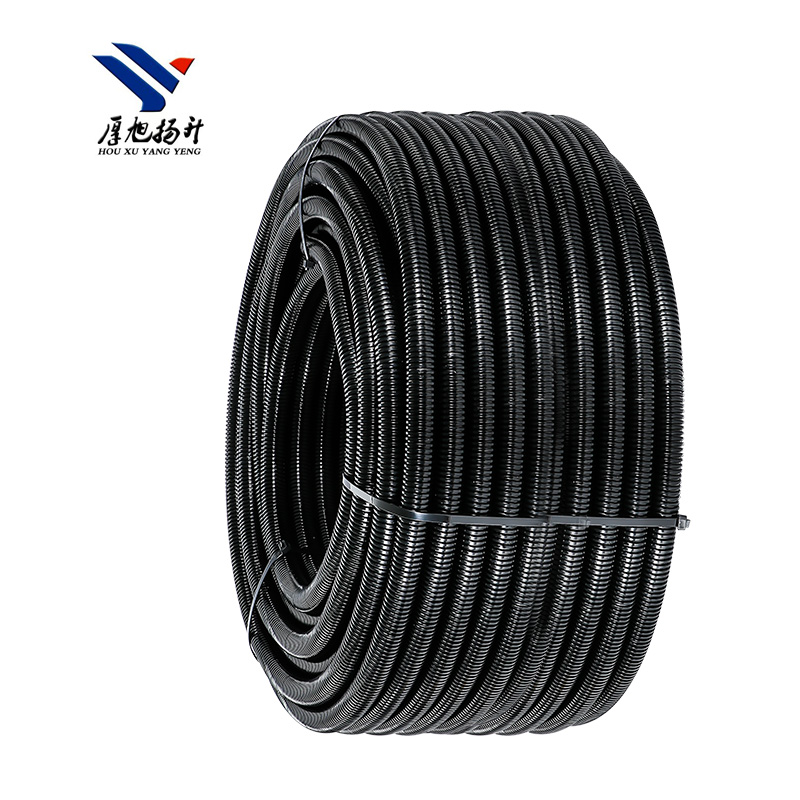
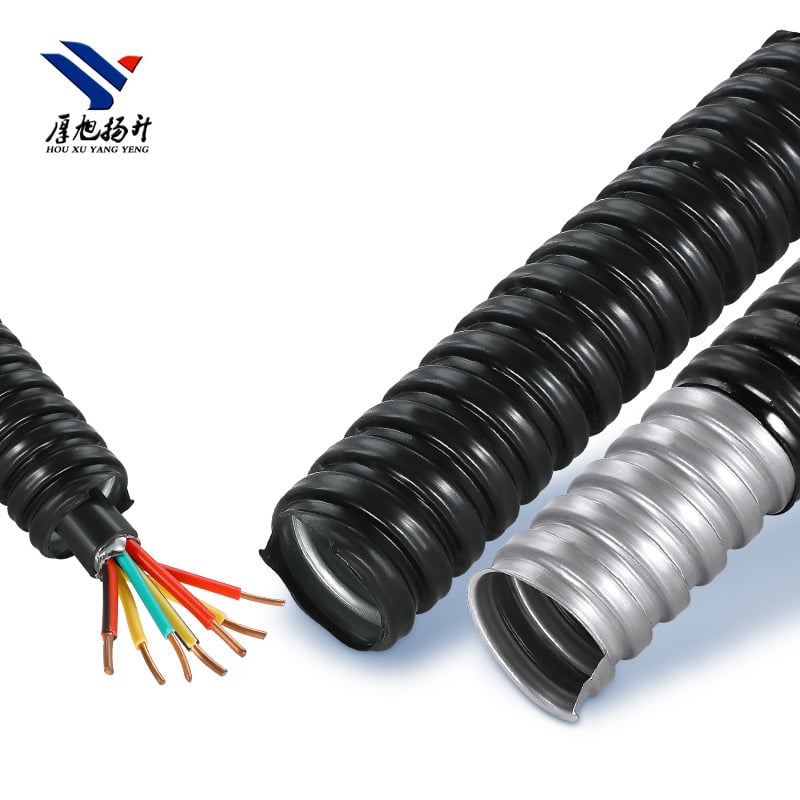
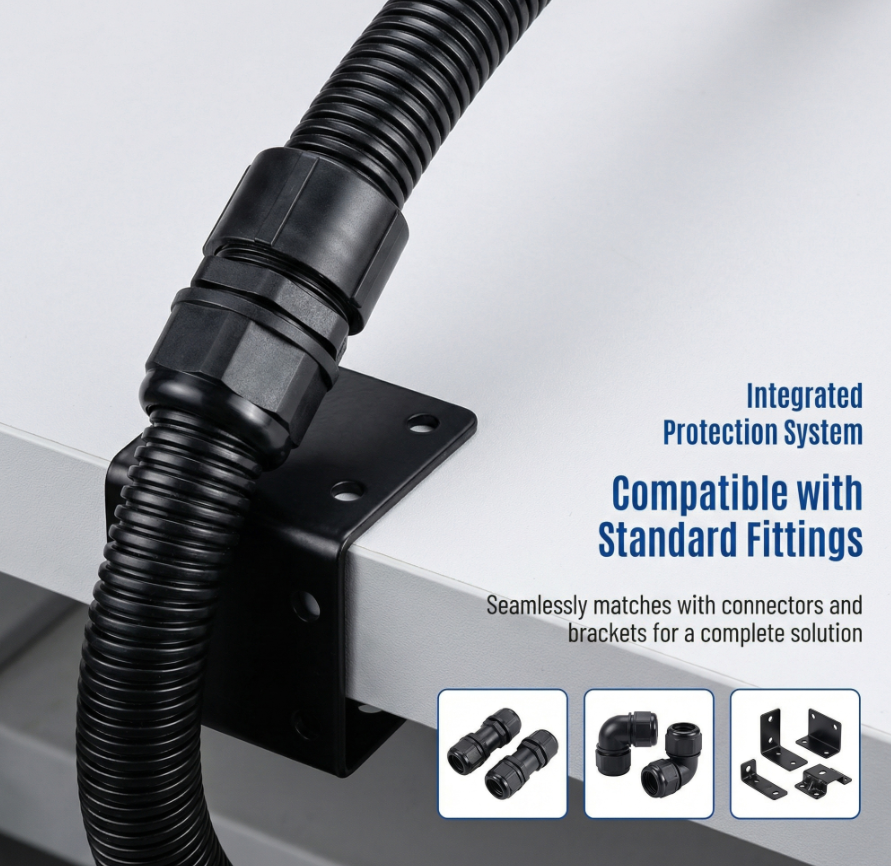
Specifying a flexible conduit looks simple until a panel fails in the field. Procurement engineers face dozens of polymer grades, temperature limits, and sealing classes, and a wrong pick shows up months later as a cracked jacket or a waterlogged enclosure. A clear selection process turns that guesswork into a repeatable checklist. This guide walks through the variables that actually decide performance, so the next order matches the job instead of the catalogue cover. Getting the early decision right also protects the maintenance budget and the integrator's reputation.
Read the Installation Environment First
Temperature Range Defines the Material Baseline
The first filter for any flexible conduit is the temperature rating it must survive. A polymer that stays flexible at minus forty degrees behaves nothing like one that softens past eighty. PA66 and nylon grades hold a working window near minus forty to one hundred twenty-five degrees Celsius, which covers most machinery cabinets and outdoor runs. Read the worst-case numbers on the panel, not the average, because that is where failures start. Thermal cycling ages a tube faster than steady heat, so check both continuous and short-term ratings and leave margin for trapped enclosure warmth.
Chemical Exposure Narrows the Polymer Choice
Chemical resistance comes next, and it is where many selections go wrong. Hydraulic oil, coolant, and cleaning agents attack different polymers in different ways. Polypropylene and polyethylene shrug off many acids and bases, while PA6 and PA66 resist abrasion and oils better. Map the liquids the cable run will meet, then match the polymer. A flexible conduit that resists one chemical but swells in another is no protection at all. Concentration and fluid temperature shift the result, so confirm the polymer survives the warm mixture, not just a room-temperature chart.
Pick the Conduit Material by Duty
PA66 and Nylon for Harsh, Loaded Runs
For heavy-duty routes, PA66 and nylon lead the field. These polymers deliver high abrasion resistance and a flame-retardant profile that meets UL 94 at the V2 level, with UV resistance and UV-stable grades surviving eight-plus years outdoors. That combination suits exposed machine frames, solar supports, and washdown areas. Virgin BASF PA66 compounds keep the wall consistent, so the flexible conduit bends without thinning at the corrugation crown. This structural steadiness prevents the micro-cracks that let moisture creep toward the conductors.
PP, PE and PA6 for Standard Protection
When the route stays indoors and dry, polypropylene, polyethylene, and PA6 earn their place through value. They still give solid cable protection and easy routing, yet cost less than filled nylon. Use them for cable management inside cabinets or along benign conveyor runs. The trade-off is a narrower temperature window and weaker chemical resistance, so reserve these grades for gentle conditions where a flexible conduit faces little stress. Avoid them near hot exhaust, solvent wipe-downs, or direct sun, because the wall can soften or chalk under load.
Size the Mechanics for the Cable
Bend Radius Protects the Wire Harness
A tight bend radius is the quiet killer of cable life. The flexible conduit should allow the wire harness to curve without kinking, because a kink becomes a stress point that fatigues conductors. Size the corrugated conduit so its minimum bend radius clears the cable's own rating, and add strain relief at the entry. Good cable management here prevents the majority of field returns. For moving arms or cable tracks, treat the bend as dynamic: a radius that looks fine at rest can over-flex ten thousand cycles later.
Conduit Fittings Seal the Whole System
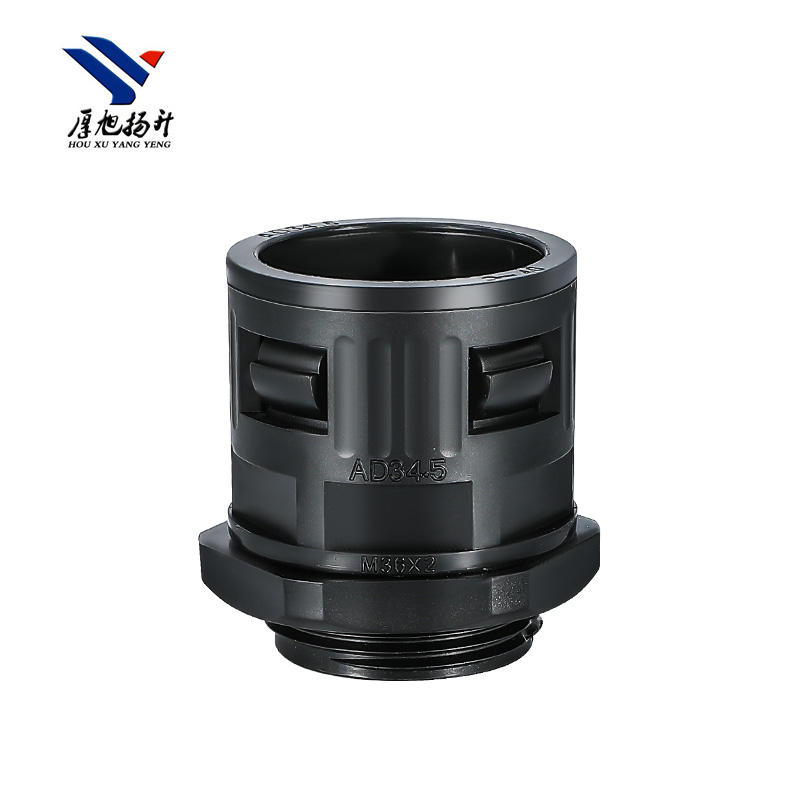
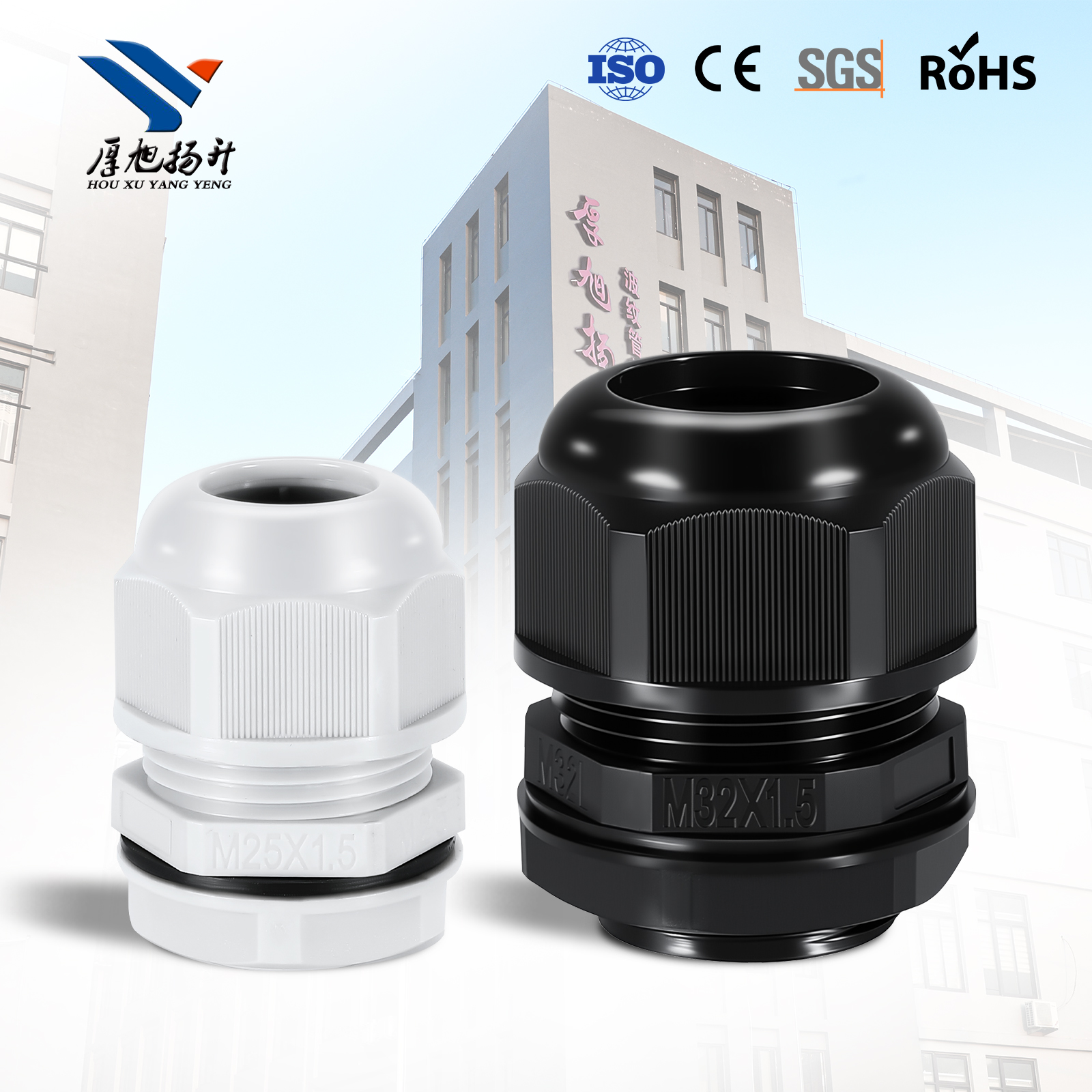
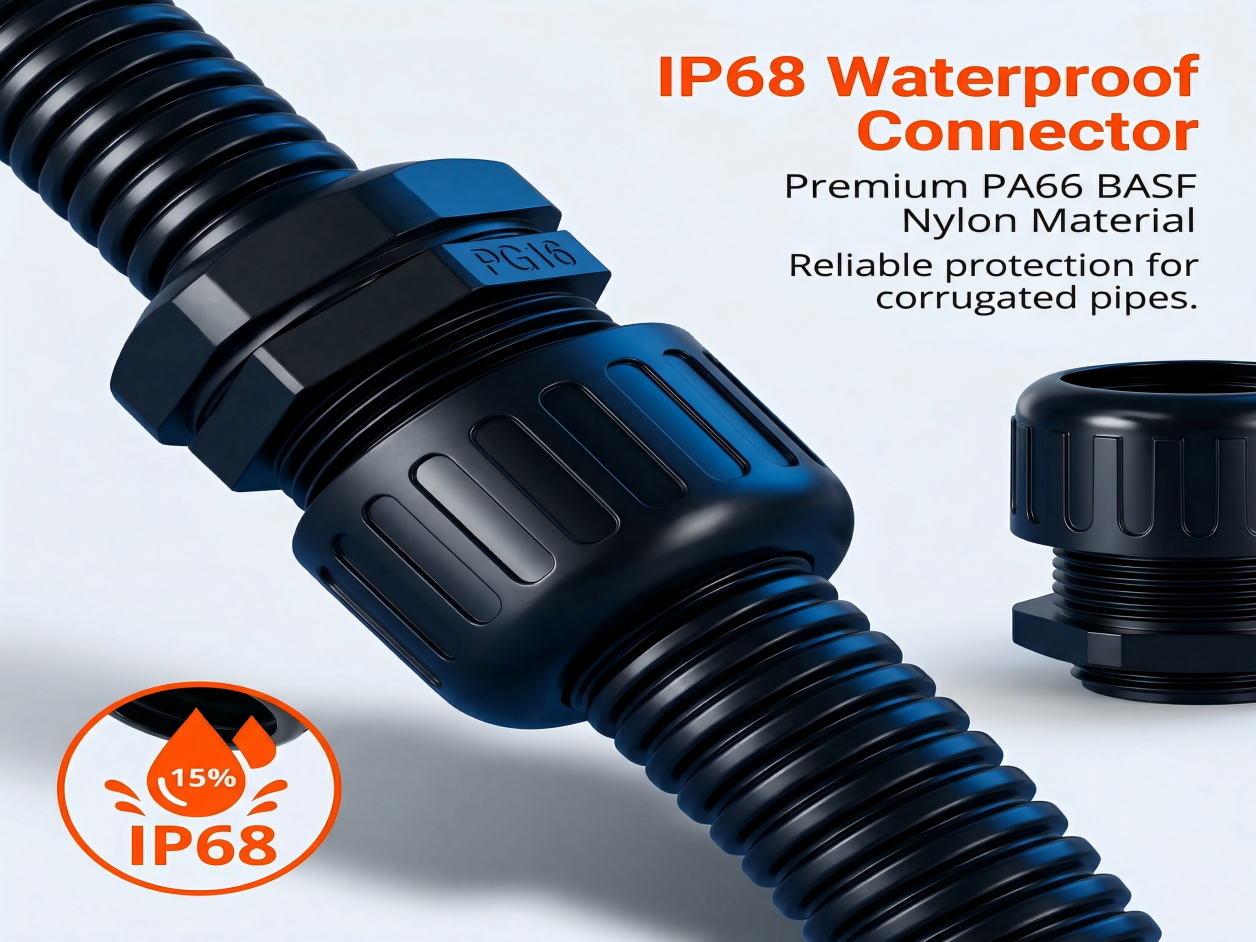
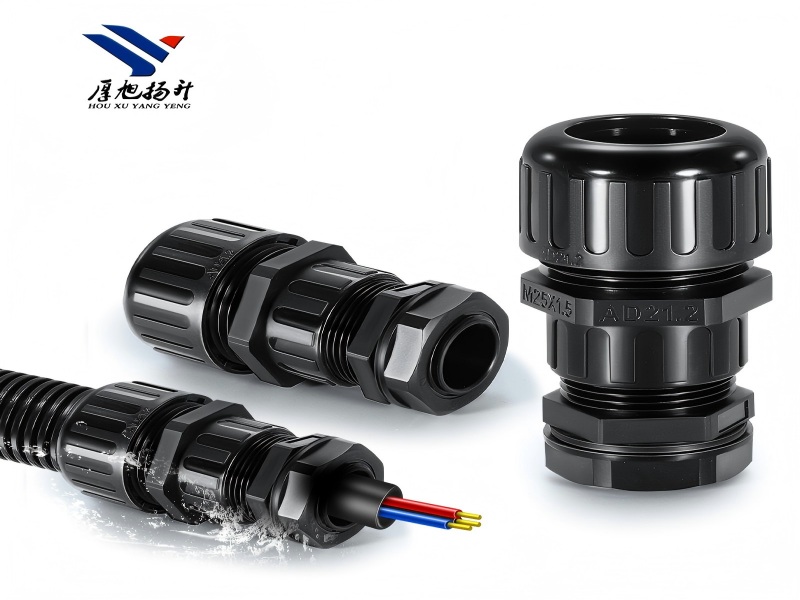
Even a perfect tube fails if the conduit fittings leak. The connector must lock the jacket and keep ingress protection intact at the entry point. Nylon quick connectors give tool-free assembly with IP67 sealing and multi-thread M, PG, and G options, while IP68 glands using EPDM seals reach IP68 and IP69 for high-pressure washdown. Pick threaded fittings that match the panel thread, then torque them so the liquidtight path holds. An under-tightened gland leaks; an over-tightened one cracks the seal ring. Inspect the EPDM for compression set at each service interval and replace fittings that have lost spring.
A Selection Walked Through
Background: A Panel Builder's Dilemma
A panel builder supplying food-grade lines faced a repeat issue: the flexible conduit on washdown frames cracked within two seasons. The original spec used a low-cost polyethylene tube rated only to seventy degrees, but daily steam cleaning pushed surfaces past that, and the cleaners attacked the polymer. Returns climbed and the integrator lost confidence in the build. The fault was invisible at acceptance, because the tube looked sound on the bench and only broke down after months of heat and caustic spray. By the time cracks appeared, the return window had closed and the builder absorbed the rework cost.
Outcome: Specifying the Right Build
The fix swapped the run to UV-stable PA66 conduit with an IP68 EPDM-sealed gland, matching the minus forty to one hundred range and resisting the cleaning agents. Nylon quick connectors sped assembly on site. Eighteen months later, no crack or leak had been reported, and the integrator standardized the spec across similar lines. A short selection review turned a recurring fault into a closed ticket. The same checklist now guides new quotes, so procurement compares polymer, temperature, and sealing up front instead of waiting for a failure report from the floor.
Summary
Choosing the right flexible conduit is a process, not a part number. Start from temperature and chemical reality, then match the polymer to the duty, size the bend radius for the cable, and seal the entry with the correct fittings. Standards such as IEC 61386 and the NEC give the framework, but the field conditions decide the winner. Run the checklist once and the next order will fit the job on the first try. Revisit the spec whenever the environment changes, because a route that was safe indoors rarely survives the same outside.
Frequently Asked Questions
Question
What temperature rating should a conduit have outdoors?
Answer: Outdoor routes need a polymer that stays stable across seasons. PA66 and UV-stable nylon hold roughly minus forty to one hundred twenty-five degrees Celsius and resist sun damage for eight-plus years. Read the local climate extremes, not the average, then add margin for direct sun on dark surfaces. A conduit that softens or cracks at the low or high end fails long before its catalogue life.
Question
Why does bend radius matter for cable life?
Answer: A tight bend forces the wire harness to kink, and that kink becomes a fatigue point where conductors break. The corrugated conduit should let the cable curve at a radius wider than its own minimum, with strain relief at the entry. Getting this right removes the most common cause of premature field failures and keeps the assembly flexible through its service life.
Question
How do conduit fittings keep water out?
Answer: Fittings lock the conduit jacket to the panel and preserve ingress protection at the entry. Nylon quick connectors offer tool-free IP67 sealing across M, PG, and G threads, while IP68 glands with EPDM seals reach IP68 and IP69 for high-pressure washdown. Match the threaded fitting to the panel opening, then tighten it so the liquidtight path stays unbroken. A sealed entry is what makes the whole run waterproof.
Question
Which material resists chemicals in washdown areas?
Answer: No single polymer wins every chemical, so the choice follows the liquid. Polypropylene and polyethylene resist many acids and alkalis, while PA66 and PA6 handle oils and abrasion well. Map the fluids in the area, check a resistance chart, and avoid a conduit that swells in the one solvent present. Matching the polymer to the actual exposure prevents slow wall breakdown.
Question
Can standard-grade conduit work indoors?
Answer: Yes, for dry indoor cabinet runs, standard polypropylene, polyethylene, or PA6 conduit gives enough cable protection at lower cost. These grades cover benign cable management inside enclosures where temperature and chemicals stay mild. Reserve PA66 and nylon for exposed or loaded routes. A flexible conduit selected to the actual duty, not the maximum spec, keeps the bill sensible without risking the installation.