 EN
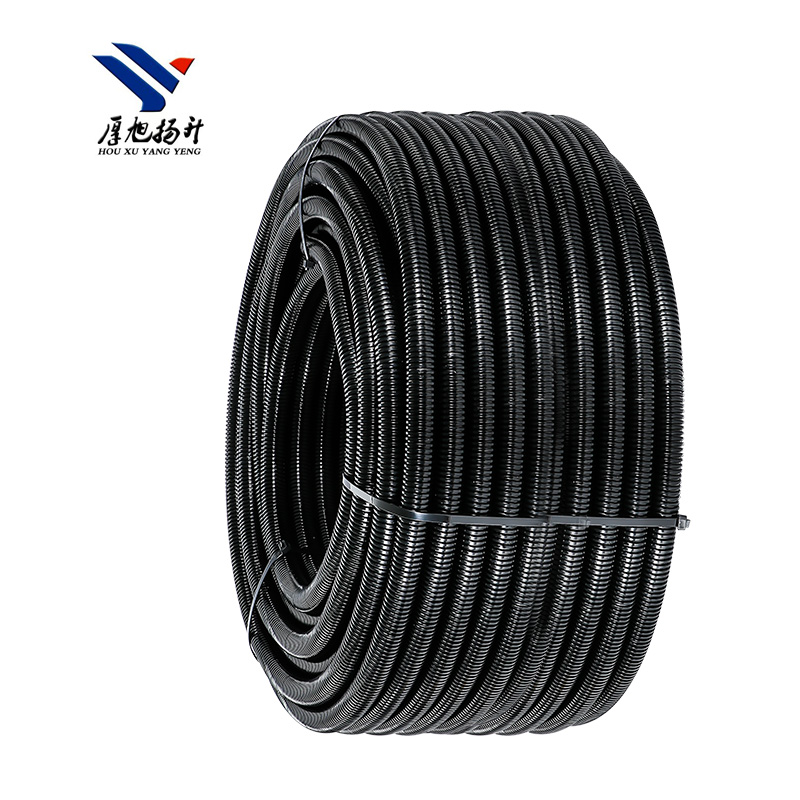
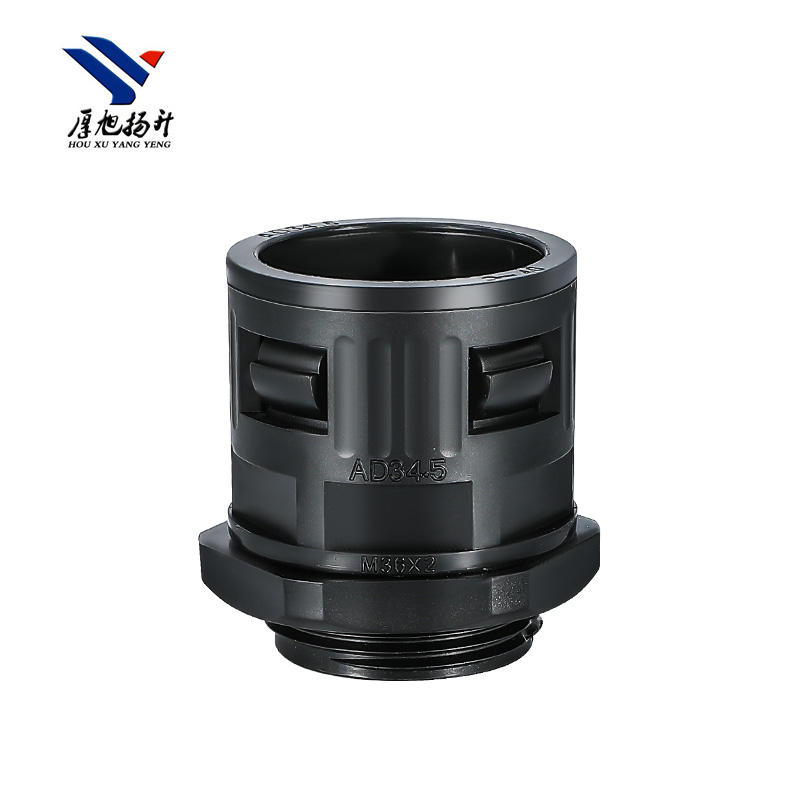

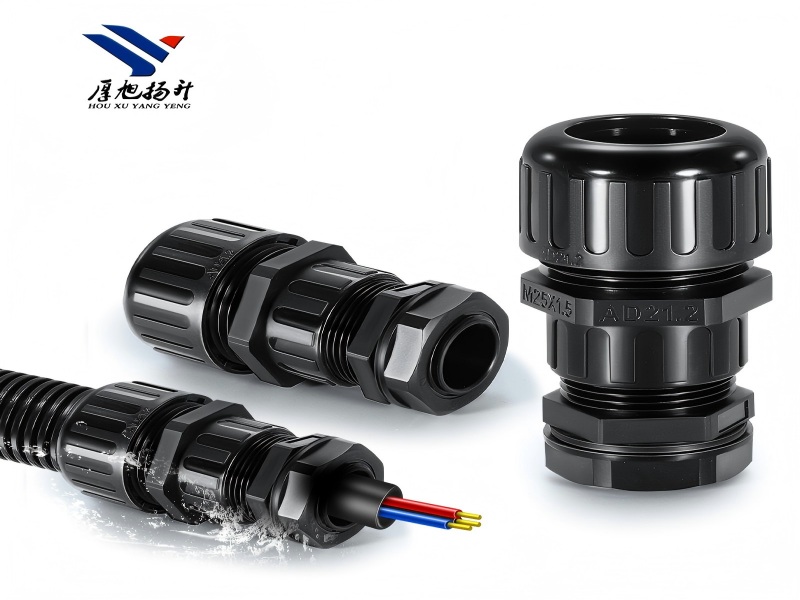
Choosing the right protection for cables is a lengthy process that starts long before the product ships. A specifier that neglects the standards behind flexible conduit often finds out the hard way when goods clear customs or face an on-site inspection. There are international standards and agreements to harmonize the rules for wiring to make it safe, durable and legal to ship it across borders. This document outlines the certifications that have the highest impact for procurement teams, the details of each and why the supporting paperwork for a part deserves as much consideration as the part itself. Good procurement considers a certificate as part of the product.
Which international standards apply to flexible conduit?
UL 94 and what flammability classification really means
UL 94 measures how a material resists ignition and flame spread. For PA66 and nylon conduit, ratings like V2 or V0 describe how quickly a burning sample self-extinguishes. This matters in panels and machine enclosures where a single short circuit can ignite nearby wiring inside a flexible conduit. Specifiers should ask for the actual test grade rather than a vague "flame retardant" claim, because the difference between V2 and V0 changes how a fire behaves in a confined space. A documented grade also helps engineers compare products from different suppliers on equal terms.
IP67 and IP68 under IEC 60529 ingress protection
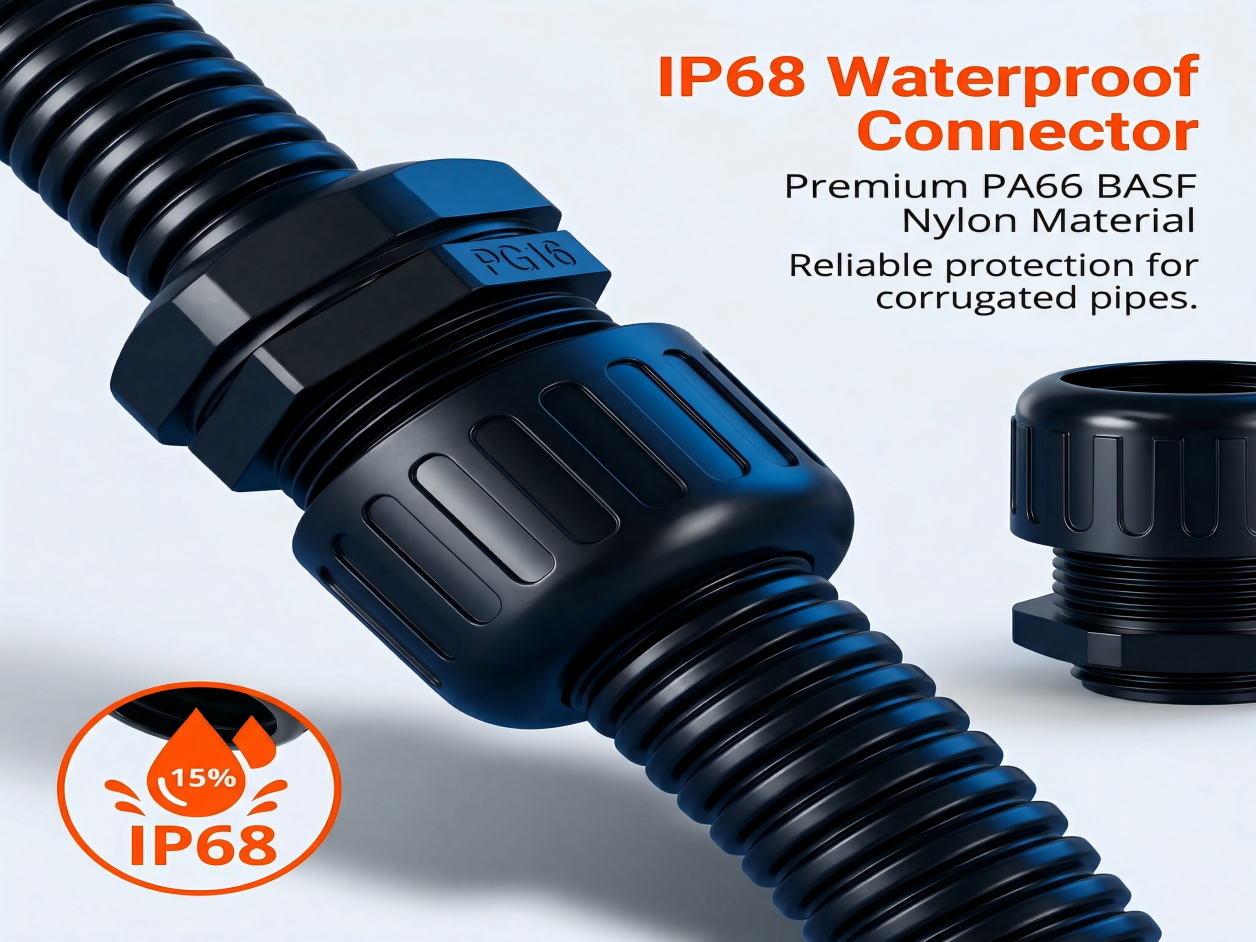
IEC 60529 defines ingress protection grades through two digits. The first digit covers solids such as dust, and the second covers liquids. IP67 means immersion up to one meter for a set time, while IP68 covers deeper, longer exposure defined by the manufacturer. For outdoor and washdown environments, the seal at every joint matters as much as the conduit wall. A corrugated conduit rated IP68 still fails if the connector does not match the grade. Ingress protection must be validated as a complete cable management assembly, not piece by piece. UV resistance and chemical resistance also decide how long the part survives in the field.
How quality and substance rules shape procurement
The value of a documented quality system (ISO 9001)
Having ISO 9001 means a manufacturer has a documented quality management system, not that a specific product passed a test. For a buyer, this means that they have consistent batch control, and can trace their materials. This, along with corrective actions, helps ensure that defects do not occur in their product. A supplier with this certification is more likely to ship the same PA66 compound lot after lot. The disciplined approach to change control because of the presence of this standard in the supplier’s system helps procurement teams handling OEM/ODM projects, where stringent change control on a supplier’s part is imperative for product compliance. This is evident when suppliers alter the temperature rating of a seal or the material of a seal. When auditing a supply chain, this certificate gives a baseline from which other product-level claims can be made.
Restricted substances (RoHS) and how they will still matter in 2026
RoHS limits certain hazardous substances (like lead and certain phthalates) in electrical products in regulated markets. Even though a conduit looks like a simple tube of plastic, the colorants, stabilizers and seals can still contain restricted substances. Importers to the EU and several other regions must ensure RoHS compliance for their electrical products to avoid shipment detentions. Continuous monitoring ensures customers remain compliant. Buyers should treat the certificate as a recurring requirement since, because of process improvements, raw-material suppliers can change the supplier’s formulation.
Conduit system standards that govern installation
NEC Article 358 and recognized conduit systems
NEC Article 358 covers electrical metallic tubing and related nonmetallic raceways used in US installations, setting rules for support spacing, couplings, and permitted uses. A flexible conduit selected for North America must fit the recognized system, or the inspector can reject the run. Buyers should confirm that fittings, connectors, and the conduit body share the same listing so the assembly passes rather than becoming a costly tear-out. Local amendments vary by jurisdiction, so the authority having jurisdiction ultimately decides acceptance on site.
IEC 61386 and the global conduit system approach
IEC 61386 takes a system view, classifying conduit by mechanical, electrical, and impact behavior rather than by material alone. It helps specifiers compare a liquidtight flexible conduit against rigid options on equal terms across many countries. For exporters, aligning with this standard reduces the number of regional variants to stock. The classification also tells installers how much bend radius and compression a run can tolerate before the cable protection inside is compromised. A consistent class label simplifies cross-border documentation and gives procurement a common language with factories in different regions.
Safety, inspection, and a real compliance lesson
OSHA 29 CFR 1910 and workplace wiring safety
OSHA 29 CFR 1910 sets general workplace safety duties, including safe electrical installation and maintenance practices. While it does not test products, it holds employers responsible for using wiring methods that protect workers from shock and arc hazards. Choosing the right flexible conduit and conduit fittings that meet recognized standards supports a defensible safety program. In an audit, documented compliance with published standards weighs heavily in favor of the operator.
A failed inspection that changed one buyer's checklist
Background: nylon conduit was imported for a food-processing retrofit. Problem: the UL 94 documentation was not included with the shipment and some of the conduit bore IP ratings which were unverified. A county inspector stopped work due to this issue. Solution: the team sourced PA66 conduit with SGS-UL-94V0 and IP68 and ISO 9001 records, and completed the lines in question. Effect: work resumed on the project within a few weeks. The original shipment was returned and the customer added certificate checks to their purchase orders. The incident showed that documentation is shipped with the product and should be verified prior to releasing payment.
There are a number of standards that turn a simple component into a verified component. Procuring a UL 94 tested flammability component and IEC 60529 ingress protection component along with a certified quality management system component (i.e. ISO 9001),RoHS substance limits, NEC Article 358 (or IEC 61386) system fit, OSHA safety, and other applicable standards helps build a defensible supply chain. The right flexible conduit is not the lowest-cost component on a quote; it is the component that comes with the certificates that survive inspection at the border and on the factory floor. Request the paperwork and keep it for each shipment.
Frequently Asked Questions
Question
Why does UL 94 rating matter for conduit used in enclosures?
Answer: UL 94 classifies how plastics self-extinguish after ignition. In a panel, a V0 or V2 rated nylon conduit slows flame spread and limits smoke when a fault occurs. This protects adjacent wiring and gives installers safer evacuation time. Specifiers should request the actual test grade and the issuing lab, because a vague "flame retardant" label offers no proof during an audit or customs review.
Question
Which ingress protection grade suits outdoor conduit runs?
Answer: IP68 fits outdoor and washdown use, while IP67 covers temporary immersion. For a flexible conduit running outside, IP68 paired with a matching sealed connector prevents water and dust entry at every joint. Buyers should confirm the whole assembly, not just the tube, because a single weak fitting defeats the rating. Request the test certificate from the manufacturer before approving the line.
Question
How does ISO 9001 reduce procurement risk?
Answer: ISO 9001 confirms a manufacturer runs documented quality controls rather than relying on spot checks. For buyers, that means consistent PA66 compound batches, traceable materials, and a defined response when a defect appears. It does not test a single product, yet it lowers the odds of receiving mixed-grade stock. Procurement teams handling OEM projects gain predictable change control when a supplier alters a temperature rating.
Question
Can RoHS affect a plastic conduit import?
Answer: RoHS limits hazardous substances such as lead and cadmium in electrical goods sold on regulated markets. A plastic conduit may look inert, yet its pigments, stabilizers, and seals can carry restricted chemistry. Importers into the EU and similar regions face detained or returned shipments without a valid declaration. Requesting a current RoHS certificate keeps a wire harness or cable protection line compliant across every destination it serves.
Question
What should a buyer check before a conduit inspection?
Answer: Before an inspection, confirm three things: the applicable standard for the region, the issued certificate from a recognized lab, and matching ratings across the full assembly. Check that conduit, fittings, and connectors share one listing so the run qualifies as a system. Keep declarations on file for audits. A buyer who verifies paperwork early avoids the costly rework of a failed on-site review.