 EN
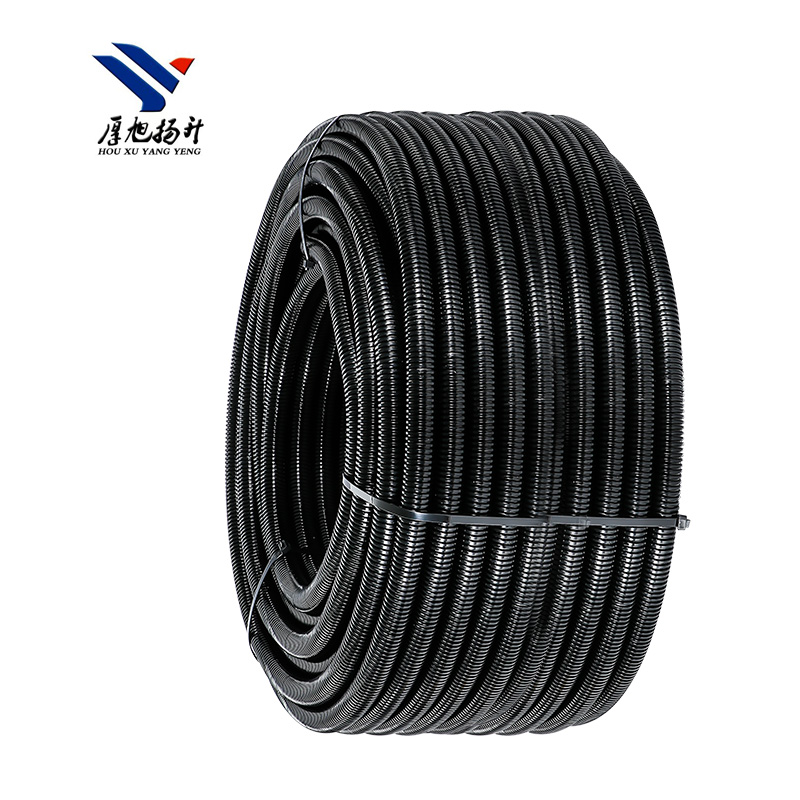
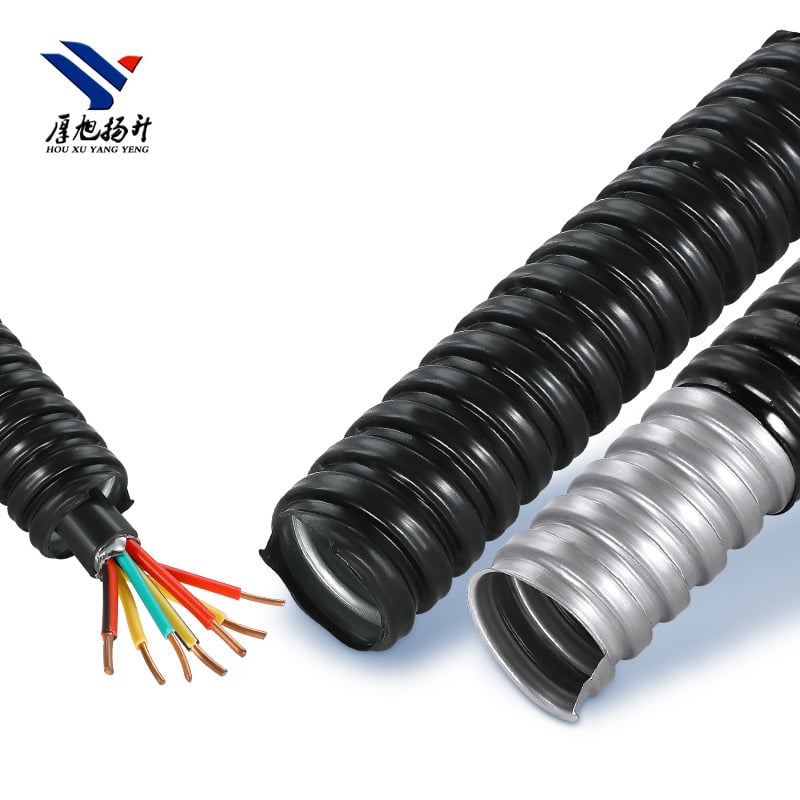

The short answer is yes, but only when the product and rating fit the site. A well-specified corrugated pipe can protect wiring for many seasons in the open, yet the wrong polymer or an unsealed run will fail well before its rated life. Outdoor service adds ultraviolet light, temperature swings, and standing water that indoor routes never face. This guide explains what determines long-term survival, how material choice changes the outcome, and where drainage or sealing decisions make or break an installation.
How Weather Attacks Conduit Outdoors
UV Radiation and Polymer Breakdown
Sunlight is the first enemy of plastic conduit left above ground. Ultraviolet rays break polymer chains, making a flexible sheath brittle and chalky. Not every material resists this equally, so corrugated pipe rated for outdoor use matters more than shape alone. PA66 with a UV-stabilized compound keeps mechanical strength for 8+ years in direct sun per manufacturer testing, while untreated polyethylene or polypropylene can craze within two or three seasons. Color and wall thickness also shift the result, so request a documented UV rating.
Freeze-Thaw, Temperature Range, and Wall Strength
Water that enters a conduit then freezes expands with real force. A corrugated pipe that traps moisture will split at the corrugation valleys during a hard winter, and repeated freeze-thaw cycling fatigues the wall. Quality nylon conduit carries a temperature rating near -40°C to 125°C, enough for most continental climates, yet the label describes the dry polymer, not a water-filled tube. Drainage provisions and proper supports keep real behavior close to the rating. Where ice is yearly, leaving expansion room prevents buckling. Good abrasion resistance at support points also limits micro-cracks that frost later exploits.
Picking the Right Material
PA66 for UV-Stable Long-Term Service
Polyamide 66 earns its place outdoors because the base resin tolerates heat and impact while taking UV stabilizers well. A corrugated conduit built from virgin PA66 keeps flexibility through years of sun and cold and meets flame-retardant class UL 94 V2. For exposed telecom, solar, and signage wiring this combination reduces replacement cycles and the labor that goes with them. PA66 also brings chemical resistance against mild oils and cleaners, a useful trait near machinery. The trade-off is cost versus polypropylene, but above-ground long-term runs usually justify it. A generous bend radius during install avoids stress whitening that weakens the wall over time.
PE and PP for Drainage and Buried Lines
Polyethylene and polypropylene cost less and shrug off water, which suits buried or drain applications where sunlight never reaches the wall. A corrugated pipe made from PE works well as a drain line or below-grade sleeve, and double-wall PE adds ring stiffness for soil loads. PP brings chemical resistance in mild environments and stays workable in cold, though its above-ground UV life is shorter without additives. For shaded, buried, or drainage-only runs these materials deliver value; choose PA66 when the route is exposed.
Drainage Versus Sealed Protection
Why Condensation Matters Outdoors
Day-night temperature shifts push humid air in and out of any open tube, and that moisture lands on terminals and connectors. A corrugated pipe that breathes without a drain lets condensation pool at low points, inviting corrosion and short circuits. Sealed liquidtight flexible conduit paired with IP67 or IP68 glands stops most ingress, yet trapped humid air still condenses. The practical fix is a routed drip loop, a vented fitting at the high point, or a drain at the low end. Deciding between sealed and vented depends on whether water or humidity dominates. Good abrasion resistance at supports stops the wall rubbing through where it meets metal edges.
Fittings, Glands, and Ingress Protection
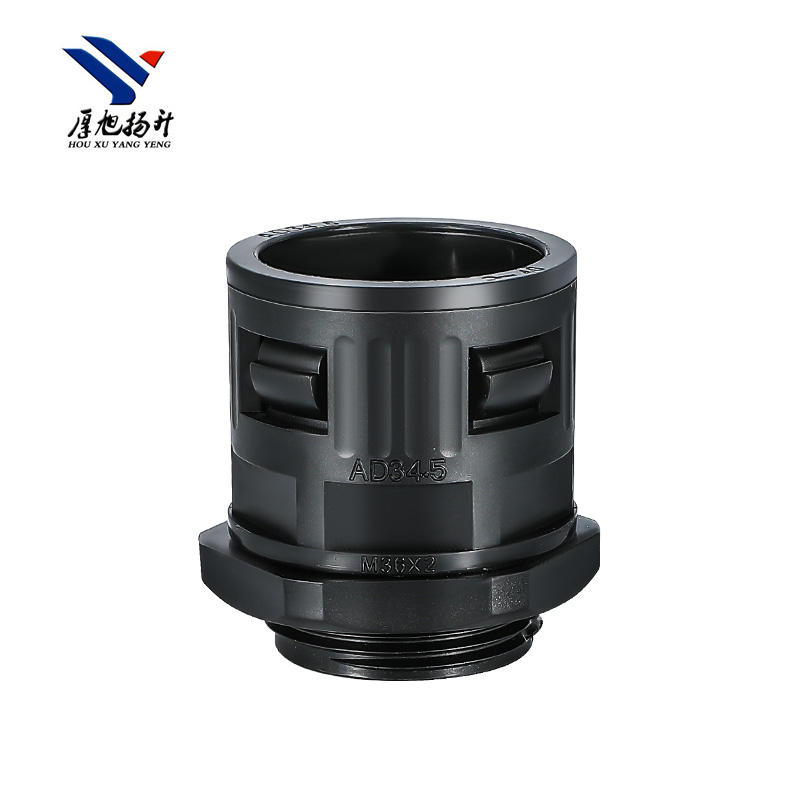
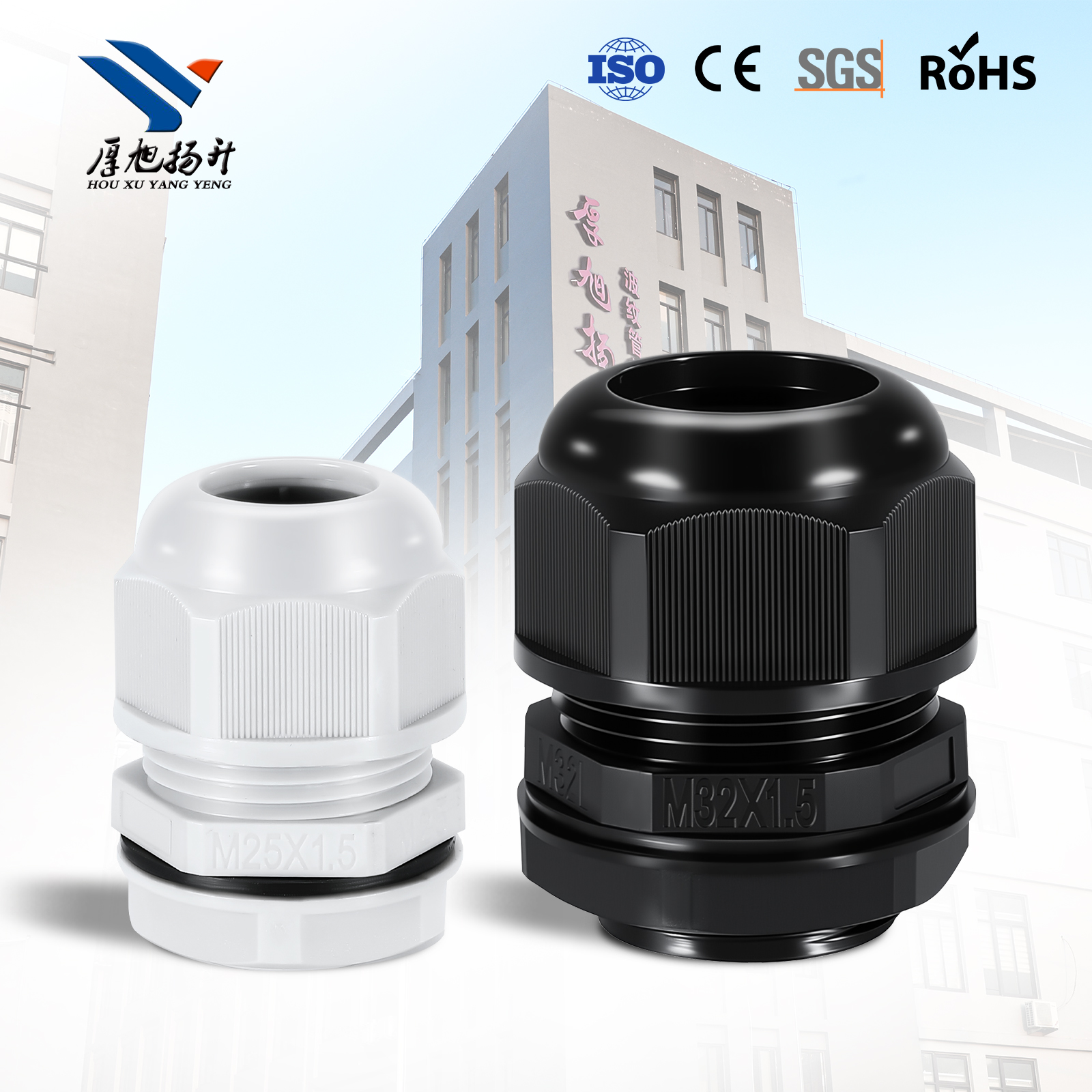
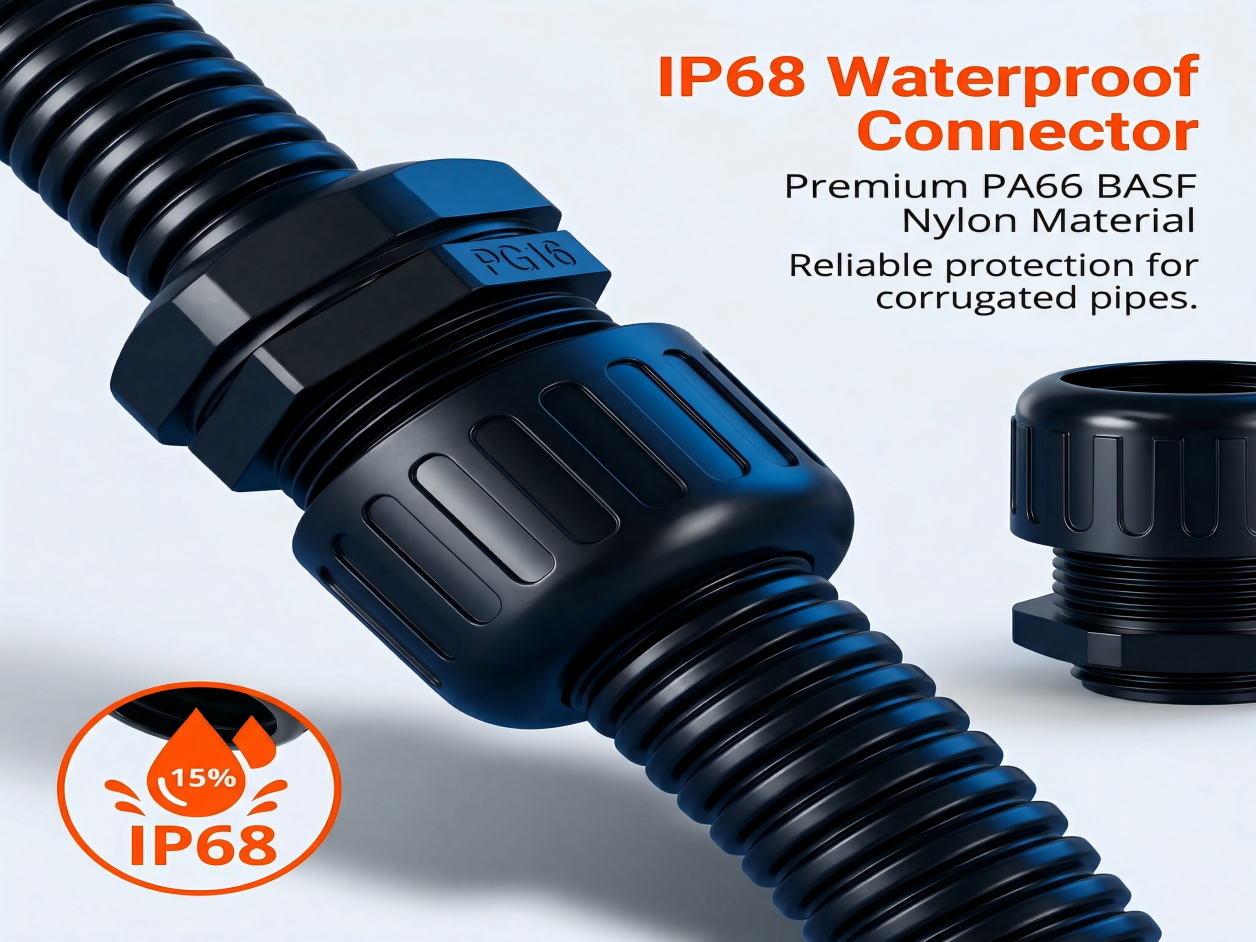
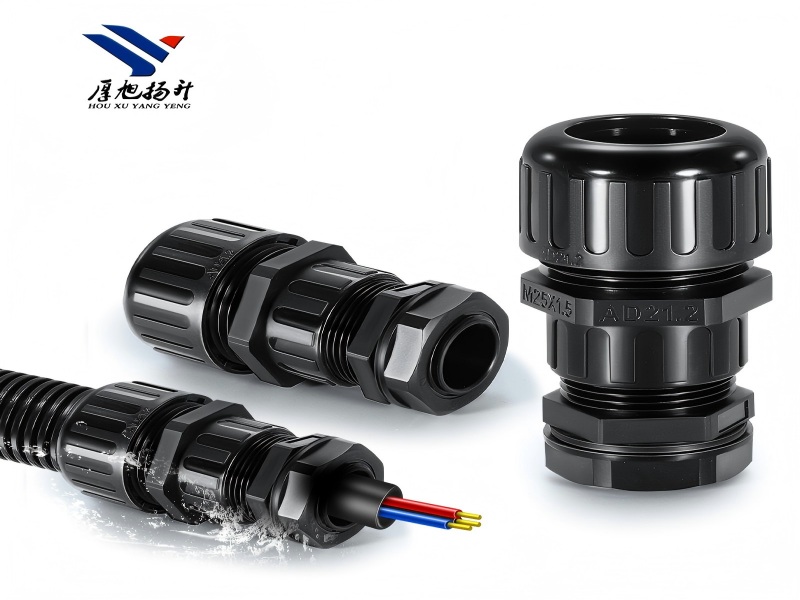
Even a strong tube fails at its ends. Conduit fittings and cable glands must match the ingress protection goal, with IP67 suiting splash zones and IP68 or IP69 handling immersion and washdown. Threaded nylon connectors with EPDM seals keep a weathertight path from cabinet to equipment, and strain relief at the entry stops the sheath from working loose. Following IEC 61386 for conduit systems and NEC Article 358 for routing keeps the assembly code-aligned. Specifying fittings of the same polymer family as the corrugated pipe avoids mismatch and makes a longer-lived seal. Plan cable management at the cabinet so the conduit is not kinked where it enters the enclosure.
Field Scenario — Outdoor Telecom Cabinet
Background, Problem, and Fix
A regional solar and telecom operator ran cabling from rooftop panels to a ground cabinet using thin unrated plastic loom. Within three winters the sheath turned brittle, a freeze-thaw split let rain into a junction, and a service call cost more than the original material. The maintenance lead swapped the route to UV-stable PA66 corrugated pipe with IP68 glands and a low-point drain. Routing followed a gentle drip loop so condensation ran clear instead of collecting. The fix took one crew day and removed the recurring fault.
Result and Maintenance Notes
After the retrofit the cabinet stayed dry through two full seasons of heat, frost, and storms. The PA66 sheath kept its color and flexibility, and the sealed glands showed no weeping at the threads. A simple annual check — wipe the wall, confirm the drain is clear, retighten the glands — keeps the install dependable. The operator now specifies the same cable protection approach for new sites. This field case shows that outdoor survival depends less on the pipe shape and more on matching material, rating, and drainage to real conditions. Documenting the install with the rating label helps future crews verify the spec without excavation.
Outdoor use is possible and practical, but survival depends on the material and the rating rather than the corrugated pipe shape alone. PA66 with UV stabilizers serves exposed routes for 8+ years, while PE and PP fit buried or drainage runs. Manage freeze-thaw with drainage and supports, and choose sealed or vented protection by the dominant threat. Match conduit, fittings, and glands to the site, follow IEC 61386 and NEC routing rules, and inspect yearly for a dependable long-term install.
Frequently Asked Questions
Question
Does outdoor conduit need UV stabilization?
Answer: UV-stable compounds prevent the sheath from going brittle under sun. Untreated polyethylene or polypropylene can craze within a few seasons, while PA66 with UV additives holds strength for 8+ years above ground. Always request a documented UV rating rather than trusting color alone, because black pigment is not the same as stabilization. For shaded or buried runs, stabilization matters less, but exposed routes demand it.
Question
How cold can flexible conduit survive?
Answer: Quality nylon conduit works from about -40°C to 125°C when dry, covering most continental climates. The label describes the polymer, not a water-filled tube, so sealed or drained routing matters in freezing zones. Repeated freeze-thaw stresses any conduit holding moisture, so supports and drip loops protect the wall. Check the specific rating of the product batch before install.
Question
Is sealed conduit better than vented drainage?
Answer: It depends on the threat at the site. Sealed liquidtight conduit with IP67 or IP68 glands blocks rain and washdown but traps humid air that still condenses. A vented run with a low-point drain sheds water yet lets air move. Where immersion or spray dominates, seal it; where humidity and condensation rule, drain it. Matching the method to the environment prevents corrosion at terminals.
Question
Which material lasts longest outside?
Answer: PA66 with UV stabilizers leads for exposed long-term service, keeping flexibility and impact resistance for 8+ years in direct sun. PE and PP cost less and excel below grade or in drainage, but their above-ground UV life is shorter without additives. For rooftop, signage, and cabinet wiring, PA66 reduces replacement cycles. Buried or shaded lines can use PE or PP to save budget without losing performance.
Question
Can corrugated pipe replace metal conduit outdoors?
Answer: In many non-metallic routes it can, where chemical resistance, weight, and flexibility matter more than crush rating. Liquidtight nonmetallic conduit meets IEC 61386 and NEC Article 358 for listed applications, and PA66 versions handle sun and cold well. For high-impact or fire-rated paths, verify the local code and product listing first. Match the choice to load, exposure, and regulation rather than defaulting to metal.