
 EN
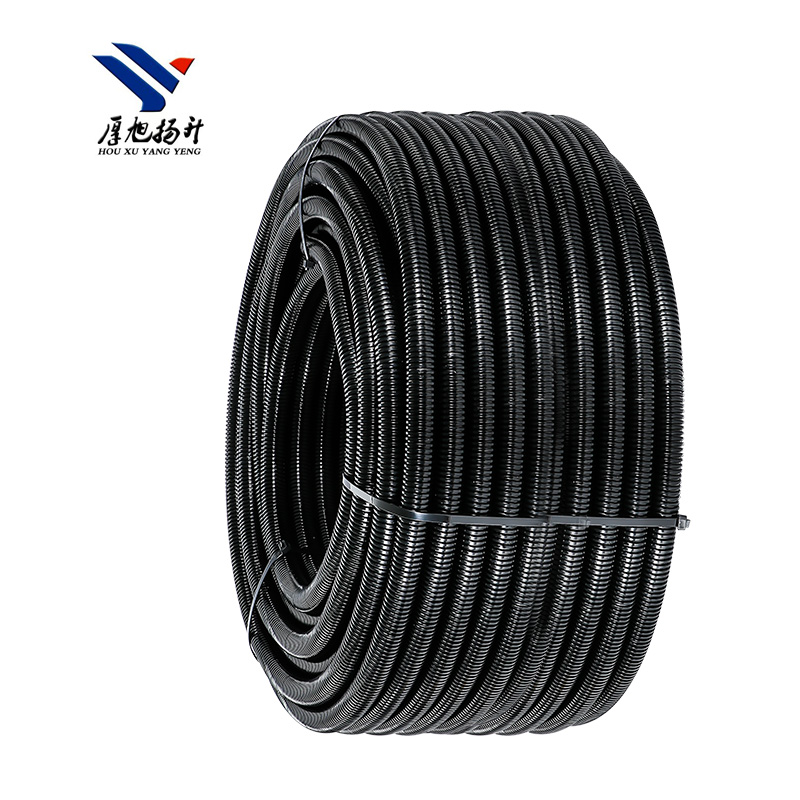
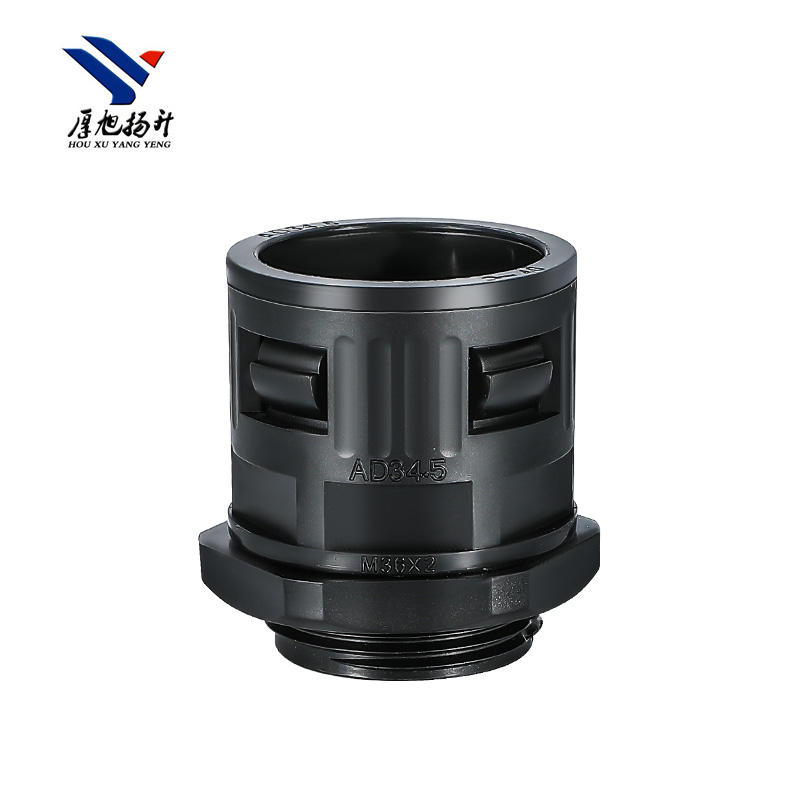
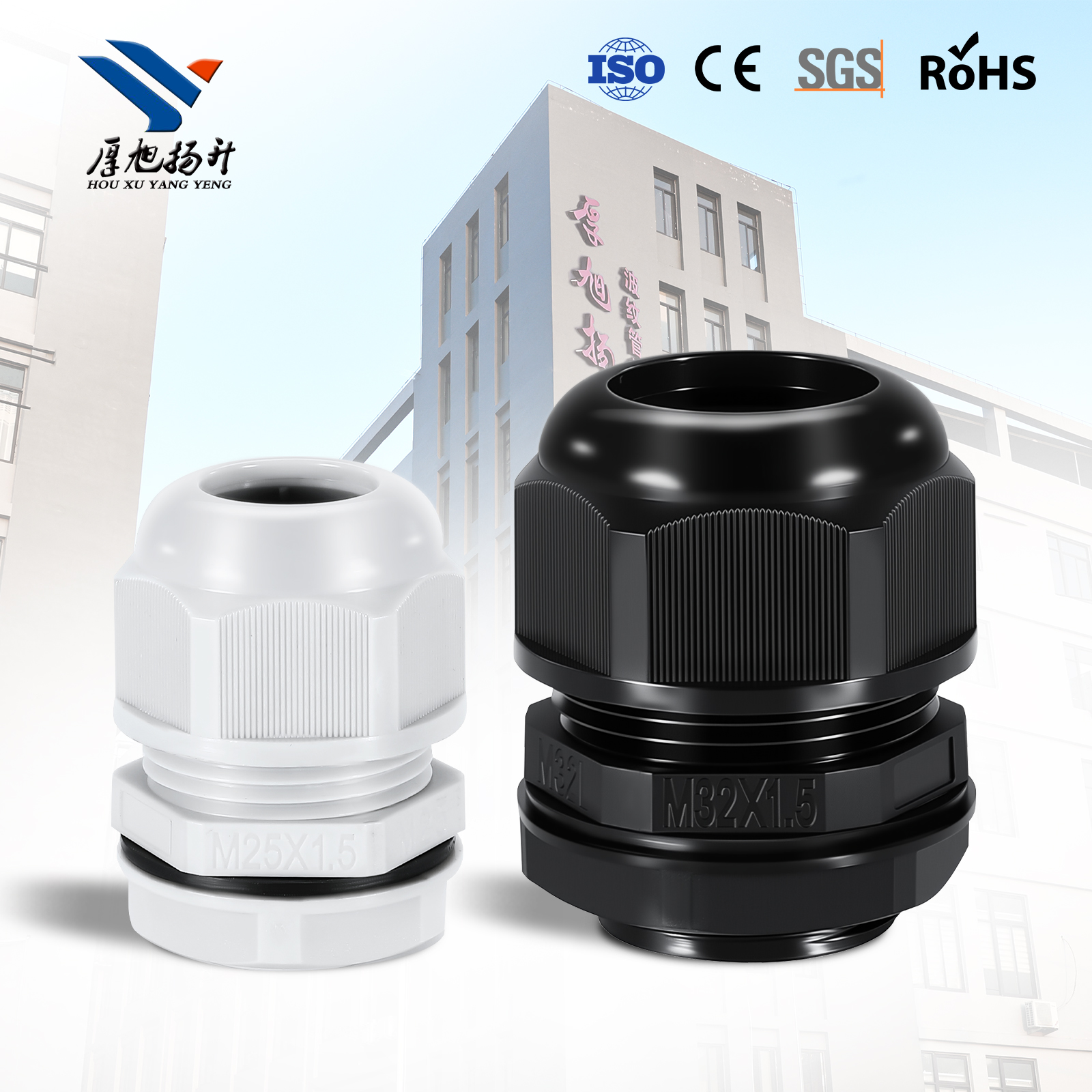
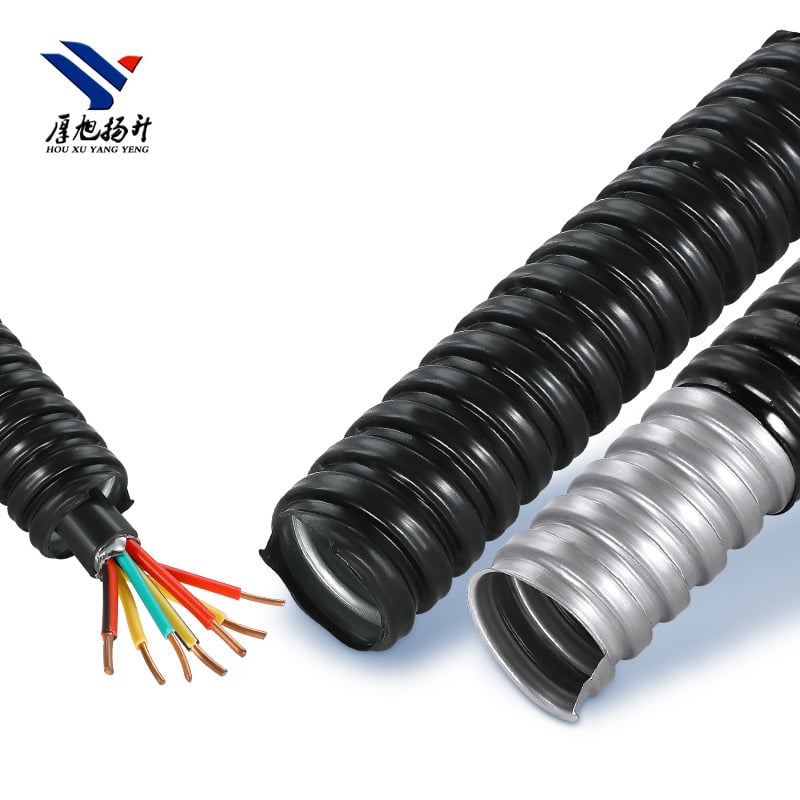

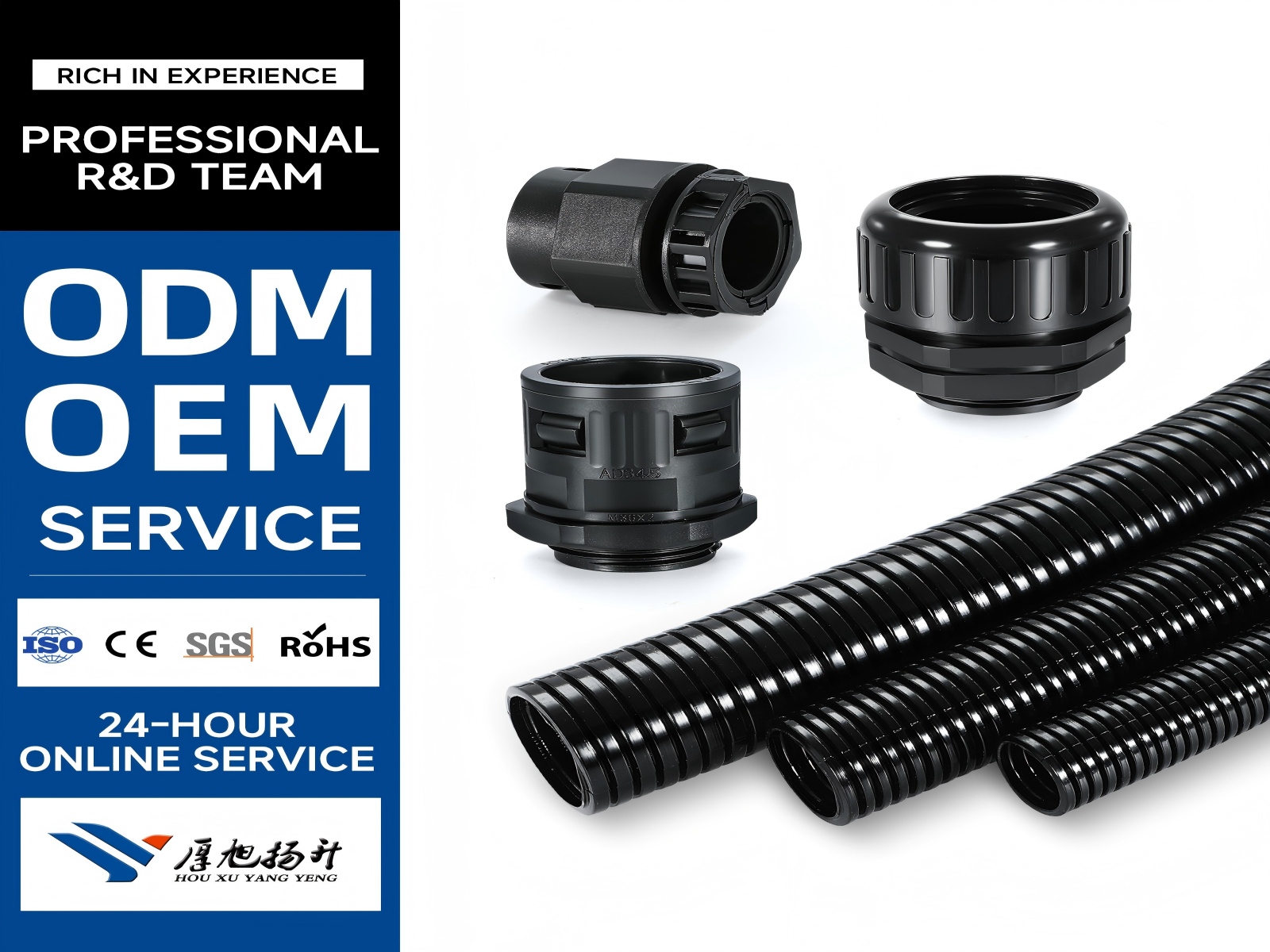
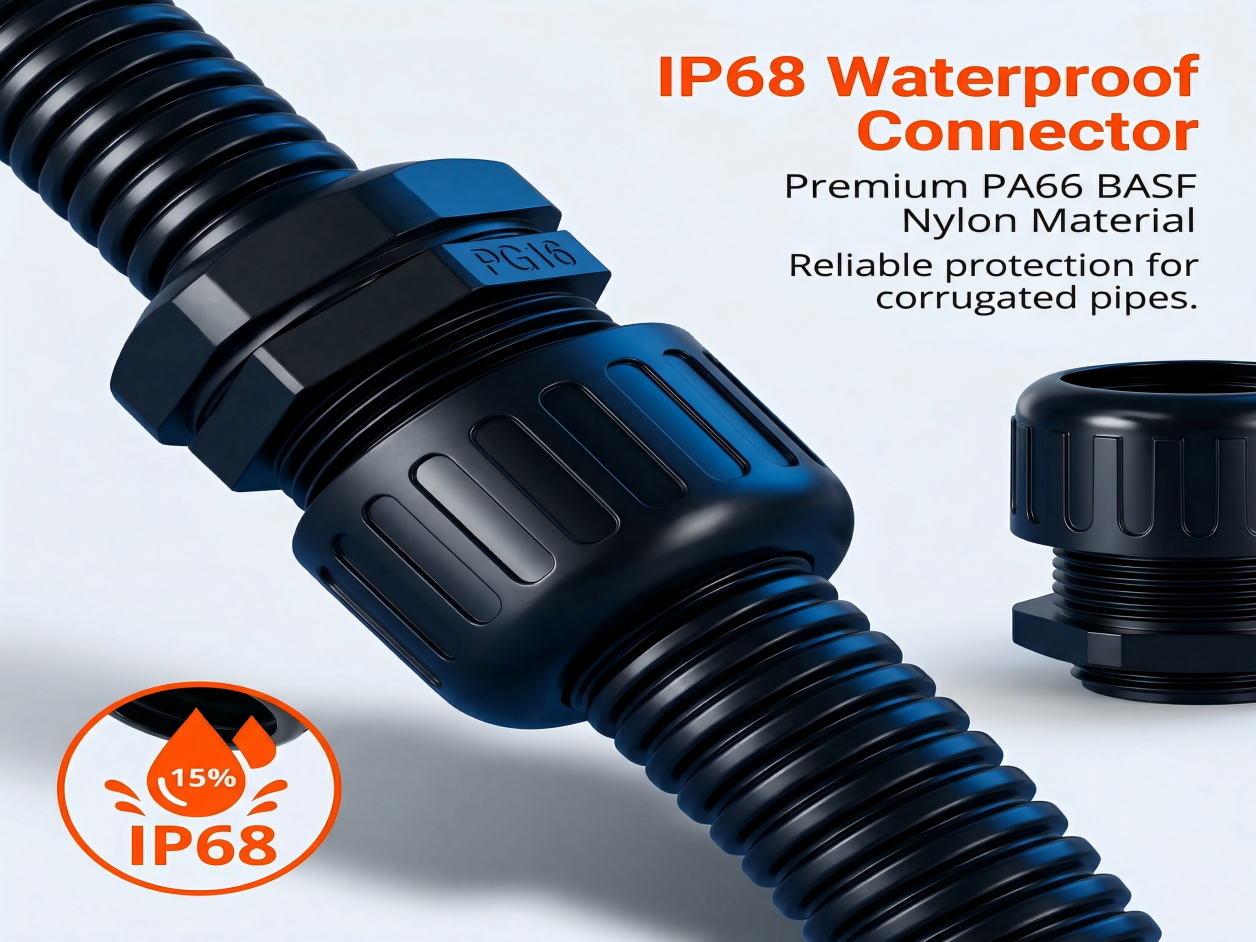
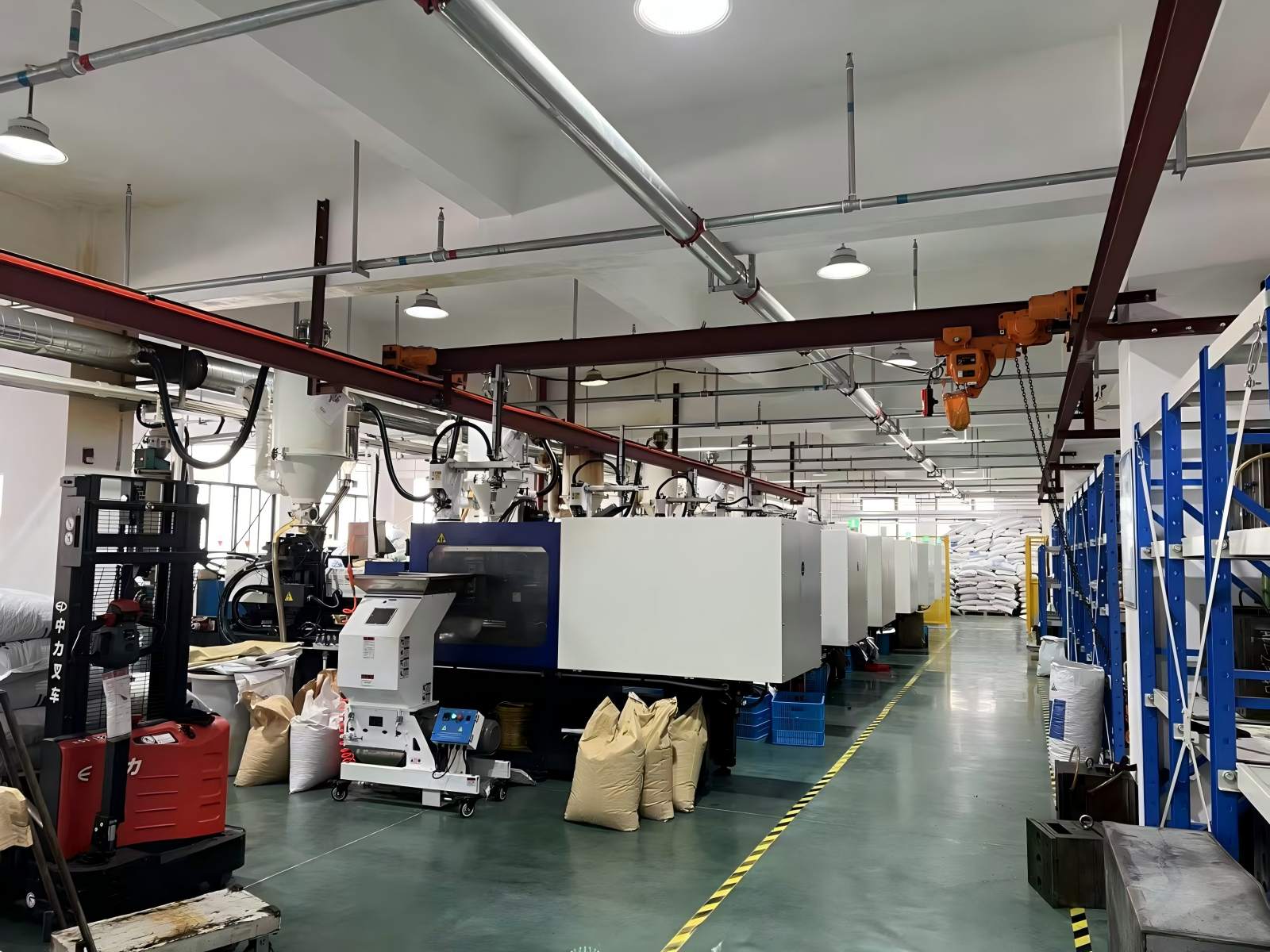


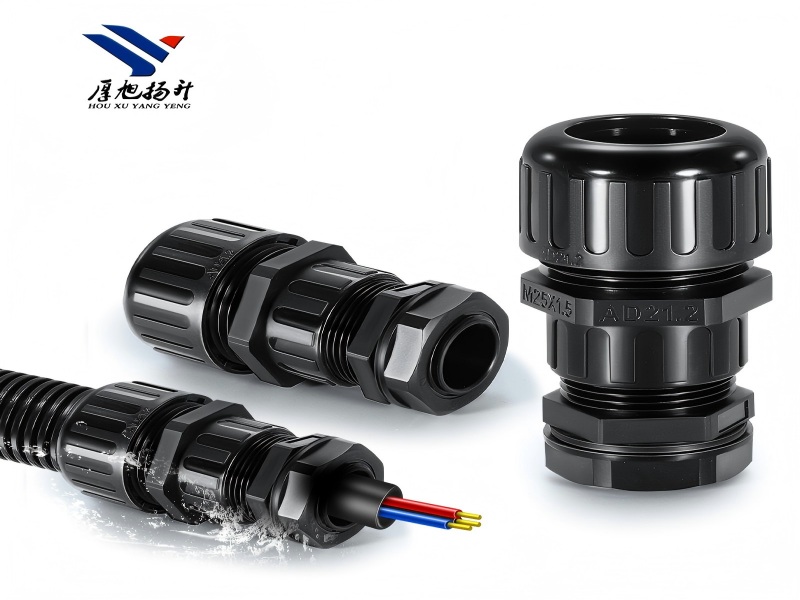
Specifying the right corrugated pipe starts long before installation. The same ribbon-shaped sheath that tidies a server room can fail badly on a factory floor, because material and wall structure decide how it bends, breathes, and survives impact. Buyers who understand those differences avoid costly rework and keep cable protection dependable for years.
How Material Choice Drives Performance
Nylon and PA66 Corrugated Pipe for Heat and Flame Safety
A corrugated pipe built from PA66 nylon behaves very differently from one made of commodity plastic. PA66 keeps useful strength from –40°C up to 125°C and carries a UL 94 flame rating, which matters wherever panels sit near motors or control cabinets. Nylon also brings UV resistance for occasional sun exposure and resists oils and many solvents that soften cheaper polymers. For wire harness bundles that must stay sealed and tidy inside hot enclosures, PA66 remains a practical default. Pairing the conduit with matched conduit fittings keeps the seal intact at every entry point, while proper strain relief at the termination stops the bundle from pulling loose under movement.
PP and PE Corrugated Pipe for Lower-Cost Runs
A corrugated pipe in polypropylene or polyethylene costs less and stays flexible in the cold, but its temperature rating tops out well below nylon. PP resists acids and many cleaning agents, while PE shrugs off moisture and outside abrasion. These materials suit indoor cable management where heat stays modest and budgets are tight. A polypropylene run is easy to justify when the space is dry and the conduit never meets open flame. PA6 offers a lower-cost nylon option for light duty where heat stays mild. Field cutting stays simple with a sharp blade, though the softer wall needs support clamps at longer spans to avoid sagging between mounts.
Wall Structure Changes the Trade-Offs
Single-Wall Flexibility and Bend Radius
A single-wall corrugated conduit is the lightest option and offers the tightest bend radius, letting it snake through crowded panels without extra conduit fittings. That flexibility comes at a price: the thin wall dents easily under point loads and offers limited crush resistance. On stable routes with no foot traffic or heavy clamps, single-wall conduit keeps weight and cost down while still organizing cables cleanly. This corrugated pipe style suits stable routes. Where chemical mist drifts through the area, confirm the polymer before specifying, because some cleaners weaken thin walls faster than thick ones.
Double-Wall and Overlapping Builds for Crush Resistance
Double-wall and overlapping constructions add an inner liner or second skin, raising crush resistance and smoothing the interior so cables slide without snagging. The trade is stiffness and price: a double-wall conduit bends on a wider radius and costs more per meter. Where forklifts roll, panels get stacked, or abrasion is constant, the extra wall pays for itself by preventing crushed wire harness failures that halt production lines. For a corrugated pipe that must survive stacking and rolling loads, the double-wall build is the answer. Many double-wall builds also carry UV resistance for short runs that leave the enclosure, an advantage worth noting when the route meets daylight.
Opened Versus Closed — Access or Sealing
Split Conduit Speeds Retrofit and Maintenance
An opened or split conduit opens along its length, so technicians wrap it around existing wires without pulling cable ends. That saves hours on retrofit jobs and simplifies cable management during service. The seal is not liquidtight, yet for dry machine interiors the quick closure is worth more than a perfect gasket. A clip-in design also lets crews add or re-route a single wire without stripping the whole run. During audits, opened conduit lets inspectors see the wires at a glance, which speeds compliance checks without opening the whole tray.
Closed Conduit for Liquidtight Cable Protection
Closed conduit keeps its round section and delivers true ingress protection, rated IP67 or IP68 per IEC 60529 when paired with proper conduit fittings. That seals out washdown, dust, and short immersion, which NEC and IEC 61386 installations often demand near wet process areas. For outdoor or washdown cable protection, a closed corrugated pipe with liquidtight ends stays the safer choice over any opened alternative that would let water track inside. Threaded entries and locknuts keep the assembly tight against vibration, a detail easy to skip yet costly once seals loosen in service.
A Real Selection Scenario
Background — Cable Chaos on a Moving Robotic Cell
A contract machine builder wired a robotic welding cell with loose cables taped to the frame. Vibration loosened the tape within weeks, the wire harness rubbed through its jacket, and a fault halted the line. The team needed cable protection that could flex with the moving arm, resist weld spatter heat, and be installed without dismantling the existing harness or stopping production for days.
Solution and Measured Outcome
The builder switched to PA66 nylon conduit with a split, double-wall profile. Crews clipped it over the live wires in a single shift, the overlap shielded the bundle from spatter and abrasion, and the nylon held its shape near 125°C. Downtime from cable faults dropped to near zero over the following months, while maintenance gained quick access whenever a wire needed tracing. The fix cost little yet removed a recurring failure point.
Summary
Choosing the right corrugated pipe is less about finding one universal part and more about matching material, wall, and access to the job. PA66 and nylon win on heat and flame; PP and PE save money in cool dry spots; single-wall bends tight while double-wall fights crush; opened conduit speeds service and closed conduit seals out liquid. Matching those traits to the environment keeps cable protection dependable.
Frequently Asked Questions
Question
Which material suits high-temperature corrugated pipe applications?
Answer: PA66 nylon is the usual answer when heat stays high, because it keeps tensile strength and meets a UL 94 flame rating. Polypropylene and polyethylene soften much sooner, so they belong in cooler rooms. Always match the temperature rating to the panel environment and confirm any solvent exposure first. Choosing nylon where motors sit prevents melted sheathing and recurring cable faults.
Question
How does single-wall conduit differ from double-wall conduit?
Answer: A single-wall profile bends on a tight radius and weighs less, which helps in crowded panels, but it dents under point loads and offers weak crush resistance. A double-wall or overlapping build adds an inner liner that resists crushing and protects cables from abrasion, at the cost of stiffness and price. Pick single-wall for stable routes and double-wall where loads are heavy.
Question
When should a split conduit be chosen over closed types?
Answer: A split or opened conduit makes sense during retrofit and service, because it clips around live wires without stripping the run. That saves labor on existing machines and simplifies cable management when a single wire needs re-routing. The closure is not liquidtight, so it fits dry interiors rather than washdown zones. Choose opened conduit where quick access matters more than a sealed gasket.
Question
Can closed conduit reach a liquidtight seal?
Answer: Yes, when the closed profile is paired with matching conduit fittings and an EPDM or similar gasket, it reaches IP67 or IP68 ingress protection per IEC 60529. That blocks washdown, dust, and brief immersion, which many NEC and IEC 61386 installations require near wet areas. Closed conduit suits outdoor and washdown cable protection where opened types would let water track inside along the wires.
Question
Why does chemical resistance guide material selection?
Answer: Many plants expose conduit to oils, coolants, or cleaning agents that quietly degrade the wrong polymer. PA66 nylon resists a broad solvent range, while polypropylene handles acids well and polyethylene shrugs off moisture. Picking the material against the actual fluid prevents cracking, swelling, and sudden cable failure. Always match chemical resistance to the fluid on the spec chart, because a cheap plastic that dissolves costs more than the right nylon.