
 EN
EN

Do Conduit Connectors Fit Industrial Applications?
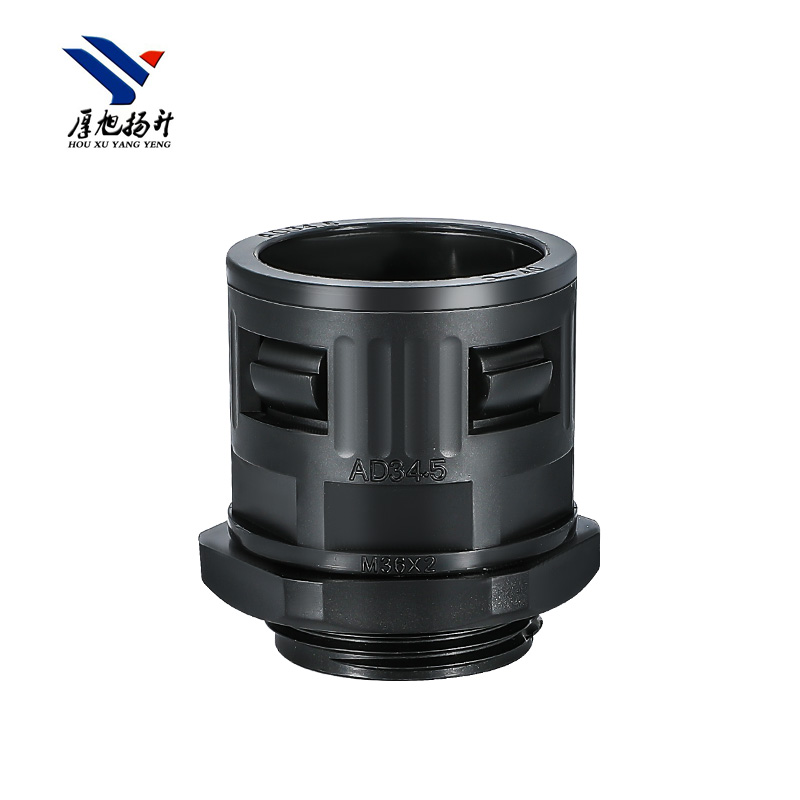
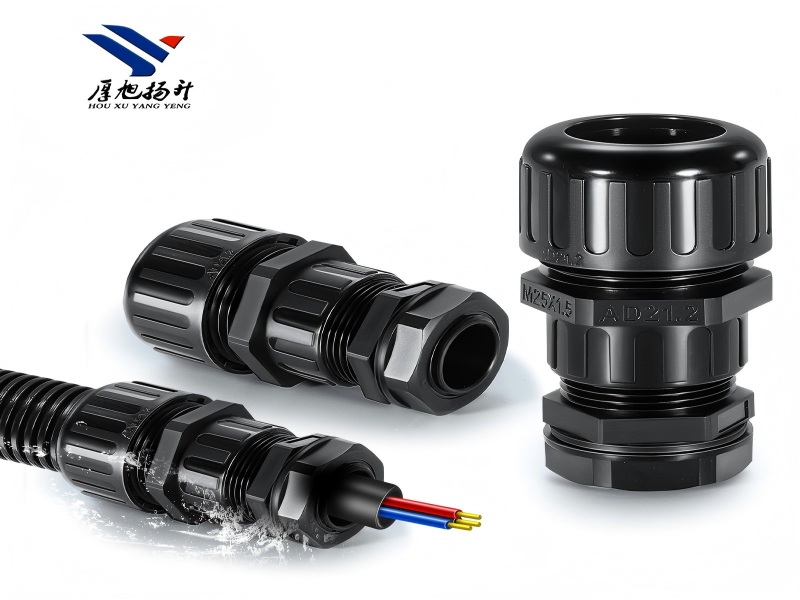
A German packaging machine manufacturer producing automated case-packing lines for the food and beverage industry used threaded brass conduit connector fittings throughout their standard machine wiring — each connector requiring approximately 90 seconds to thread onto the enclosure wall, insert the conduit, and tighten the compression nut with a wrench. With 40-70 conduit entry points per machine, connector installation alone consumed 1.5-2.5 hours of assembly labor. The manufacturer switched to PA66 tool-free quick conduit connector fittings with a twist-and-lock mechanism — the connector body snaps into a pre-punched enclosure hole with a retaining clip, and the conduit inserts with a quarter-turn lock into the connector body, requiring no tools for assembly. Per-connector installation time dropped from 90 seconds to approximately 22 seconds, reducing total wiring assembly labor by 62%. The PA66 connectors met the same IP67 sealing specification as the replaced brass connectors, added UL94 V-0 flame retardant certification (the brass connectors carried no flammability rating), and eliminated the galvanic corrosion risk between the brass fitting and the aluminum enclosure panels.
Conduit connectors fit industrial applications across a wide range of sectors — the industrial-grade versions are specifically engineered for the environmental, mechanical, and safety demands that differentiate factory-floor installations from residential or light commercial wiring.
Application Categories
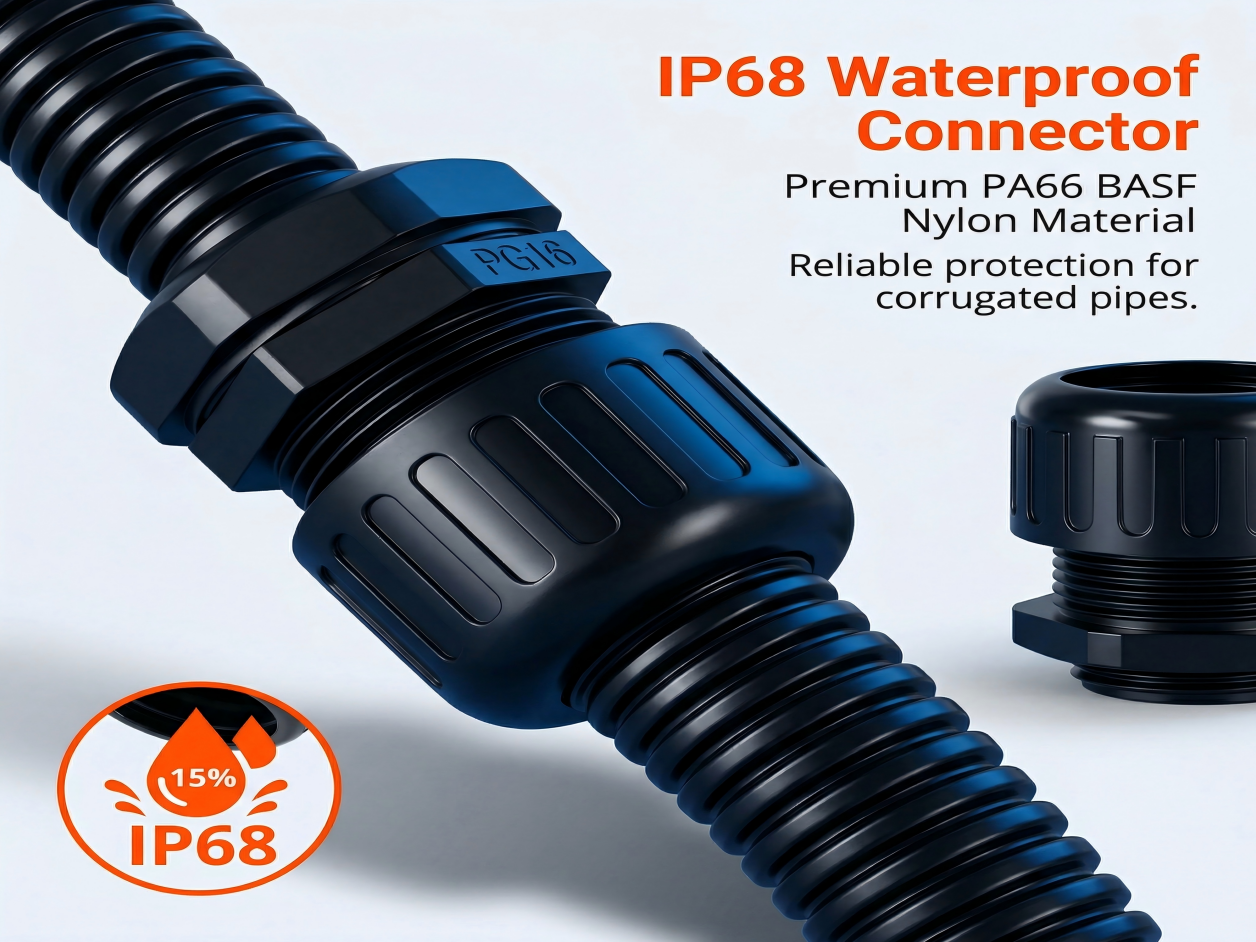
Industrial automation represents the largest application category for conduit connector products. Automated production lines, robotic workcells, CNC machining centers, and process control cabinets all require cable protection systems that withstand: continuous vibration from machinery, occasional impact from moving parts or material handling equipment, exposure to cutting fluids and hydraulic oil mist, and ambient temperatures that can reach 40-55°C inside control cabinets. The connector type most commonly specified for automation applications is the straight PA66 quick connector with IP65-IP67 rating — sufficient for dry and splash-protected industrial environments — or IP68 waterproof connectors for equipment subject to washdown cleaning.
Automotive manufacturing and new energy vehicle (NEV) production present the most demanding vibration and temperature conditions for conduit connector products. Engine compartment wiring in internal combustion vehicles experiences ambient temperatures from -30°C (cold-start in winter) to 125°C (heat soak after engine shutdown). Electric vehicle battery pack wiring operates in a narrower but still demanding range of -20°C to 60°C with the added requirement of zero halogen content — any halogenated material that could release corrosive gases during a thermal runaway event is prohibited. Connectors for automotive applications must maintain seal integrity under continuous vibration at 10-2,000 Hz and 5-10g acceleration — the vibration spectrum representative of vehicle operation — for a design life of 150,000-200,000 miles. The specified conduit connector for automotive applications is typically PA66 with IP67-IP68 rating, UL94 V-0, and enhanced compression gasket design that compensates for gasket compression set (permanent deformation) over the vehicle's service life.
Railway and transportation applications are governed by fire safety standards that exceed general industrial requirements. EN 45545-2 — the European standard for fire protection on railway vehicles — classifies materials by hazard level (HL1, HL2, HL3) based on the vehicle type and operating environment. Interior cable protection products in passenger rail vehicles must meet HL2 or HL3 requirements, which effectively mandate V-0 flame retardant classification and limit smoke density and toxicity. Railway conduit connector products must also withstand the shock and vibration profiles specified in EN 61373 — testing that simulates the random vibration and mechanical shock experienced over a 25-year rail vehicle service life.
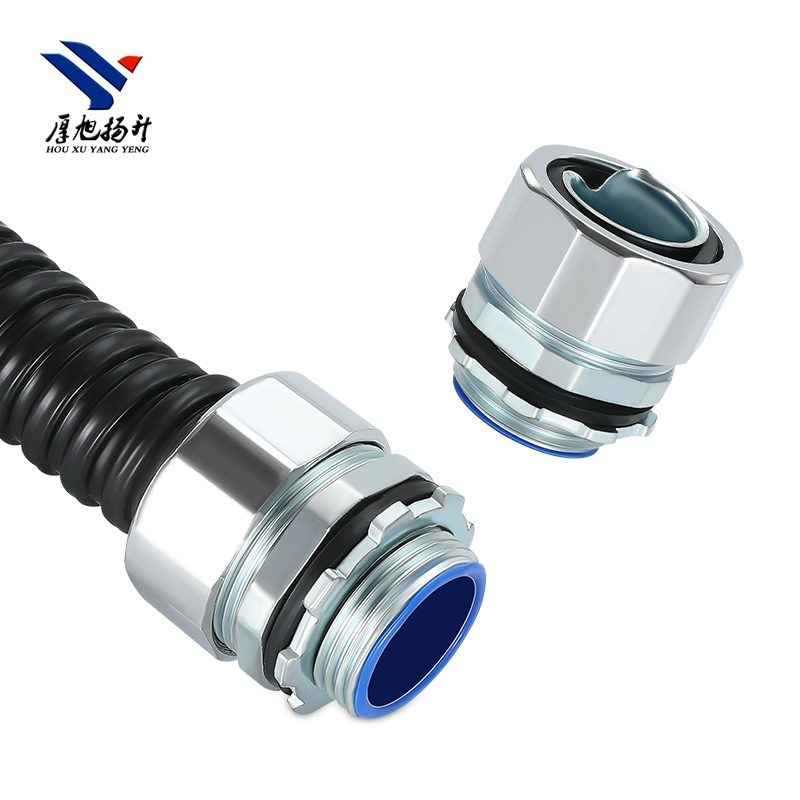
Marine, mining, and outdoor infrastructure applications share the IP68 imperative — the connector must prevent water ingress under continuous or intermittent immersion conditions. Marine environments add salt spray corrosion resistance requirements: PA66 nylon is inherently resistant to salt water corrosion (unlike zinc-plated steel which corrodes within months in marine atmospheres), but the connector's metal components — if any — must be 316 stainless steel or marine-grade brass. Mining applications add the requirement for dust-tight sealing against conductive coal or mineral dust that can cause tracking (electrical leakage across insulator surfaces).
Key Industrial-Grade Specifications
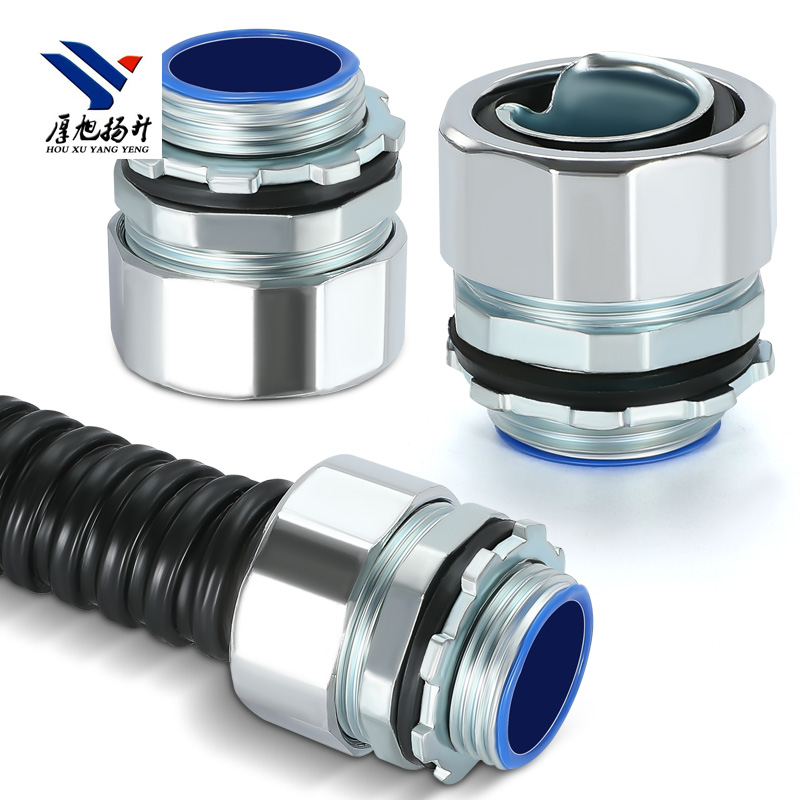
An industrial conduit connector is defined by four specifications: the body material (PA66 nylon for general industrial, metal for impact-prone or high-temperature locations), the thread standard (Metric/PG/G for compatibility with equipment from different manufacturing regions), the operating temperature range (minimum -40°C to +100°C for general industrial, extendable to +125°C for automotive), and the IP rating (IP65 minimum for any industrial environment, IP67-IP68 for wet or outdoor locations). The connector's compression mechanism — whether a threaded compression nut, a quarter-turn lock, or a snap-fit retaining clip — determines installation speed and tool requirements, with tool-free designs reducing assembly labor by 50-70% compared to threaded connectors.
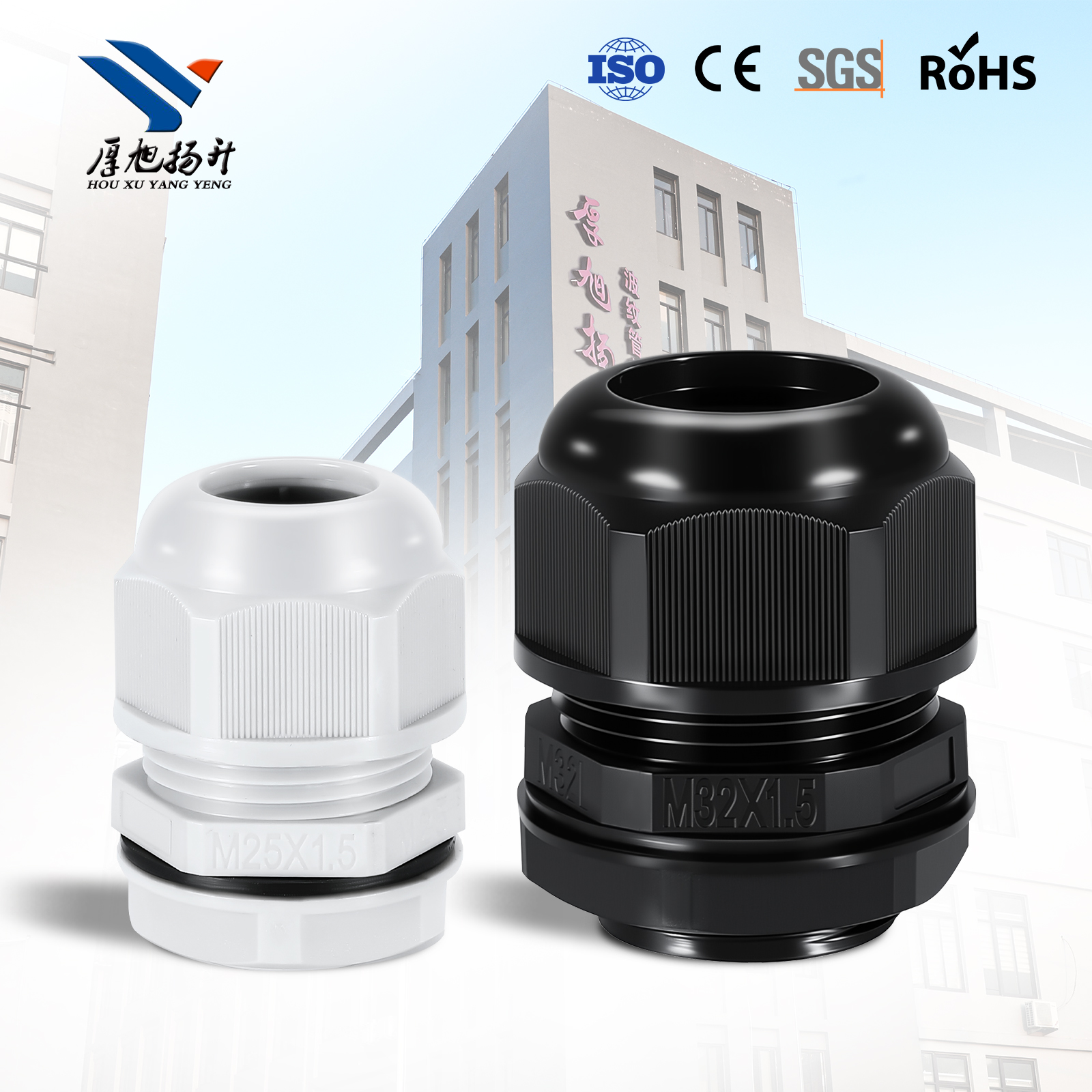
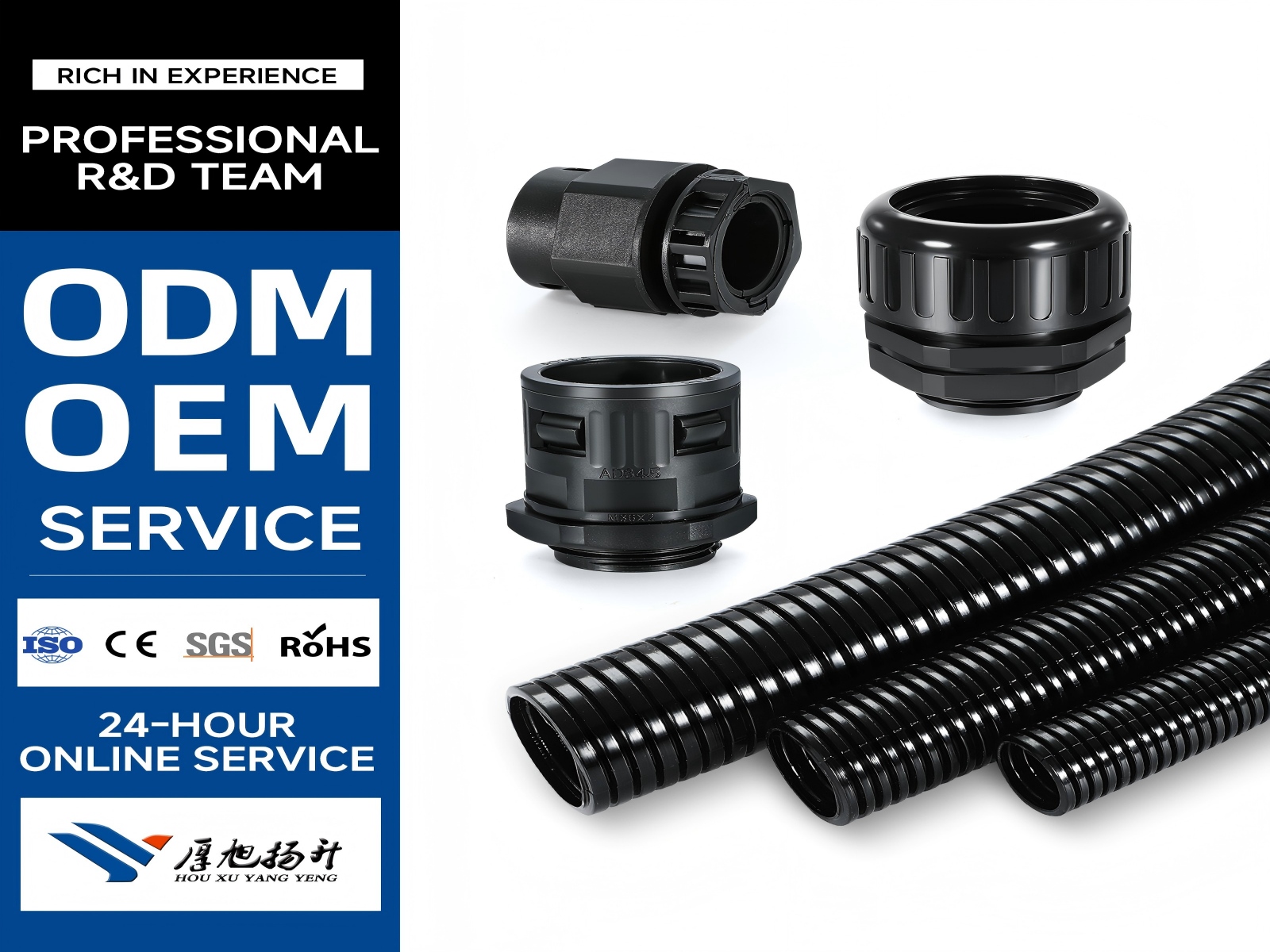
Standard compliance verification should include: ISO 9001 for manufacturing quality, CE marking for EU market access, RoHS for hazardous substance restriction, UL94 V-0 for flame retardant classification, and application-specific standards (EN 45545-2 for railway, ISO 6722 for automotive). A conduit connector with these certifications is suitable for industrial applications across all major sectors.
Frequently Asked Questions
What is the difference between a quick connector and a waterproof conduit connector?
A quick connector features a twist-and-lock or snap-fit mechanism for tool-free installation in seconds and typically provides IP65-IP67 protection — suitable for dry and splash-protected indoor industrial environments. A waterproof connector uses a threaded compression nut with an internal sealing gasket, achieving IP68 rating for continuous immersion applications, and requires a wrench for final tightening.
Can PA66 nylon connectors replace metal connectors in industrial applications?
PA66 nylon connectors can replace metal in approximately 80% of industrial applications. They are lighter, corrosion-resistant, electrically insulating, and 30-50% lower cost. Metal connectors remain necessary where mechanical impact resistance is critical, where EMC bonding continuity is required, or where operating temperatures exceed 125°C.
What thread standards are used for industrial conduit connectors?
The three common standards are Metric (M12-M63, most common in European and Asian equipment), PG (Panzergewinde, traditional German standard still used in some European machinery), and G (British Standard Pipe, common in UK and Commonwealth equipment). Multi-thread compatible connectors accept all three standards, eliminating the need to stock separate connector types.
Are tool-free connectors reliable under industrial vibration?
Quality tool-free connectors with a positive-locking mechanism (audible click on engagement) maintain connection integrity under industrial vibration when correctly installed. The locking mechanism — typically a spring-loaded retaining clip or a quarter-turn cam lock — provides positive mechanical engagement that requires deliberate manual release to disconnect, resisting vibration-induced loosening.
What temperature range is suitable for PA66 conduit connectors?
Standard PA66 conduit connectors operate continuously from -40°C to +100°C. Heat-stabilized PA66 grades extend the upper limit to +125°C for automotive and high-temperature industrial applications. Below -40°C, PA66 becomes brittle and connectors may crack if subjected to impact during installation or service.
How are conduit connectors tested for industrial certification?
Industrial conduit connectors undergo: IP testing per IEC 60529 (dust chamber and water jet/immersion), UL94 flame testing (vertical burn, 10-second flame application), temperature cycling (-40°C to +100°C for 100 cycles minimum), vibration testing per application standard, salt spray testing (ASTM B117, 96-500 hours depending on material), and tensile pull-out testing of the connector-to-conduit interface.