 EN
EN
What Size Corrugated Pipe Do I Need?
Need the right corrugated pipe size? Learn how diameter, ASTM class, burial depth, and hydraulic load determine structural & flow performance. Get expert sizing rules now.
View More
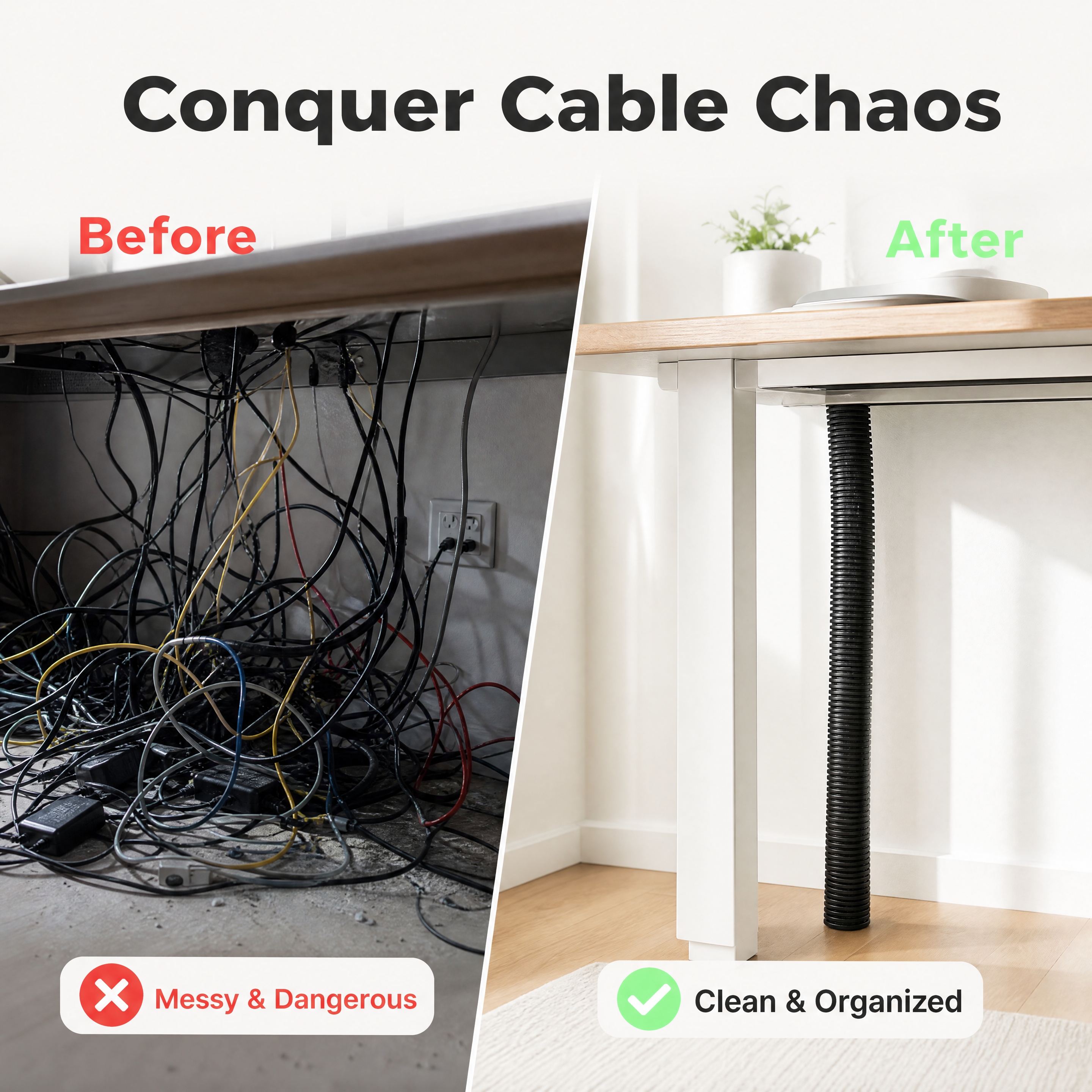
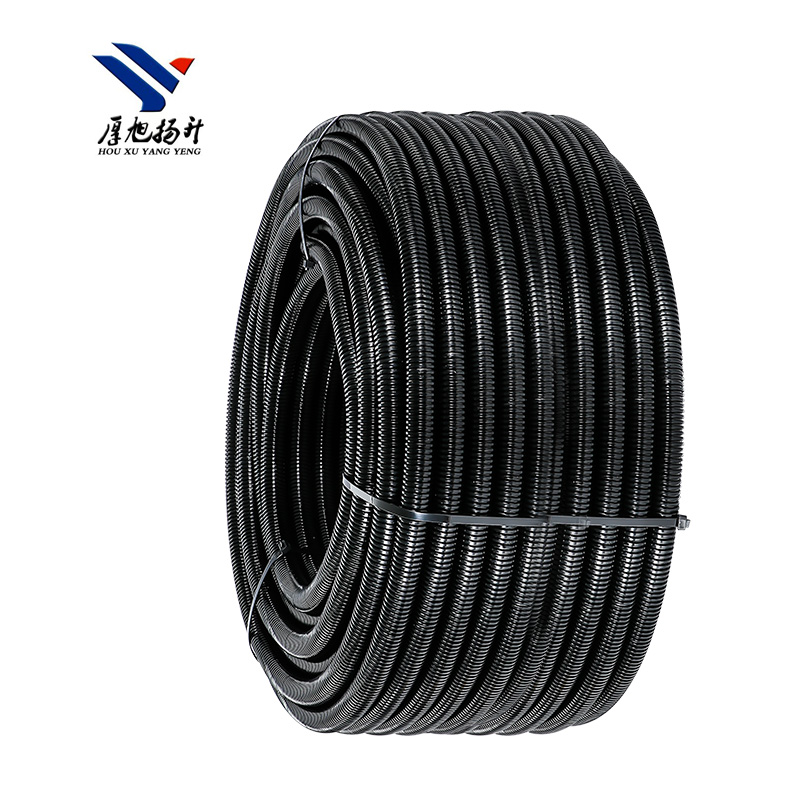
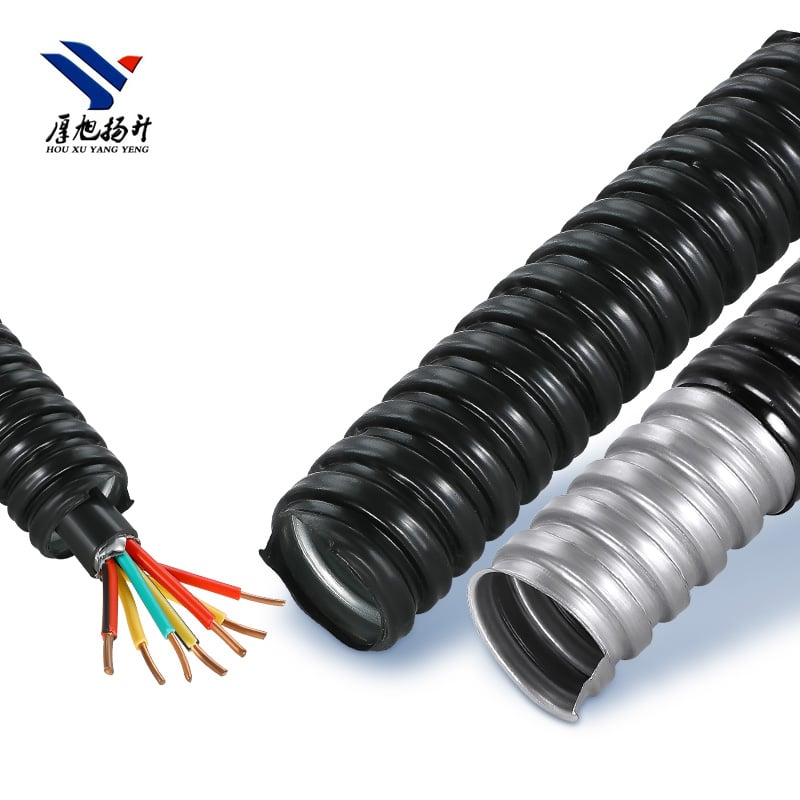
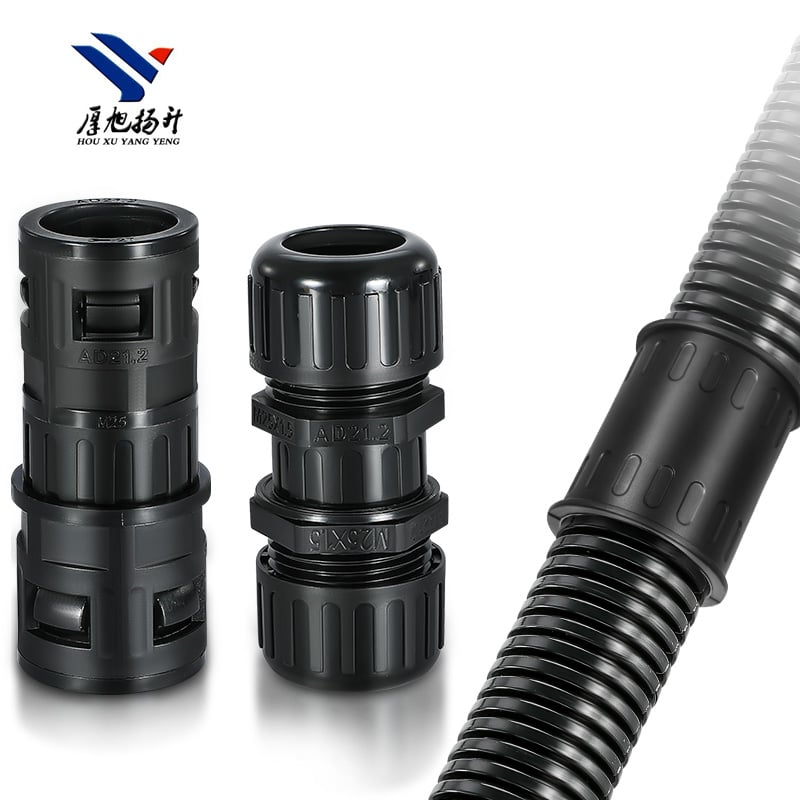
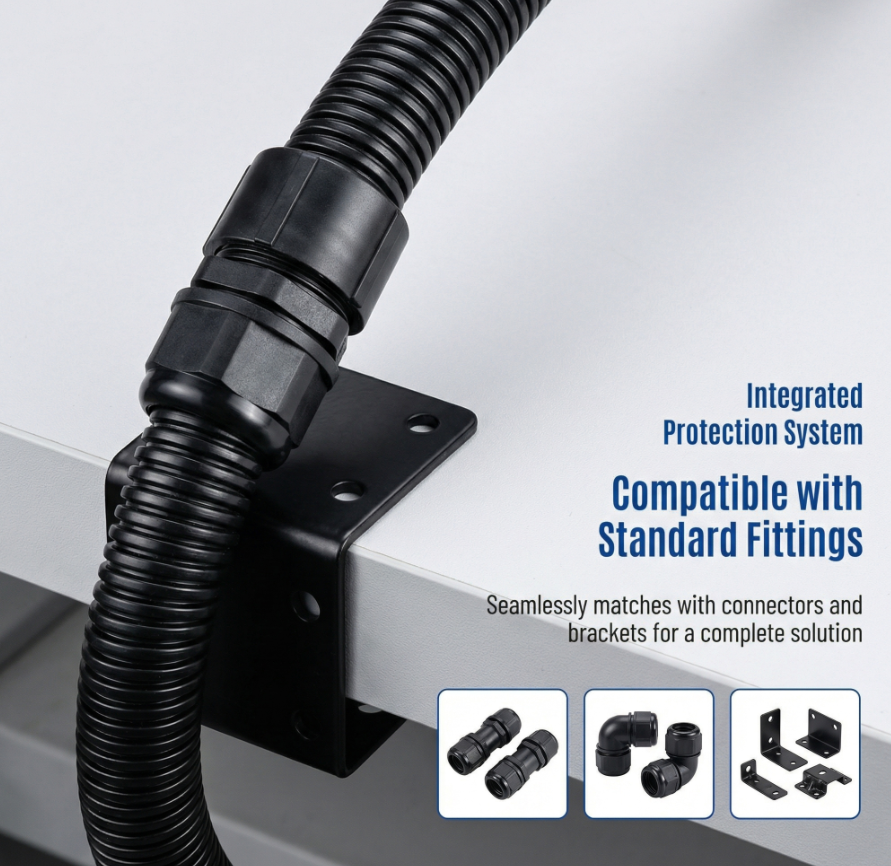
When selecting corrugated conduit sizes, it is essential to consider several factors that influence the effectiveness and safety of your electrical installations. Corrugated conduits serve as protective pathways for electrical wiring, shielding them from physical damage, moisture, and environmental factors. The size of the conduit directly impacts its ability to house wiring securely and efficiently. Typically, corrugated conduits are available in diameters ranging from small (e.g., 10mm) to large (e.g., 50mm or more), which can accommodate various cable sizes. For example, smaller conduits are ideal for automotive applications where space is limited, while larger conduits are suited for industrial settings where multiple cables need to be housed together. Understanding the specific requirements of your project, including the number and type of wires being used, will guide you in selecting the appropriate conduit size. Moreover, the installation environment plays a significant role in determining the right size. For instance, if the conduit is to be installed in areas prone to physical stress or exposure to chemicals, opting for a thicker-walled conduit may be beneficial. Additionally, local regulations and compliance standards should be reviewed to ensure that the selected conduit sizes meet all necessary safety requirements. In summary, corrugated conduit sizes are not merely a matter of preference but a critical aspect of electrical installation that affects safety, durability, and compliance. By choosing the right size, you can enhance the protection of your wiring systems, improve installation efficiency, and ensure long-term reliability, making it a fundamental consideration for any electrical project.
16
Jun
17
Jun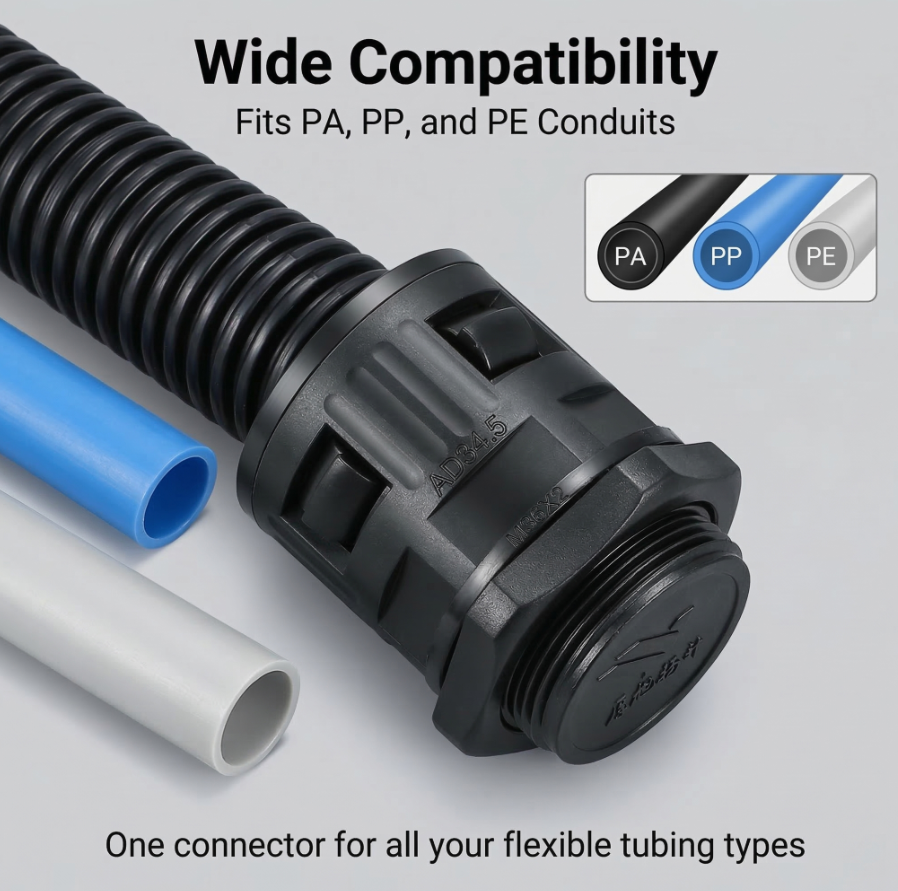
18
Jun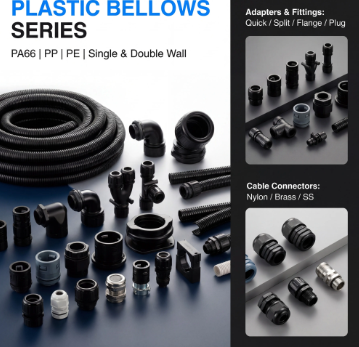
23
Jun