
 EN
EN
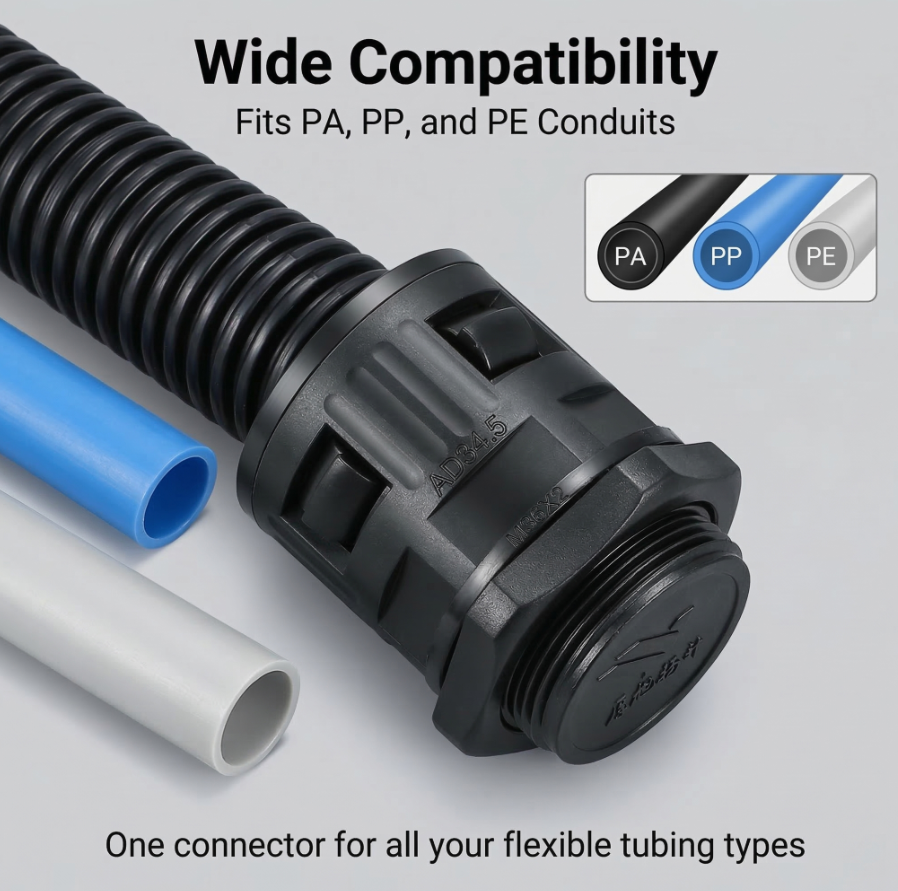
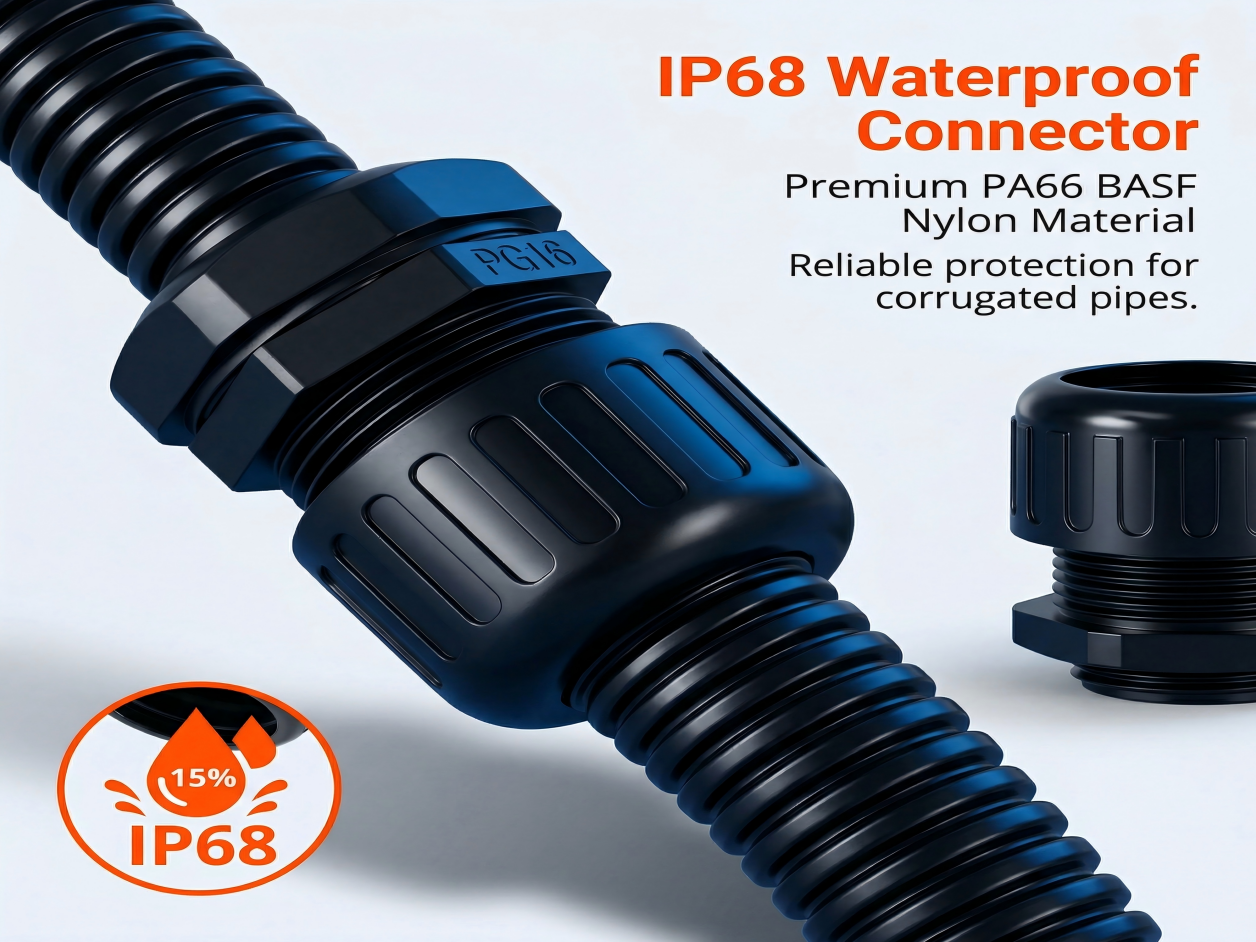
The Critical First Line of Defense
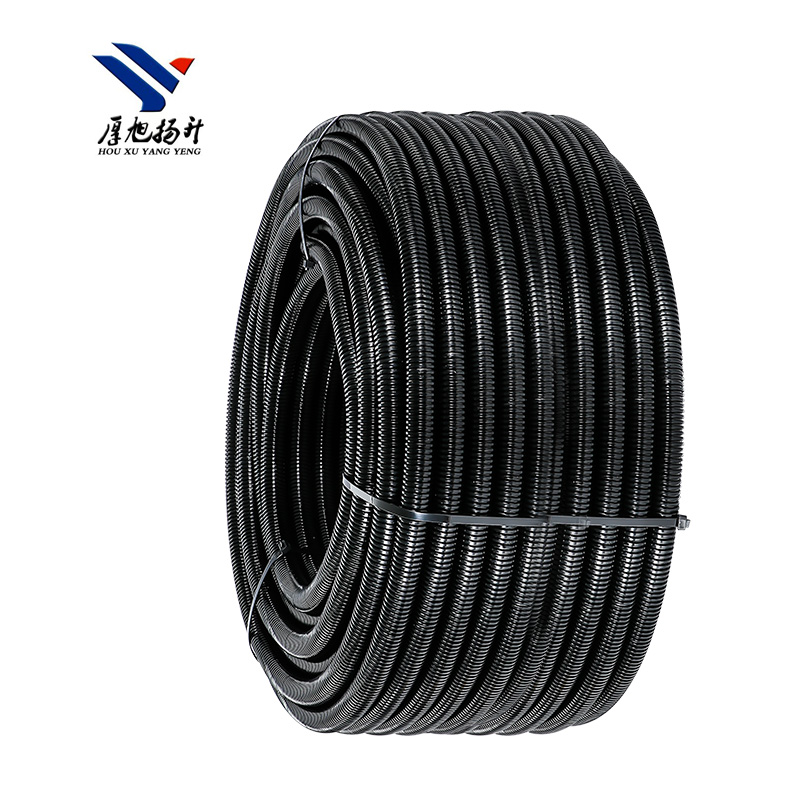
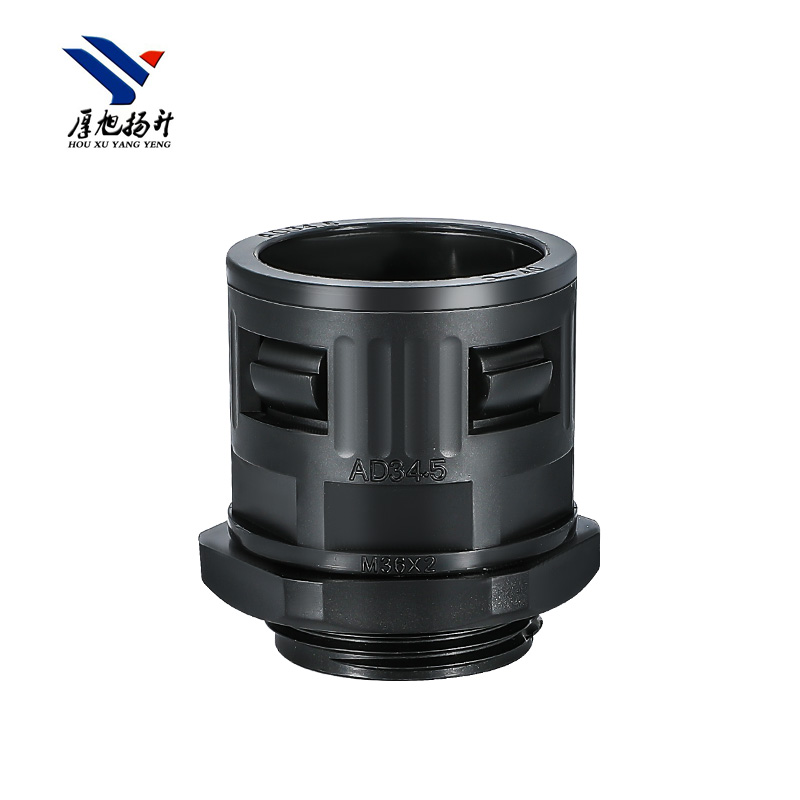
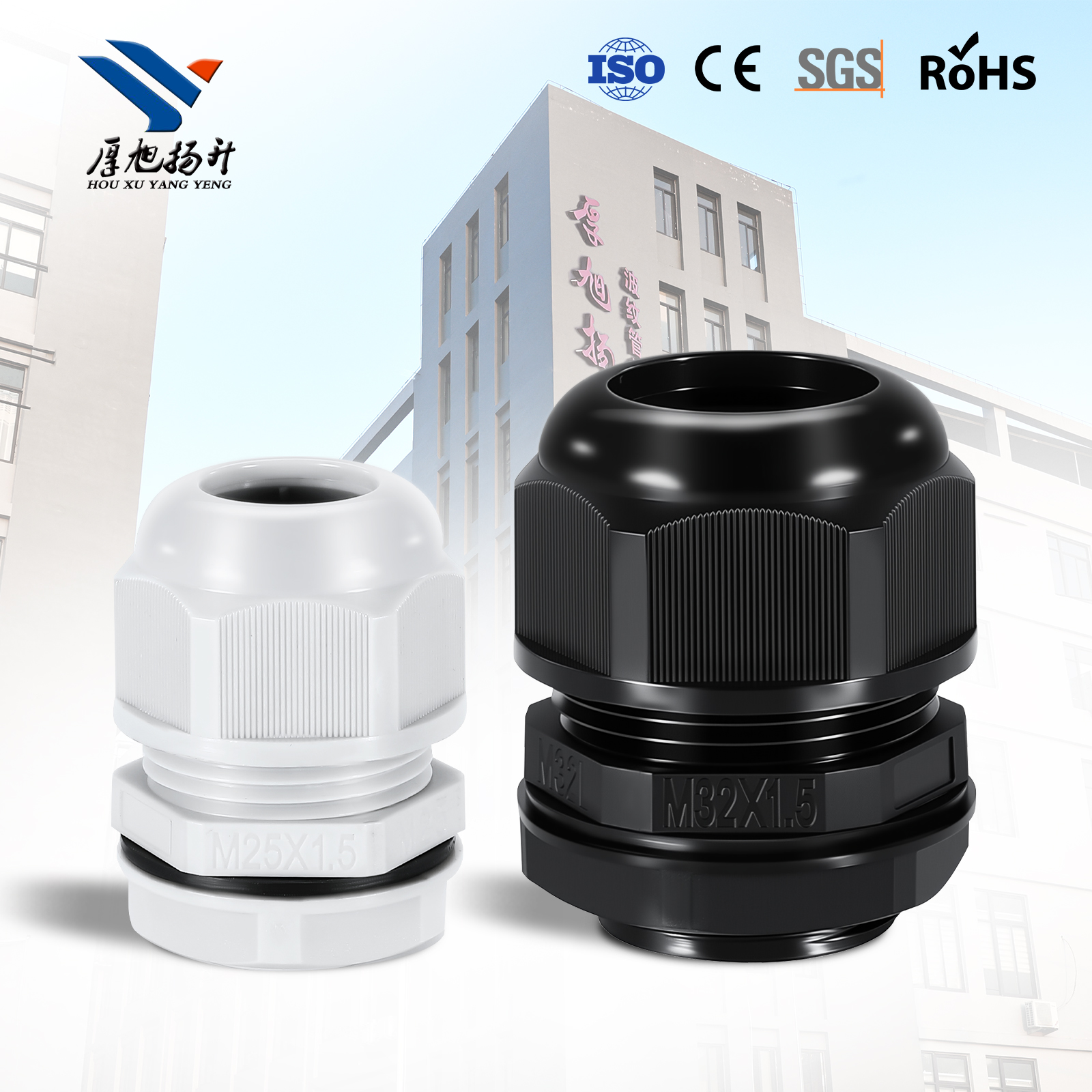
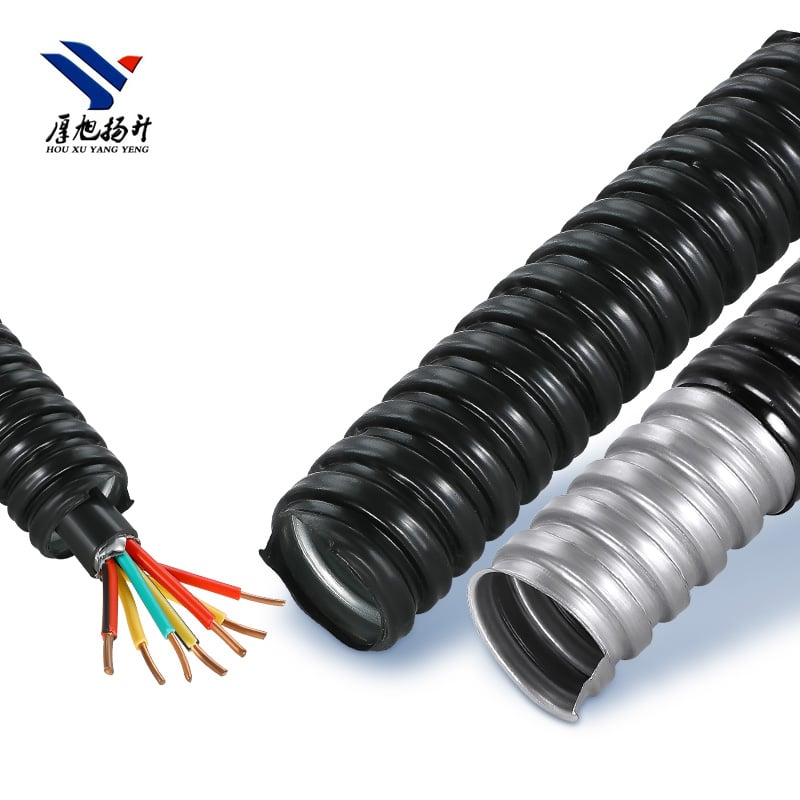
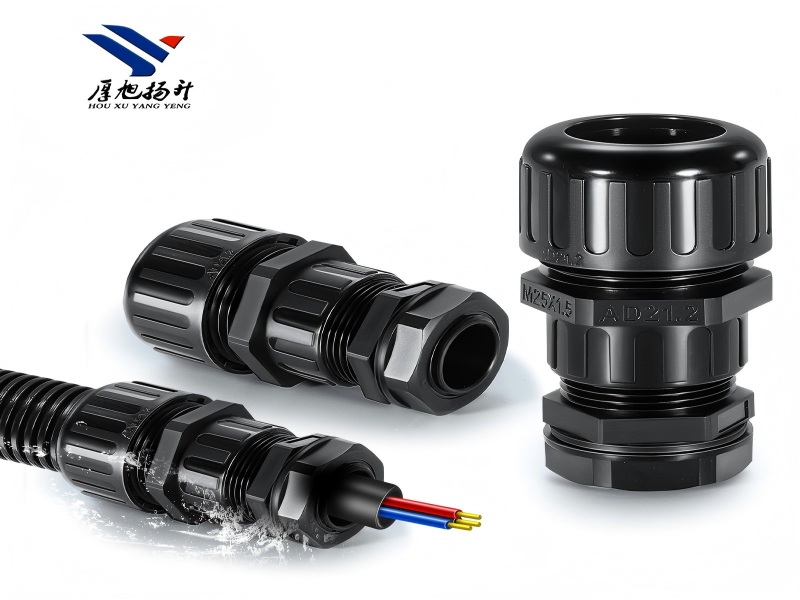
In any industrial control cabinet, the points where cables enter are the most vulnerable zones. If these ports are not properly sealed, dust, moisture, and hazardous vapors will inevitably infiltrate the enclosure, leading to system failure. A high-quality conduit gland is not just an accessory; it is a vital protective barrier for your electrical architecture. Experienced project managers recognize that neglecting these entry points is a direct path to costly downtime. Using a properly rated gland ensures that your internal electronics operate in a controlled environment, shielded from the harsh realities of the factory floor.
Mechanical Integrity and Strain Relief
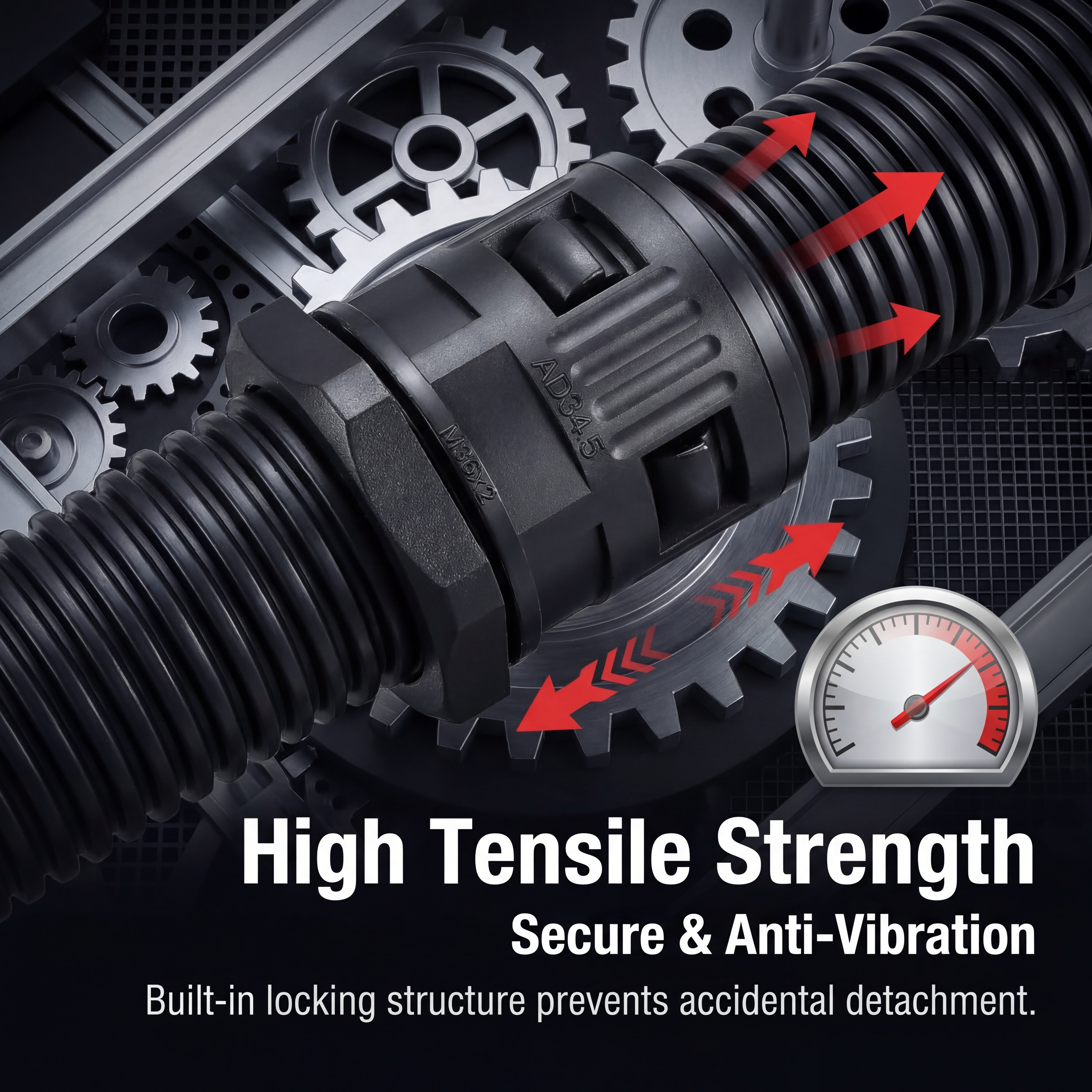
Industrial environments are often defined by heavy vibration. Without proper cable management, the continuous movement caused by heavy machinery can weaken terminal connections, resulting in intermittent signals or catastrophic short circuits. A professionally installed conduit gland provides essential strain relief, clamping the cable firmly to distribute mechanical tension away from the internal wire terminations. This simple yet effective hardware significantly extends the lifespan of your connections and prevents emergency repairs caused by cable pull-out.
Selecting the Right Specification
Matching the material and IP rating to your specific environment is a non-negotiable technical requirement. Use the following guide to identify the ideal conduit gland for your industrial setup.
| Material | Key Advantage | Best Use Case |
| Nickel-Plated Brass | High mechanical strength | Outdoor / Heavy-duty zones |
| Polyamide (Nylon) | Chemical resistance | Corrosive / Indoor chemical environments |
| Stainless Steel | Hygienic / Anti-corrosive | Food & Pharma processing plants |
| IP68 Rated | Waterproof / Dustproof | Utility cabinets / Wash-down areas |
Mastering the Installation Process
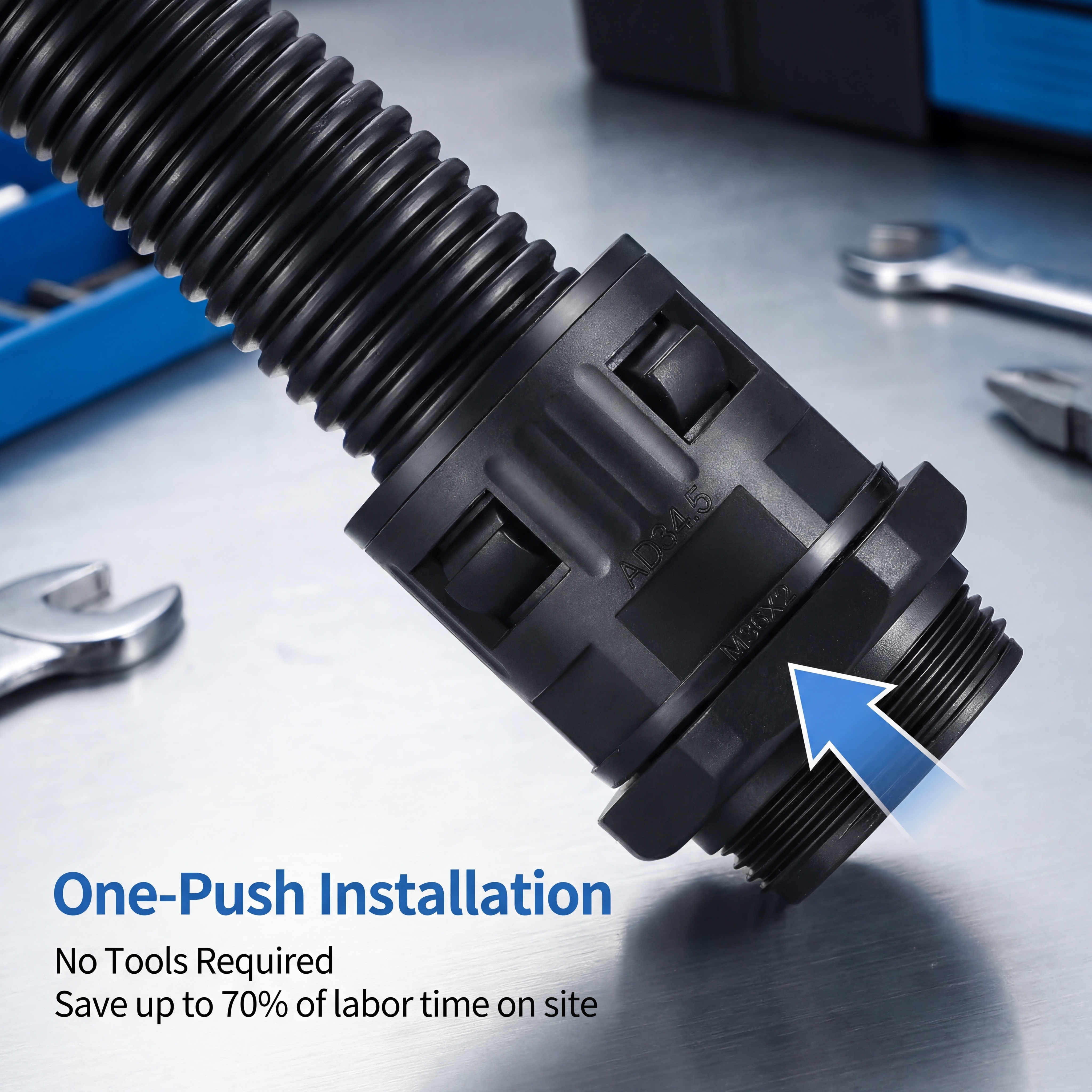
Field experience confirms that most connection failures stem from improper installation torque. Over-tightening can crush the cable jacket, while under-tightening fails to prevent moisture ingress. We recommend using calibrated tools to ensure the gland is seated securely. Additionally, maintaining a proper cable bend radius around the entry point is vital to prevent stress on terminal blocks. Proper assembly is a fundamental aspect of operational safety.
Solving Common Installation Hazards
Even seasoned technicians occasionally overlook details. Refer to this troubleshooting guide to optimize your cabinet integrity.
| Hazard | Root Cause | Professional Fix |
| Condensation Build-up | Inadequate port sealing | Replace with an IP68-rated gland and gasket |
| Cable Slippage | Worn or improper insert | Verify cable diameter; replace with correct insert |
| Corroded Terminals | Vapor Ingress | Upgrade to stainless steel with O-ring seals |
The Topsolithos Advantage
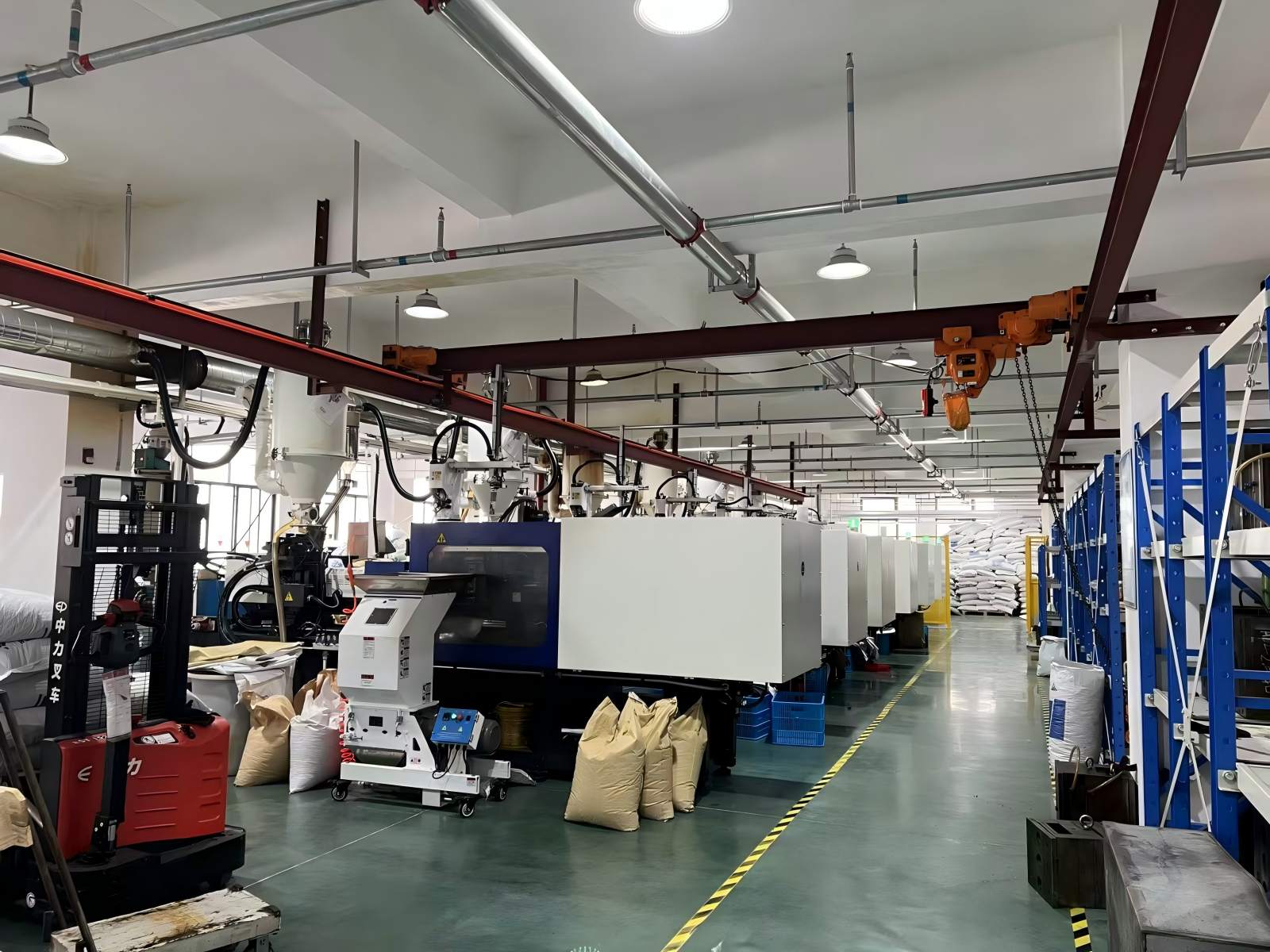
Consistency is the cornerstone of stable industrial infrastructure. Topsolithos has earned a global reputation by manufacturing high-precision hardware that adheres to the most rigorous international standards. As a direct factory manufacturer, Topsolithos manages a sophisticated supply chain to ensure every batch of conduit gland components features uniform quality, perfect thread alignment, and superior seal integrity. Partnering with a manufacturer dedicated to engineering excellence ensures your industrial investments are protected by the most reliable technology available today.
Frequently Asked Questions (FAQ)
-
Q: Can I use plastic glands for all industrial cabinets?
-
A: No. Harsh environments require metallic or stainless steel glands to resist chemical corrosion and mechanical impact.
-
-
Q: What does the IP rating on a gland mean?
-
A: The IP rating indicates the level of protection against solid particles (dust) and liquids (water). Always verify the rating meets your environmental needs.
-