 EN
EN
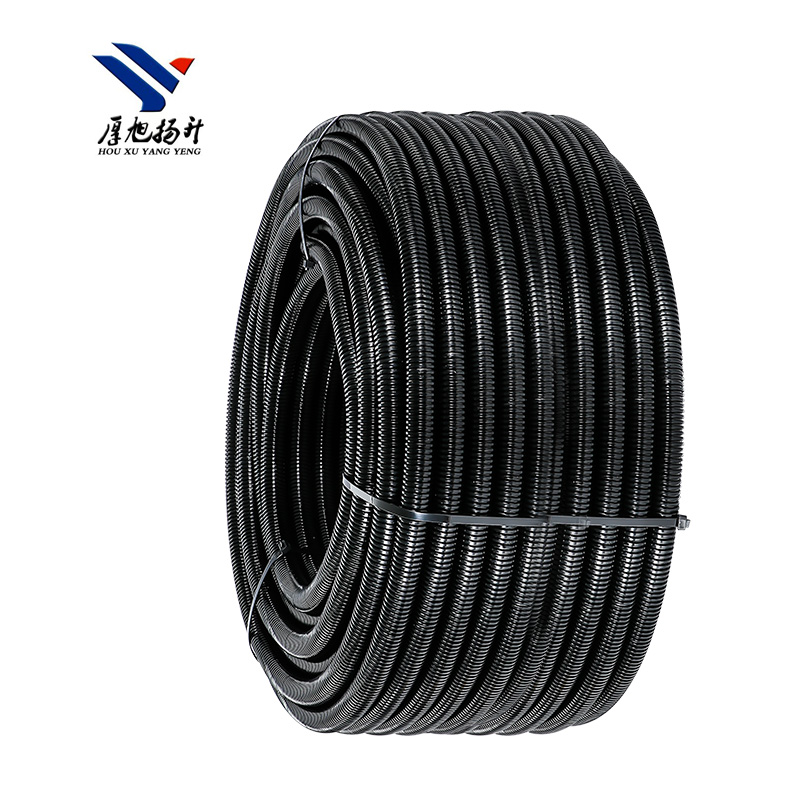
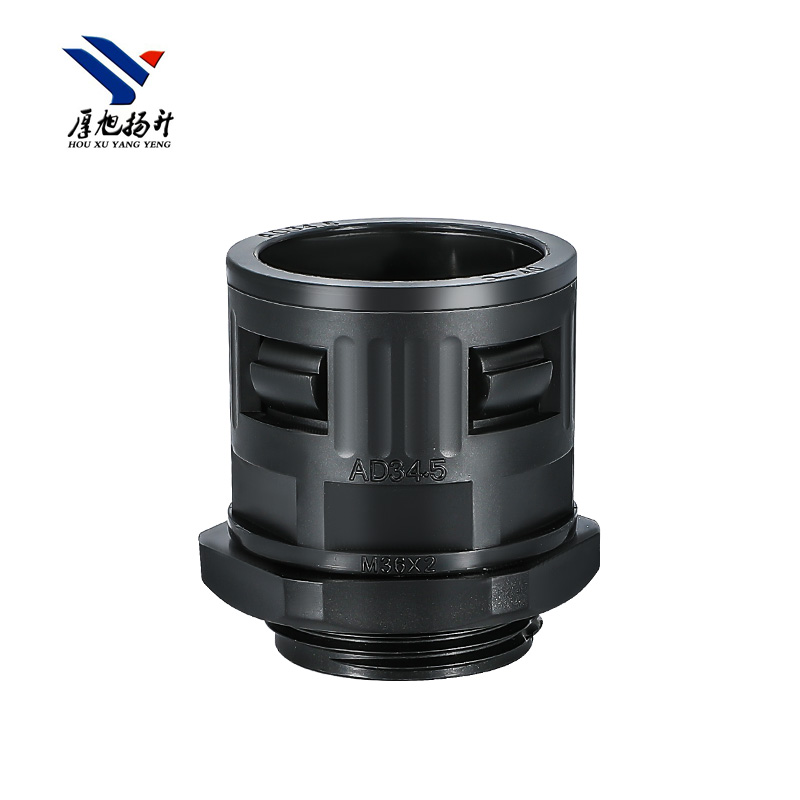
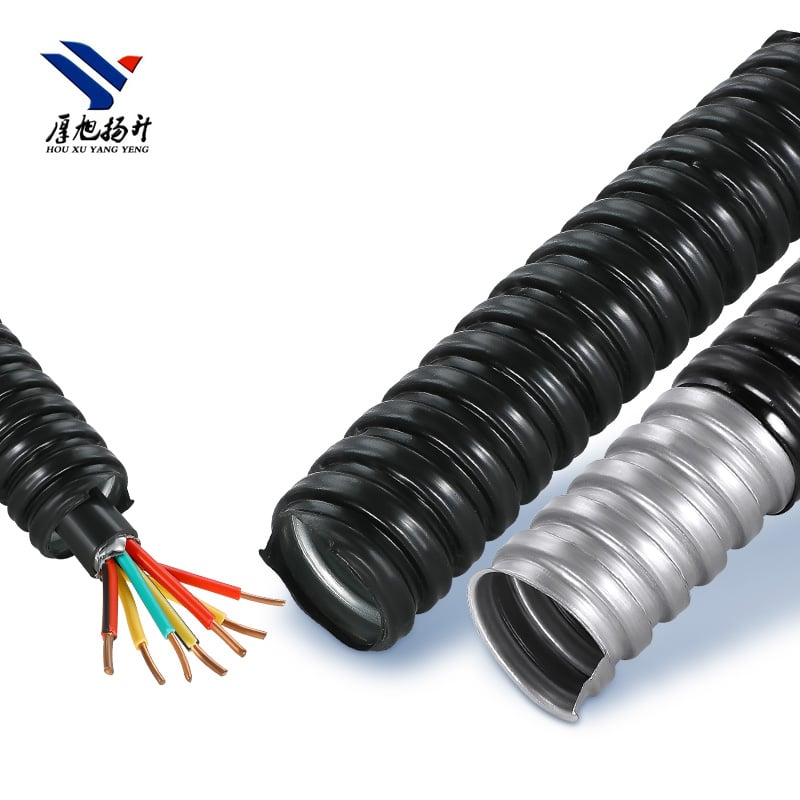
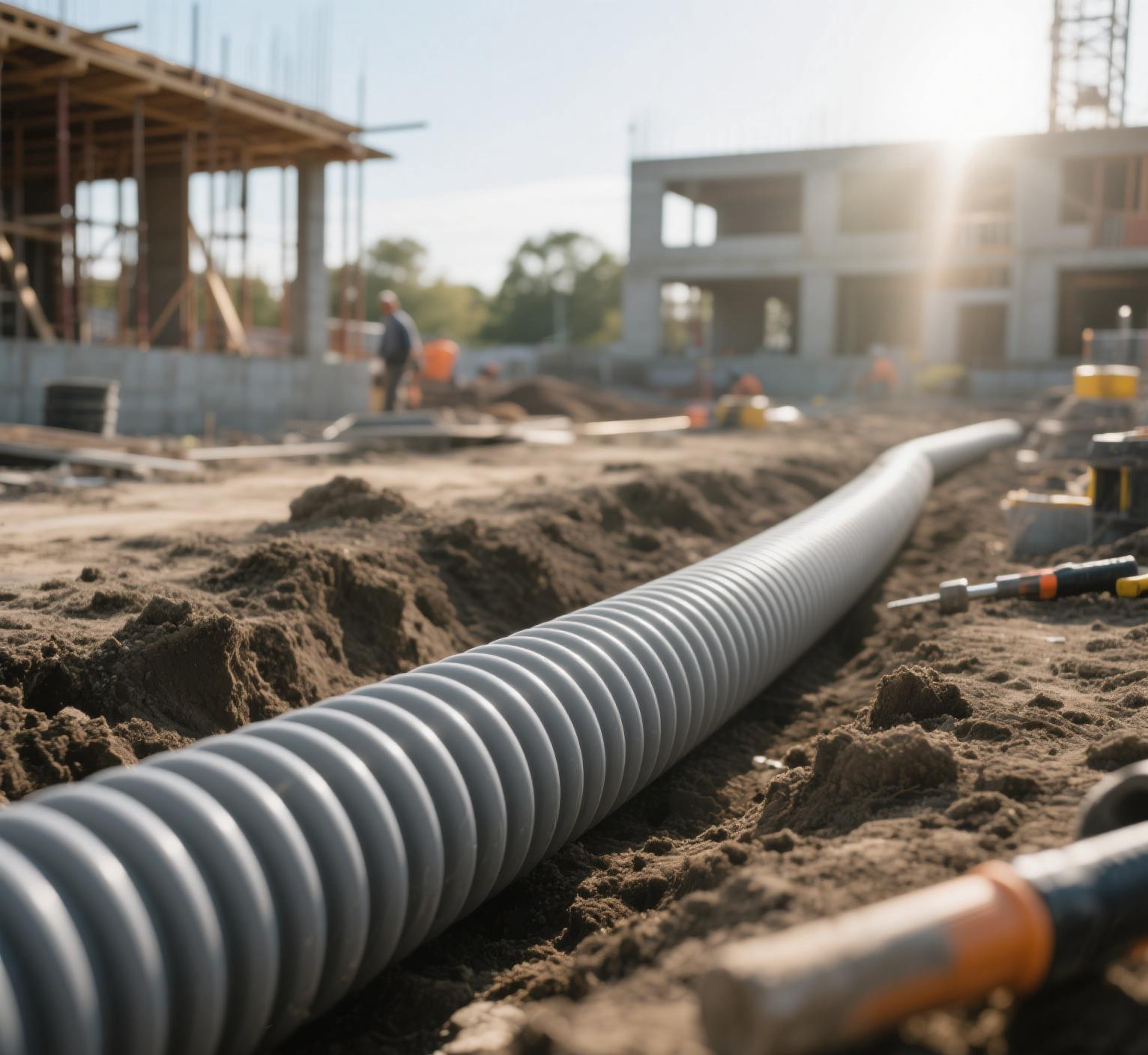
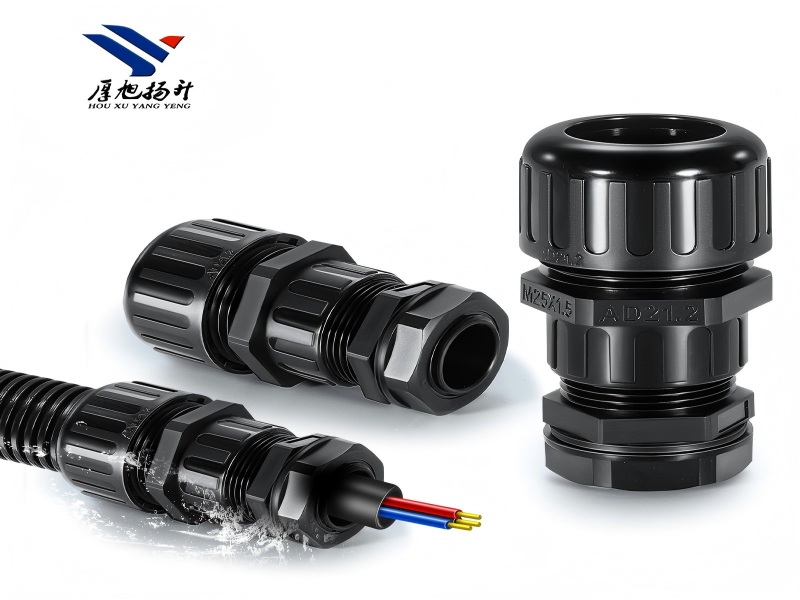
In the world of electrical installation, the unsung hero is often the path through which power flows. While wires carry the energy, it is the protection surrounding them that determines the lifespan and safety of a system. Many installers view flexible conduit simply as a convenient way to navigate tight corners, but in reality, it serves as a critical safety barrier. By shielding conductors from physical stress, environmental hazards, and mechanical vibration, flexible conduit systems prevent the degradation that leads to short circuits and fire hazards. Understanding this protection is vital for anyone responsible for long-term facility maintenance.
The Mechanical Advantage of Flexibility
Rigid piping has its place, but it struggles in dynamic environments where machines vibrate or buildings settle over time. Rigid materials can crack under these micro-stresses, potentially pinching wires or leaving them exposed. Flexible conduit, by contrast, acts as a shock absorber. It gracefully accommodates movement, preventing the work-hardening of copper conductors that occurs when wires are constantly subjected to vibration. By maintaining a buffer between the wire and the surrounding structure, flexible conduit effectively eliminates mechanical fatigue, which is a primary, yet often overlooked, precursor to electrical failure in industrial settings.
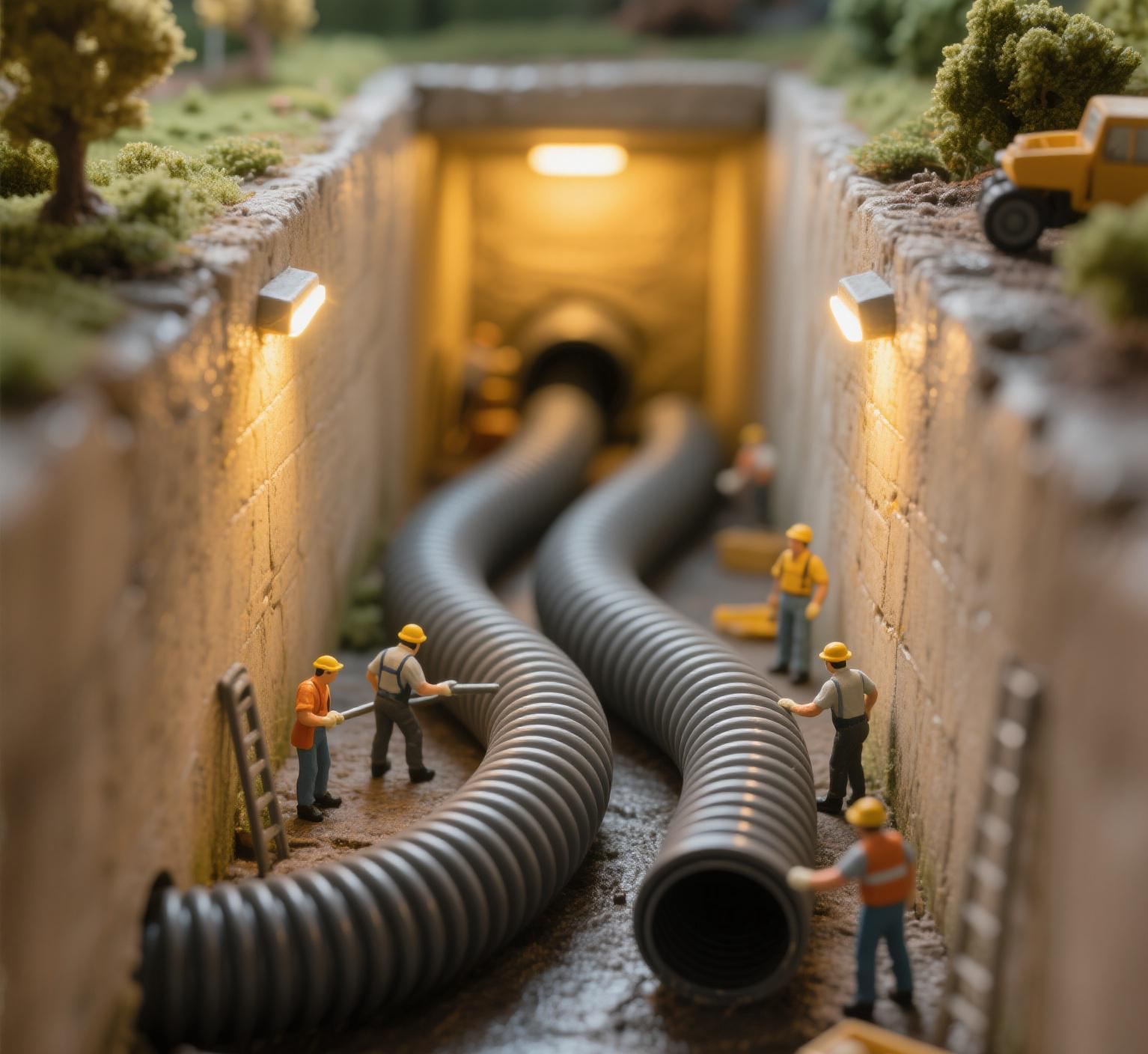
Environmental Shielding and Hazard Mitigation
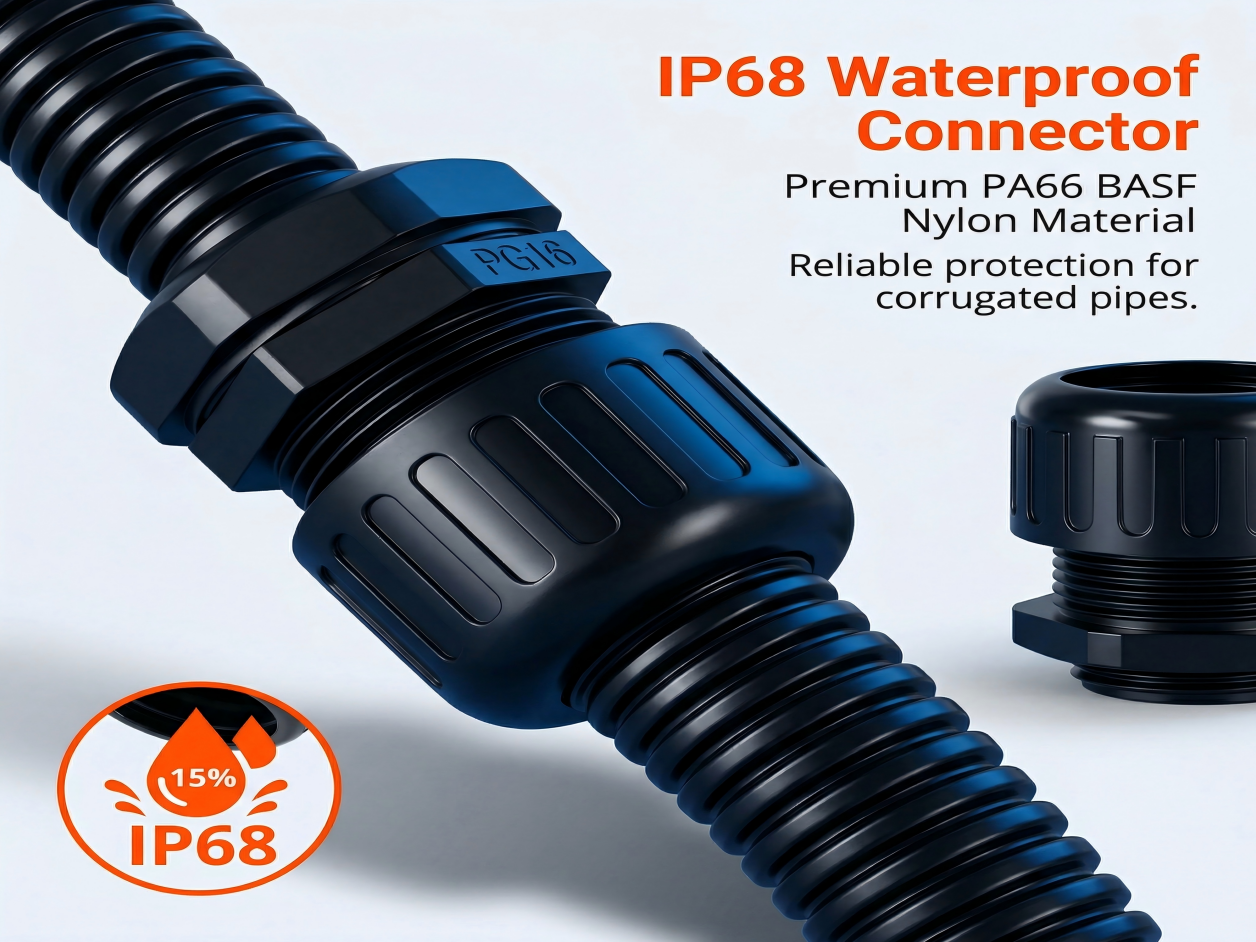
Beyond mechanical stress, cables face a barrage of environmental threats—moisture, corrosive fumes, oils, and physical abrasion. In hazardous locations, a compromise in the cable insulation is not just a nuisance; it is a serious safety risk. Flexible conduit provides an airtight and liquid-tight seal that isolates the electrical path from these external stressors. Whether it is an outdoor installation facing UV degradation or a factory floor prone to chemical spills, the conduit creates a controlled micro-environment. This insulation-layer strategy ensures that the wiring remains in its "factory new" condition for the entire lifecycle of the installation.
|
Hazard Type |
Protection Mechanism |
Safety Impact |
|
Mechanical Vibration |
Vibration damping/Absorption |
Prevents wire fatigue and cracking |
|
Moisture/Liquid |
Liquid-tight seal |
Eliminates shorts and oxidation |
|
Physical Abrasion |
Impact-resistant jacket |
Prevents insulation stripping |
Operational Longevity and Compliance
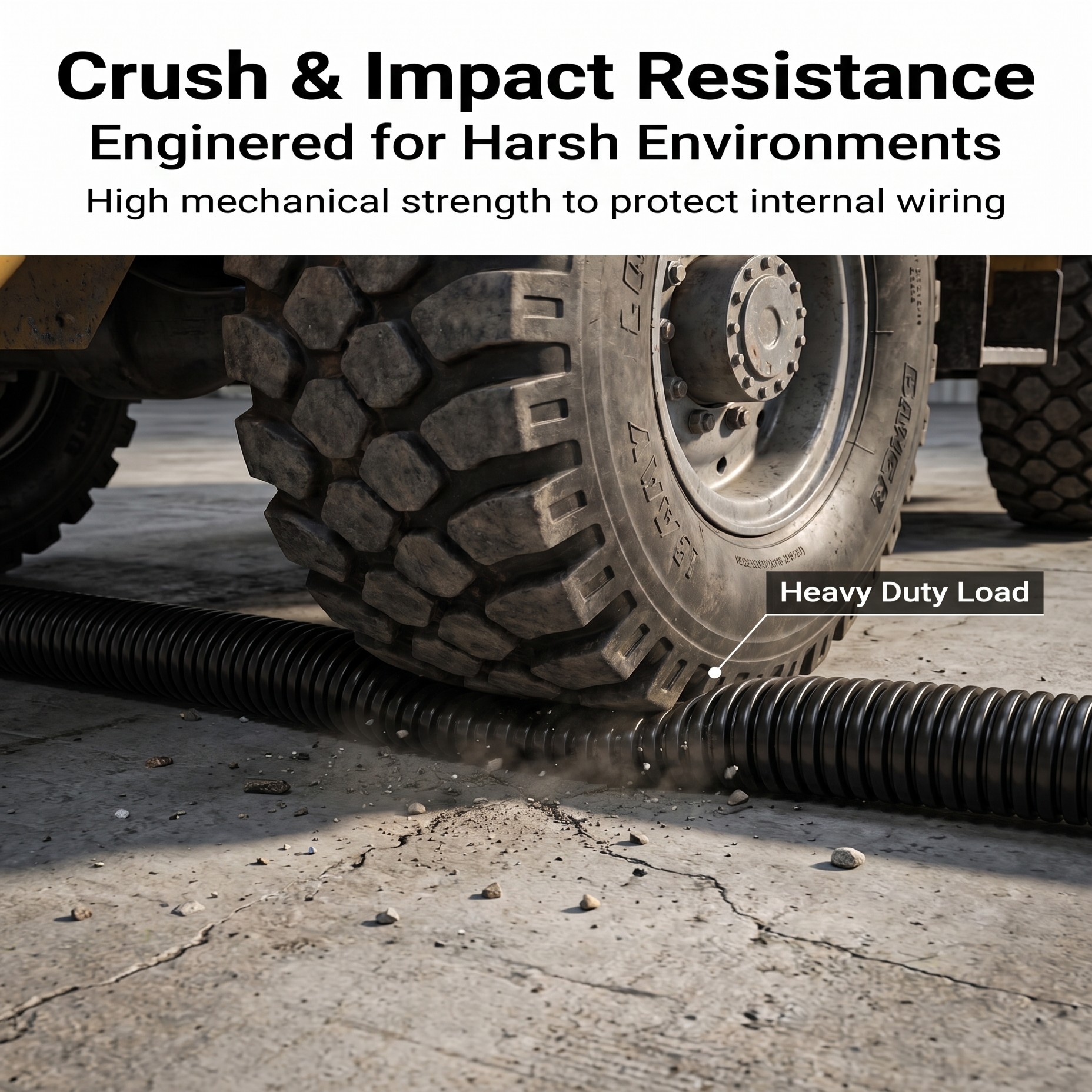
Selecting the right type of conduit is where professional experience meets regulatory necessity. Metal-core flexible conduit offers superior crush resistance for heavy machinery areas, while nylon or PVC-based conduits are ideal for chemical environments where rust is a concern. Using the correct conduit ensures compliance with global electrical safety codes and dramatically reduces the total cost of ownership. Instead of frequent, costly rewiring efforts caused by damaged conductors, facilities that implement a robust conduit strategy enjoy decades of trouble-free performance.
|
Conduit Material |
Best Use Case |
Performance Strength |
|
Steel/Metal-Core |
Industrial/Heavy-Duty |
High crush resistance |
|
Non-Metallic/Nylon |
Chemical/Corrosive |
Chemical immunity & flexibility |
|
Liquid-Tight PVC |
Outdoor/Wet Areas |
Environmental sealing |
Engineering Excellence and Supply Chain Support
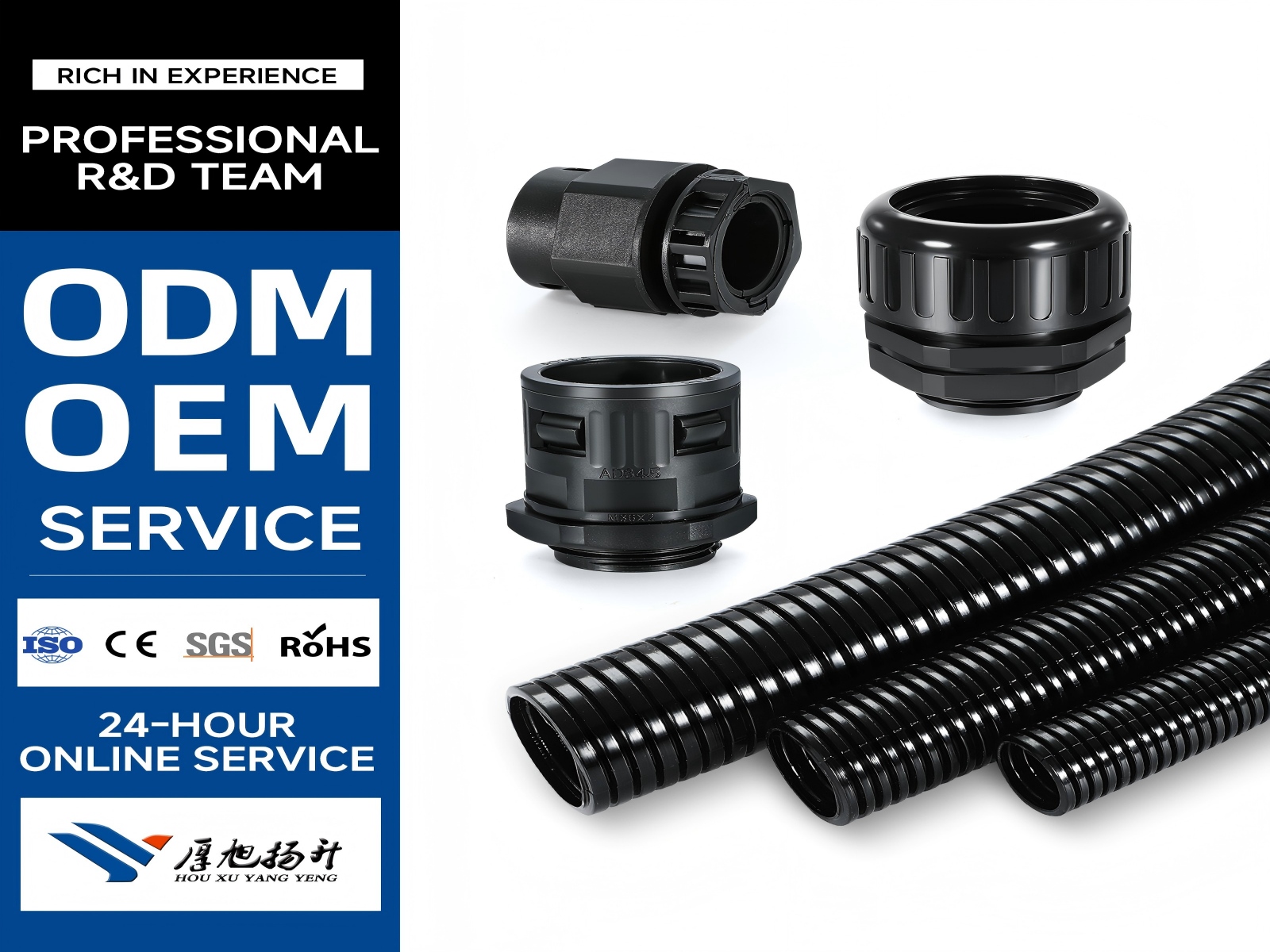
Ensuring the highest level of safety requires equipment that meets stringent manufacturing standards. Topsolithos excels in delivering high-resilience conduit solutions designed to withstand the most demanding operational conditions. By focusing on advanced material science and rigorous quality testing, Topsolithos provides products that not only meet but exceed safety benchmarks for both commercial and industrial applications. Their ability to manage a reliable, high-volume supply chain ensures that project timelines remain intact while maintaining the highest integrity of electrical hardware.
Securing the Future of Electrical Reliability
Investing in premium conduit is an investment in the safety of a facility and everyone working within it. When electrical systems are protected by proven, flexible conduit technologies, the risk of unexpected downtime due to shorts or failures is drastically minimized. Partnering with a specialist like Topsolithos provides the technical assurance needed to build resilient electrical pathways. By treating wiring protection as a strategic safety component rather than a commodity expense, businesses can ensure their infrastructure remains robust, efficient, and above all, safe for years to come.