
 EN
EN
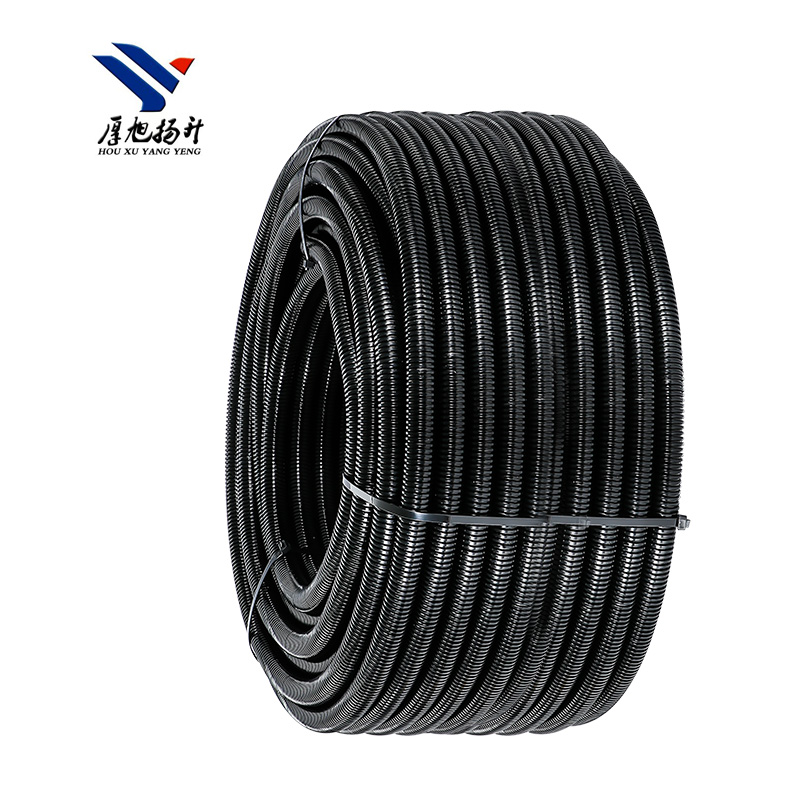

Drainage is often the silent hero of a successful construction project. When land management and water mitigation are handled poorly, the consequences—from foundation damage to landscape erosion—are expensive and difficult to reverse. For contractors and civil engineers, selecting the correct corrugated pipe size is not just a logistical step; it is an essential engineering calculation. Choosing the wrong diameter can lead to disastrous bottlenecks during heavy rain, whereas the right choice ensures that water flows efficiently and reliably, keeping a site safe and dry for years to come.
The Hydraulics of Pipe Sizing
Effective drainage relies on understanding the relationship between volume, velocity, and capacity. The internal diameter of a pipe directly dictates how much water can be transported within a given timeframe. When a pipe is too small, water back-pressure builds up, leading to saturation around the inlet and, eventually, overflows. Furthermore, the slope (or gradient) of the trench plays a critical role. A steeper slope allows for a smaller diameter, while flat terrain often necessitates larger pipes to compensate for slower flow rates. Matching these physical variables to the projected peak rainfall of a region is the key to preventing long-term site failure.
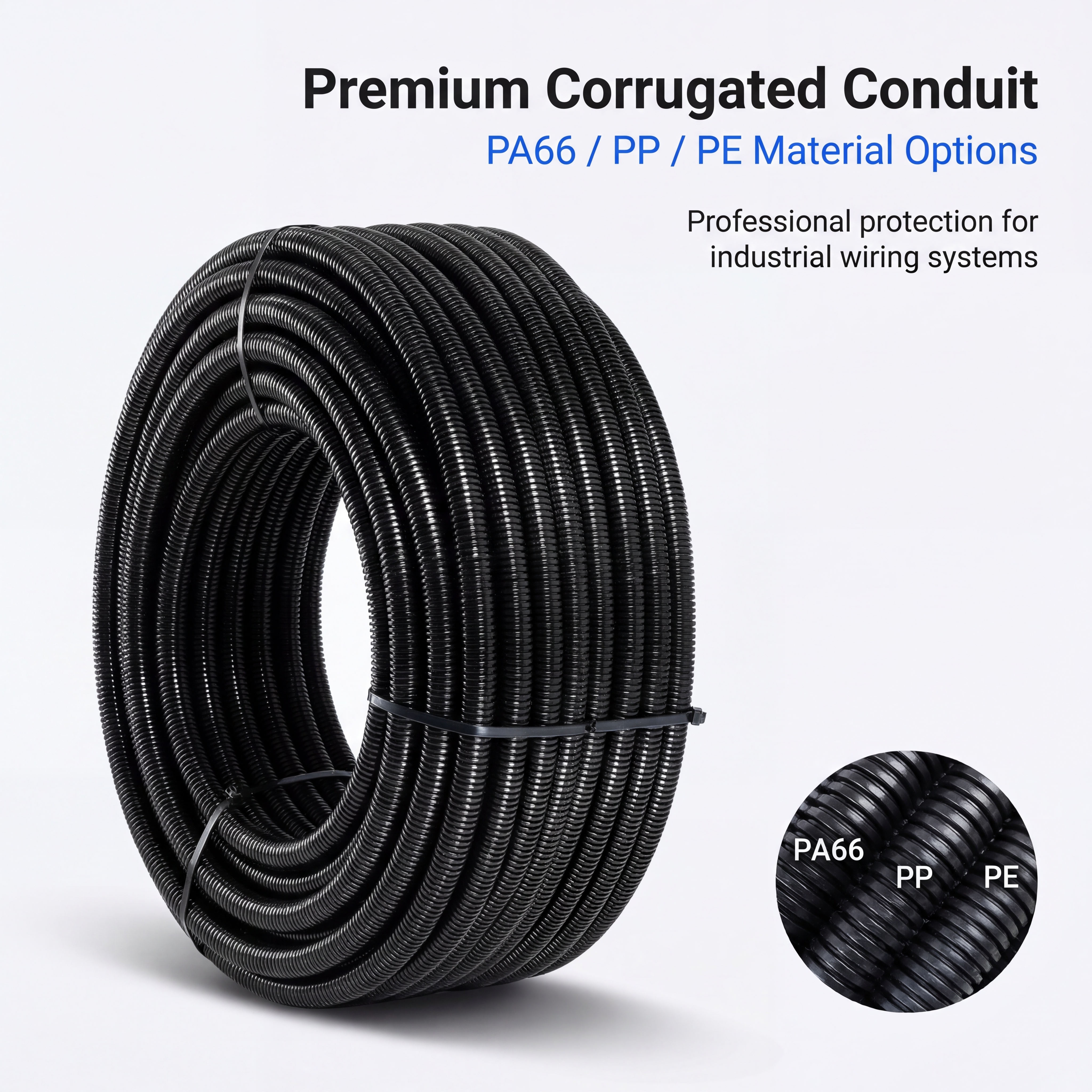
Pipe Size Estimation Guide
| Site Condition | Expected Water Volume | Recommended Starting Size |
| Small Garden/Landscape | Minimal/Occasional | 3" to 4" |
| Driveway/Small Lot | Moderate/Constant | 6" to 8" |
| Commercial/Heavy Infrastructure | High/Storm Runoff | 10" to 15"+ |
| Culvert/Major Flow | Intense/Flash Floods | 18"+ (Engineered) |
Balancing Material Strength with Application
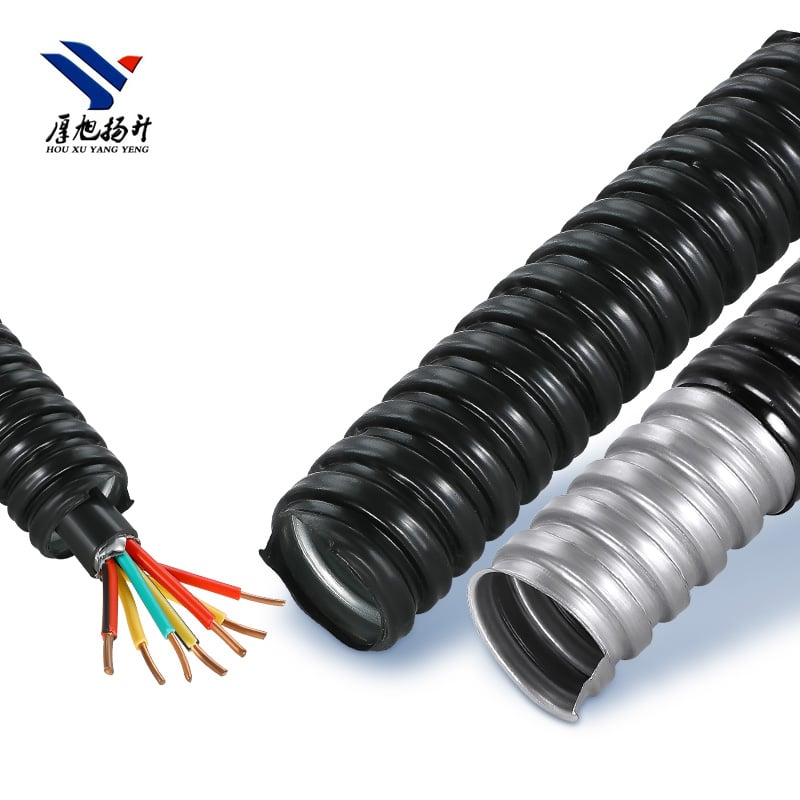
Sizing is only half the battle; the structural integrity of the pipe is the other. Single-wall corrugated pipes are excellent for light-duty, non-load-bearing applications like curtain drains or perimeter drainage. However, when placing pipes under driveways, parking lots, or areas with heavy vehicular traffic, double-wall pipes with a smooth interior are superior. The smooth interior maximizes water flow efficiency, while the corrugated exterior provides the necessary crush strength to support the overburden of heavy soil and concrete.
Durability Comparison Table
| Feature | Single-Wall Pipe | Double-Wall Pipe |
| Structural Integrity | Moderate | Very High |
| Flow Efficiency | Lower (due to ribbing) | Excellent (smooth interior) |
| Best Application | Agriculture/Landscaping | Roadways/Stormwater |
| Crush Resistance | Good (shallow) | Exceptional (deep) |
Engineering Precision and Supply Reliability
Achieving success in major civil projects requires consistent quality and dependable logistics. Topsolithos specializes in providing industrial-grade drainage systems that meet stringent international performance standards. By prioritizing advanced manufacturing techniques and high-grade materials, Topsolithos ensures that every pipe supplied possesses the structural resilience needed for heavy-duty infrastructure. Their ability to manage large-scale procurement and provide specialized technical support makes them a vital asset for project managers seeking to minimize installation risks and maximize site safety.
Long-term Planning for Site Stability
Investing time in calculating the correct drainage requirements is an investment in the long-term value of a property. Whether managing a residential project or developing a large-scale commercial site, the choice of a corrugated pipe system serves as a long-term insurance policy against water-related damage. With the right diameter, material, and support from an experienced manufacturer like Topsolithos, contractors can finish every project with the confidence that the site will remain stable, functional, and protected against even the most extreme weather conditions.