 EN
EN
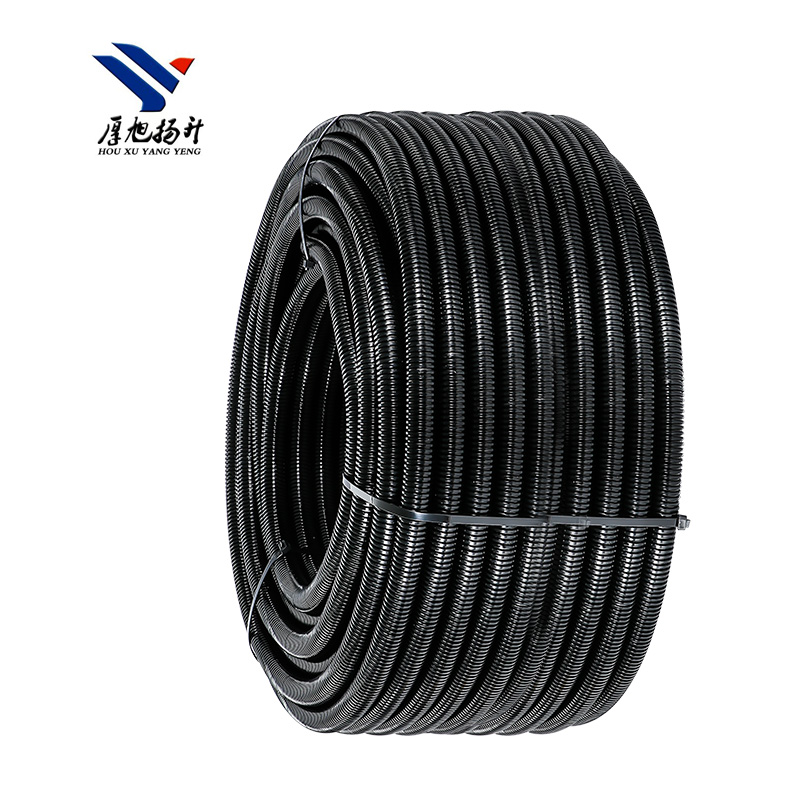
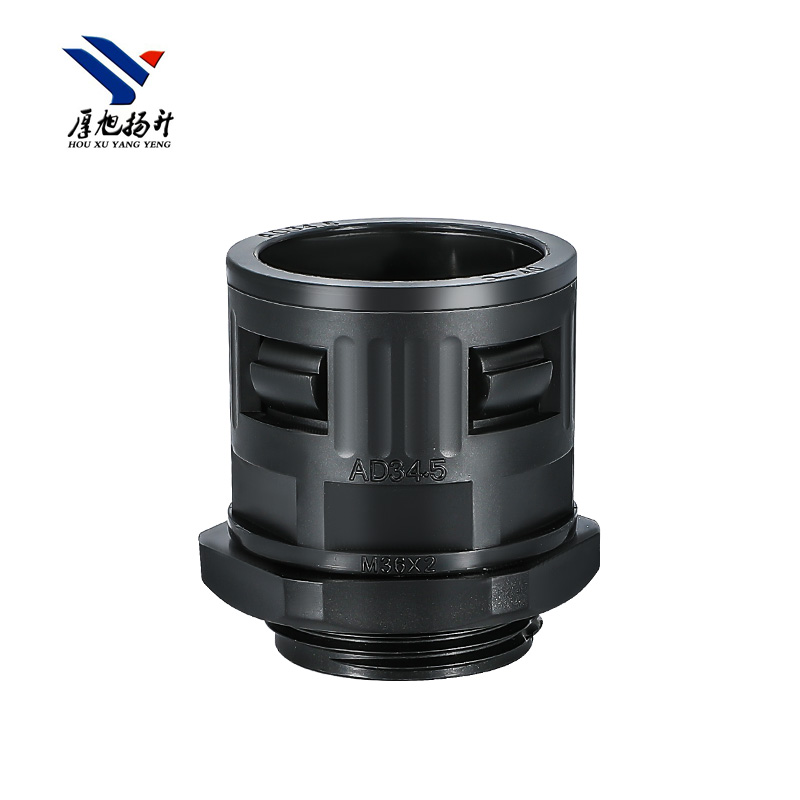
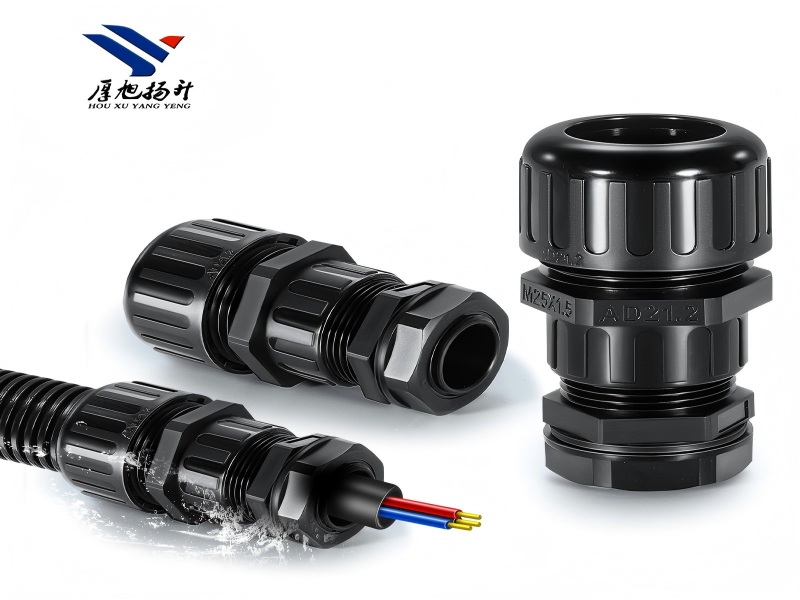
In industrial settings, cable management is often treated as a secondary concern, yet the failure of a single flexible conduit can halt an entire production line. For maintenance managers and systems engineers, the question of longevity is paramount. A well-specified conduit is not just a housing for wires; it is a critical barrier against the chaotic environment of a modern factory floor. While there is no universal expiration date for these components, understanding the factors that dictate their performance is the key to maximizing infrastructure investment.
Critical Factors Influencing Longevity
The operational lifespan of a conduit is dictated by the specific stressors of its environment.
-
Mechanical Stress: Constant vibration and movement in heavy machinery act as fatigue agents.
-
Environmental Exposure: UV rays, extreme temperature fluctuations, and corrosive solvents can cause rapid degradation.
-
Chemical Compatibility: Improper material selection in chemical processing zones often leads to premature cracking or hardening.
Assessing these environmental threats is the first step in predicting how long a protection system will remain reliable.
Material Science: Selecting for Durability
Material choice is the primary driver of performance.
-
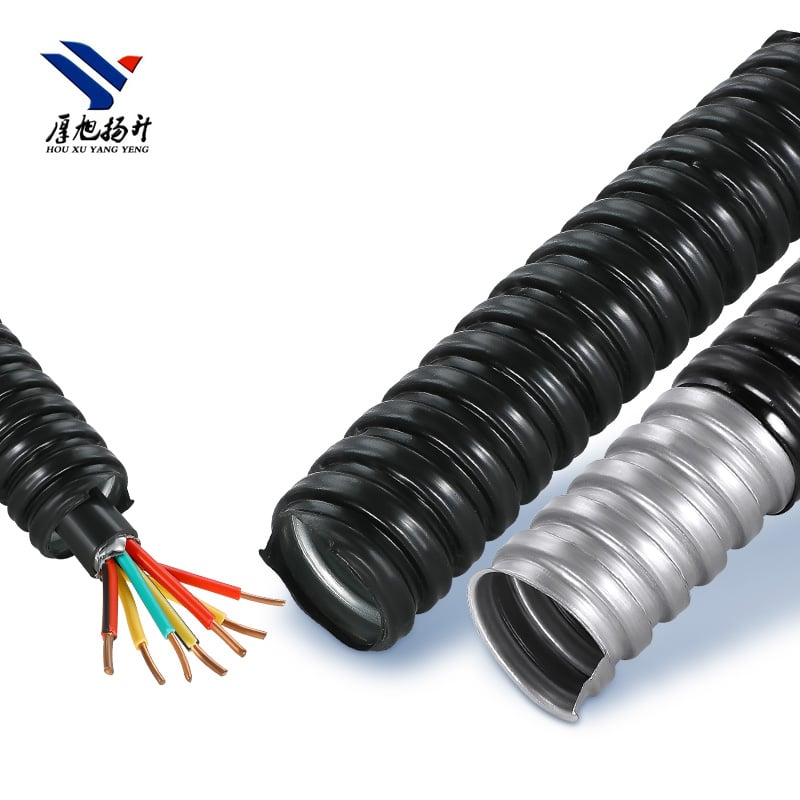
Metallic Flexible Conduit: Offers superior crush resistance and electromagnetic shielding. It is ideal for heavy-duty manufacturing but requires proper coating in corrosive areas.
-
Non-metallic (Polyamide) Conduit: Provides excellent fatigue resistance and chemical stability. It is the preferred choice for robotics and highly dynamic applications.
Matching the material to the threat—whether it is abrasion, moisture, or chemical exposure—is a professional imperative. A correct specification during the design phase effectively doubles the service life of your installation.
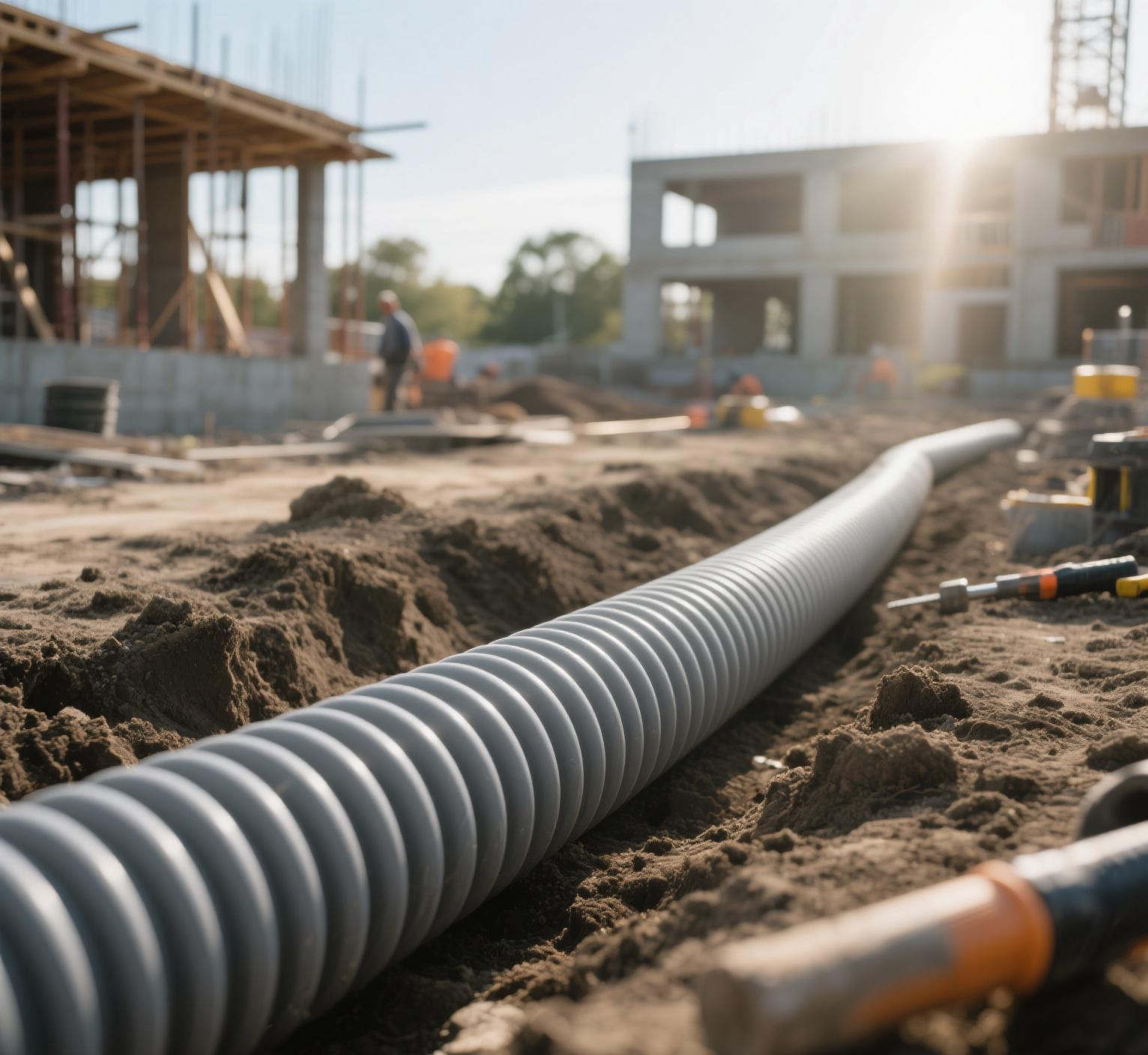
Installation Best Practices: A Maintenance Checklist
Even the most robust conduit will fail if installed improperly. To maximize longevity, follow this checklist:
-
Respect the Bend Radius: Never exceed the manufacturer's recommended radius to avoid localized stress.
-
Ensure Proper Support: Use adequate clamps to prevent tension on the conduit end-fittings.
-
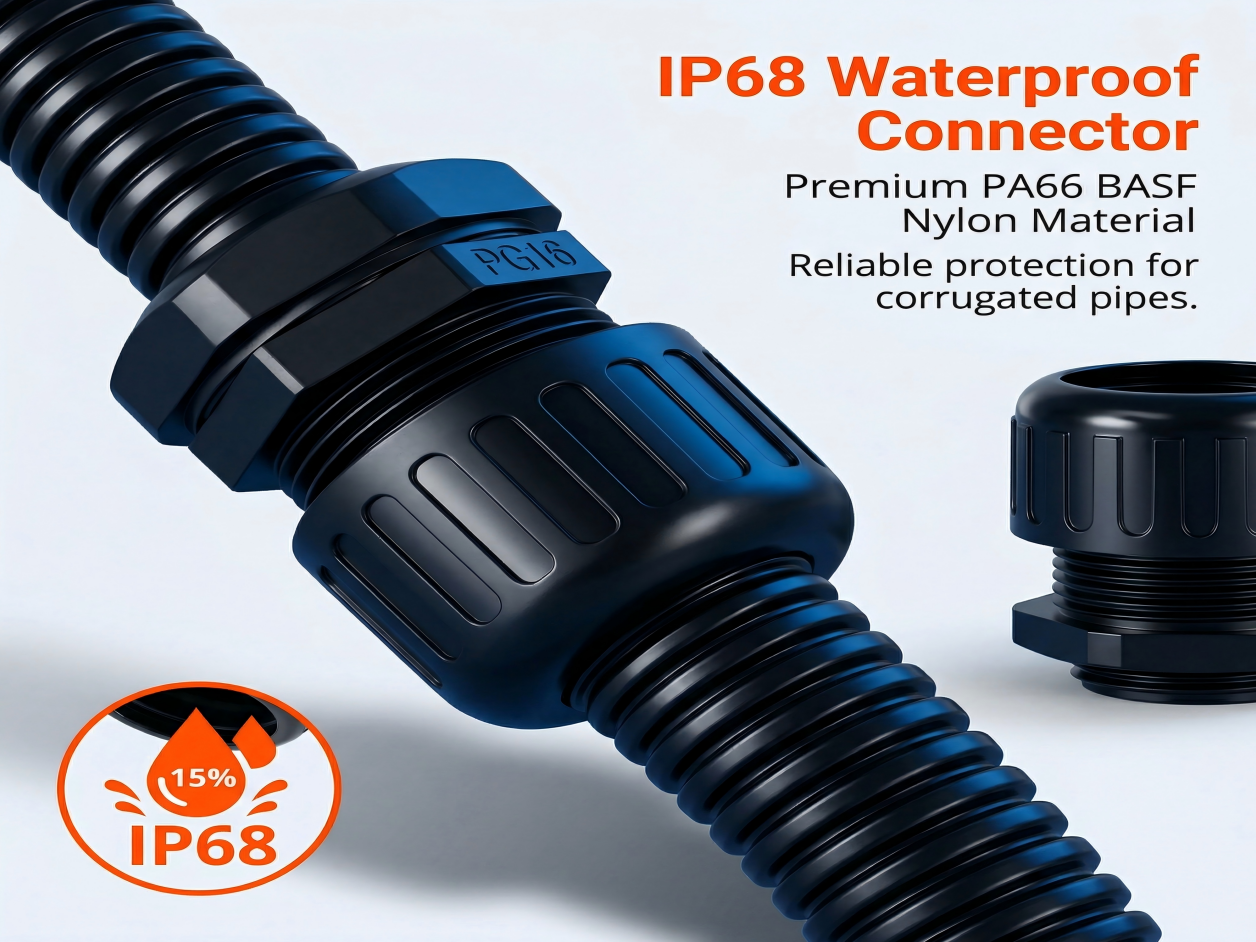
Secure Terminations: Check that all fittings are moisture-tight to prevent internal corrosion.
-
Schedule Inspections: Perform quarterly visual checks for signs of brittleness or mechanical rubbing.
The Topsolithos Advantage in Precision Manufacturing
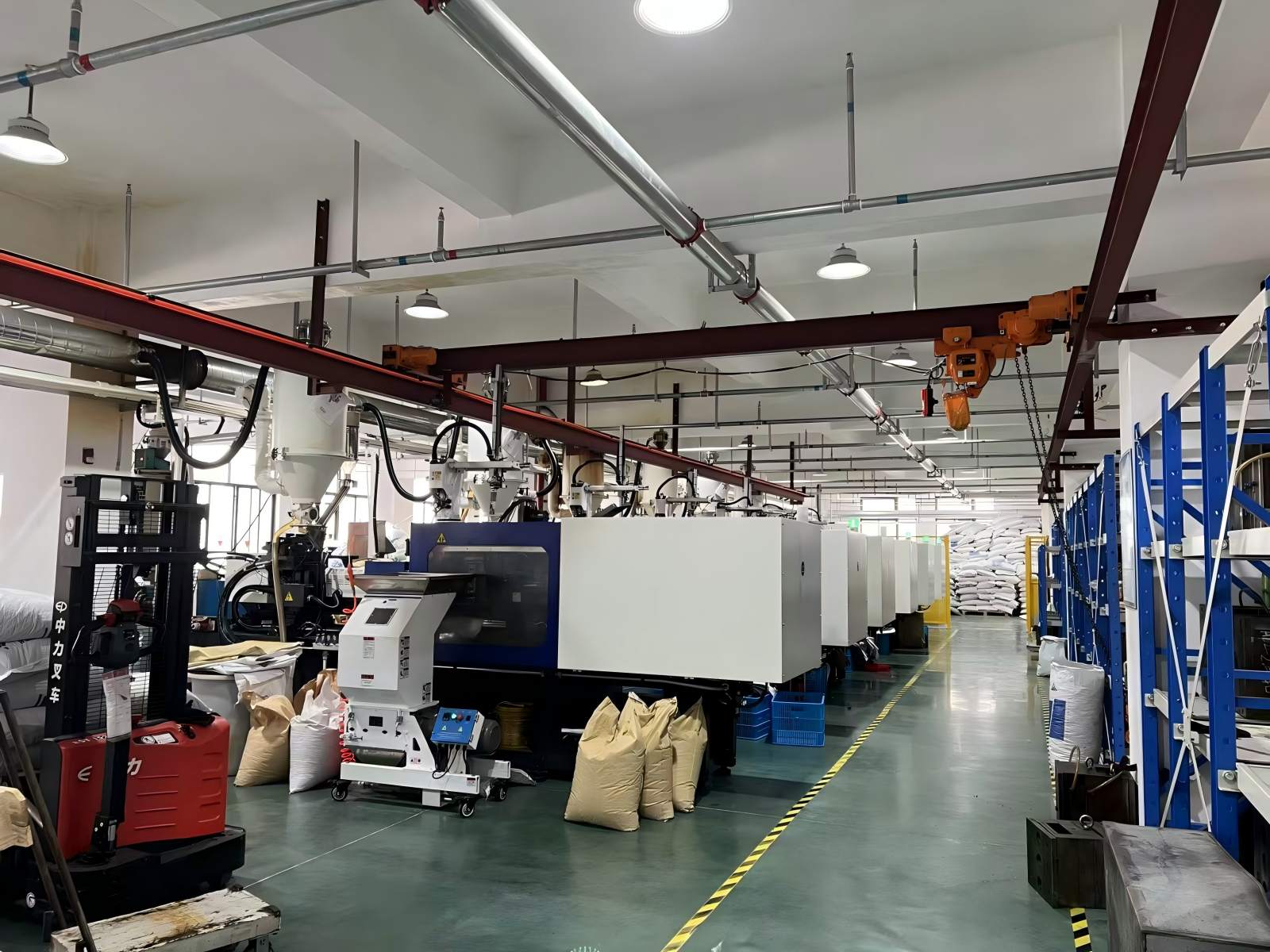
Reliability in industrial conduit is rarely a matter of chance; it is a reflection of precision manufacturing and strict material quality control. Topsolithos excels by integrating advanced production techniques with a deep understanding of industrial material requirements. With a robust manufacturing capacity and strict adherence to international quality standards, Topsolithos provides solutions engineered to withstand the most demanding conditions. By leveraging a responsive supply chain, the organization ensures that industrial partners receive conduits that meet exact project specifications—guaranteeing consistent performance from the first installation to the last.
Investing in Long-term Reliability
The cost of replacing a failed conduit involves far more than the price of the part; it includes labor, troubleshooting, and production loss. Prioritizing high-quality, engineered flexible conduit solutions is a strategic move toward a more stable and cost-efficient operation. By focusing on environmental compatibility, proper installation, and partnering with reliable manufacturers like Topsolithos, businesses can effectively extend the life of their electrical systems. When it comes to industrial infrastructure, the smartest investment is always in quality that lasts.