 EN
EN
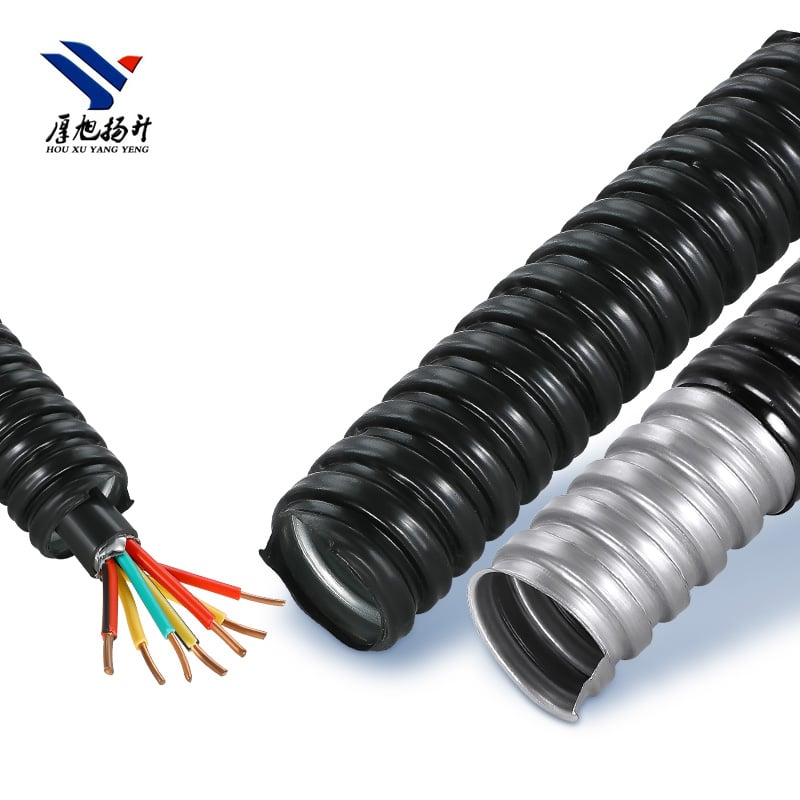
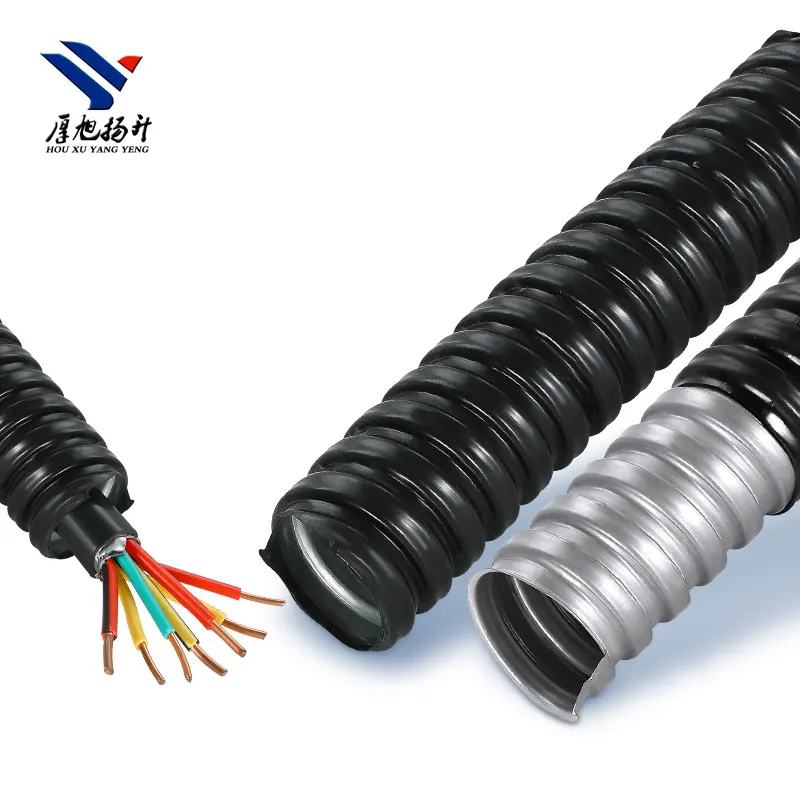
Think about the last time a flexible line failed right on your main production floor. It never happens when things are quiet; it always hits during a high-stakes, maximum-capacity run. While basic rubber or composite lines handle standard plumbing just fine, they crack and degrade fast when things get brutal. That is why heavy industries rely on a top-tier metal hose for serious heavy-duty protection. This is not about grabbing a slightly tougher material. It is about deploying an engineered shield that shrugs off extreme thermal cycles, abrasive external scrapes, and aggressive chemical drenching. When high pressure locks horns with intense heat, a solid corrugated metal line acts like armor, protecting your media, your machinery, and the crew working next to it.
Unpacking the Engineering Strength of Corrugated Alloys
To get why these components handle so much abuse, you have to look at the actual metallurgy under the hood. A premium metal hose starts with a thin-walled, corrugated tube core, usually shaped from high-grade stainless steel like 304, 316L, or 321. Those deep ripples give the pipe its flexibility, letting it bend without collapsing. But the real magic happens on the outside. Engineers tightly weave a stainless steel wire braid directly over that corrugated core. This external braid acts as a heavy-duty restraint, keeping the hose from stretching out under pressure and multiplying its burst rating. This dual-layer setup absorbs continuous machine vibrations, handles massive thermal expansion, and won't cave in under a deep vacuum where standard plastics would instantly buckle.
Performance Comparison Under Heavy Duty Conditions
To put things into perspective, let us look at how different materials stand up to the daily grind of a harsh factory environment:
| Performance Metric | Standard Rubber Hose | Composite Hose | Premium Metal Hose |
| Temperature Range | -40°C to 120°C | -50°C to 200°C | -200°C to over 600°C |
| Chemical Resistance | Limited (Degrades over time) | Moderate (Layer dependent) | Excellent (High alloy immunity) |
| Kink & Vacuum Resistance | Poor (Prone to collapse) | Fair (Requires internal wire) | Outstanding (Corrugated strength) |
| Lifespan in Hot Steam | 4 to 6 Months | 8 to 12 Months | Multi-year Durability |
Real-World Lessons from the Factory Floor
A great example of this involves a large-scale chemical processing plant that kept running into a wall with their steam lines. They were using high-grade, fabric-reinforced rubber hoses, thinking that was enough. But the constant temperature swings between 120°C and 200°C literally baked the rubber from the inside out, making it brittle and prone to sudden cracking every few months. Every single blowout meant emergency downtime, messy cleanups, and spiked maintenance costs. The plant finally swapped out the whole manifold for flexible stainless steel metal hose setups with double-layer braiding. Two years later, those identical lines are still running beautifully without a single leak. Making that jump from polymers to heavy-duty alloys completely wiped out their downtime anxiety.
What International Standards and Metallurgists Say
Safety in heavy industrial setups isn't about guessing; it comes down to sticking to proven engineering benchmarks. Global compliance standards like ISO 10380 and the American Society of Mechanical Engineers (ASME) lay out strict guidelines for testing and building corrugated metal plumbing. Industry metallurgists often point out that stainless steel keeps its structural muscle across a wild temperature range, working flawlessly from cryogenic freezing zones below -200°C up to scorching environments hitting over 600°C. Data shows that most flexible line failures happen because of thermal wear or external chemical attacks. Choosing a certified alloy pipe essentially removes those vulnerabilities from your breakdown equation.
The Smart Business Math Behind the Upfront Investment
Procurement teams sometimes pause at the initial price tag of custom metal assemblies compared to cheap synthetic hoses. But looking only at that first receipt is a major trap. When you look at the total cost of ownership—adding up the cost of repetitive maintenance labor, rushed shipping for replacement parts, and the massive financial hit of a stalled factory line—the math changes instantly. A rugged metal hose routinely outlasts synthetic alternatives by four or five times in harsh settings. Extending that timeframe between fixes gives you real, predictable operational control, turning unpredictable emergency repair costs into a steady, flat budget item.
Securing the Global Supply Chain for Critical Infrastructure
Keeping critical facilities running requires more than good design; it takes a reliable manufacturing backbone and a super-responsive supply chain. Topsolithos steps up to fill this gap, running advanced production lines that build precision-engineered metal piping built for the toughest jobs out there. Whether a project calls for specialized braid patterns or custom end fittings, Topsolithos manages the entire manufacturing process under strict quality checks that meet international safety codes. This end-to-end supply capability ensures global industrial operations get their heavy-duty protective components exactly when needed, keeping plants running smooth and safe without shipping delays.