 EN
EN
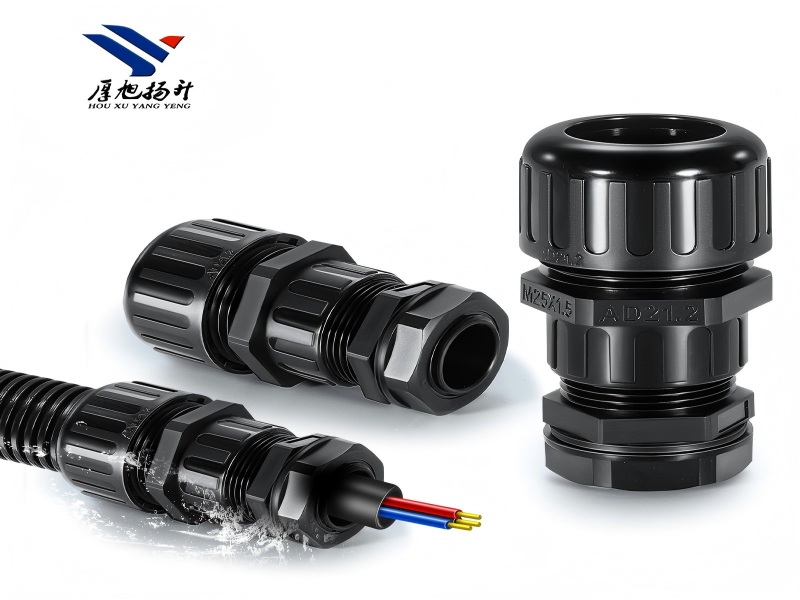
Waterproof vs. Weatherproof Conduit Fittings: A Critical Guide for Electrical Safety
Specifying conduit fittings often leads to confusion between "waterproof" and "weatherproof." For electrical contractors and engineers, this distinction is not just semantic—it is a matter of system integrity. Using the wrong component can lead to catastrophic moisture ingress, corrosion, and costly electrical failures.
Defining the Difference: Waterproof vs. Weatherproof
The terms are often used interchangeably, but they define different levels of protection:
-
Weatherproof (WR): Designed to resist rain, snow, and atmospheric moisture. These are typically rated IP65 and are intended for outdoor use where direct liquid contact is minimal.
-
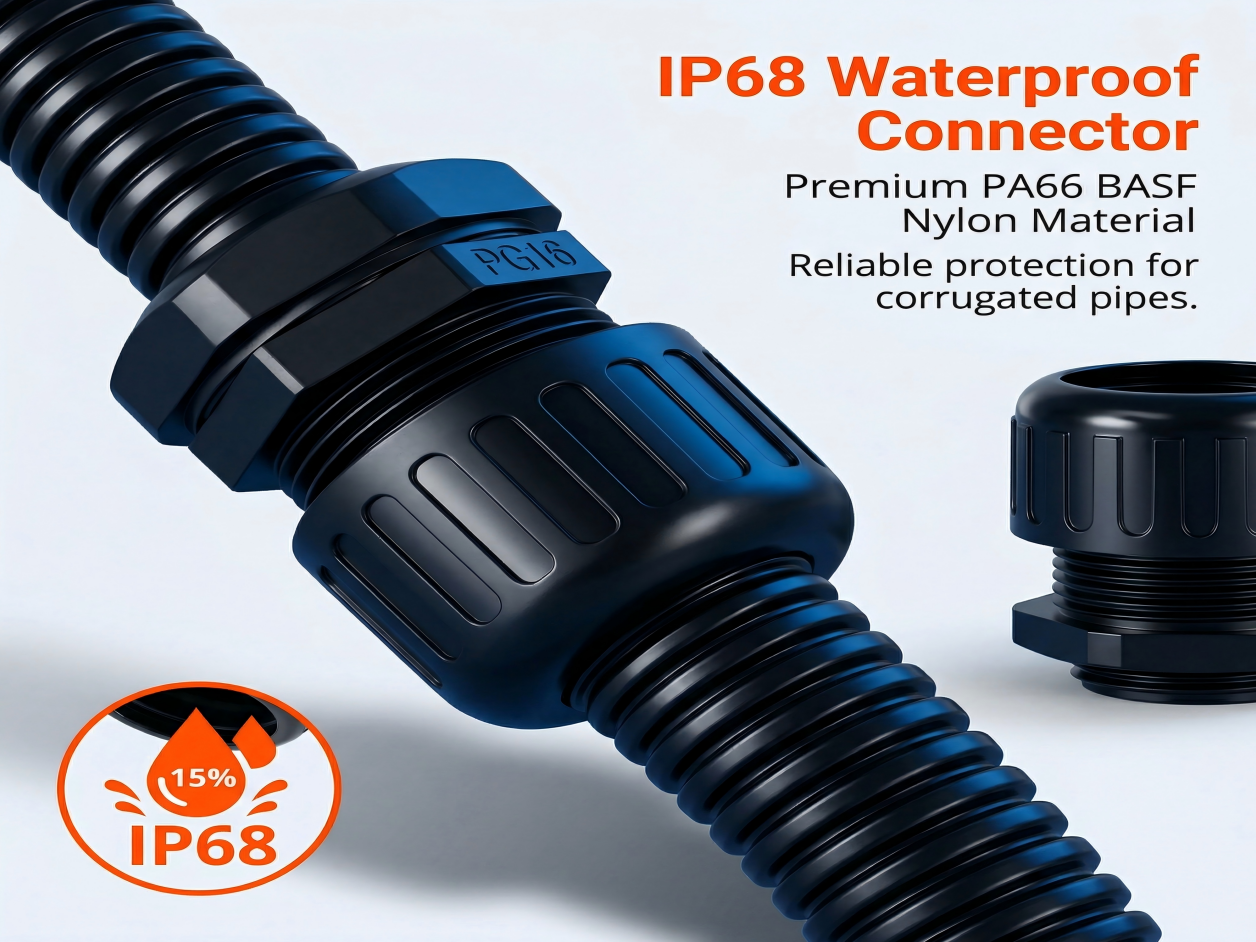
Waterproof: Engineered to withstand liquid intrusion, including direct hose-downs or immersion. These must be IP67-rated (temporary immersion up to 1 meter for 30 minutes) to guarantee reliability in demanding environments.
Key Takeaway: If your installation involves potential flooding or washdown cycles, a "weatherproof" label is insufficient. Always demand UL 514B-certified components.
Decoding Certification: UL 514B, IP66, and IP67
When selecting hardware, rely on standardized testing rather than marketing jargon.
| Rating | Protection Level | Ideal Application |
| IP65 | Resistant to low-pressure water jets | General outdoor protection |
| IP66 | Resistant to high-pressure water jets | Industrial washdown areas |
| IP67 | Temporary immersion (1m, 30min) | Underground & flood-prone sites |
| IP68/69K | Continuous immersion/High-pressure cleaning | Critical/Submerged infrastructure |
Engineering Analysis: Compression Glands vs. O-Ring Seals
The longevity of a seal depends on its design:
-
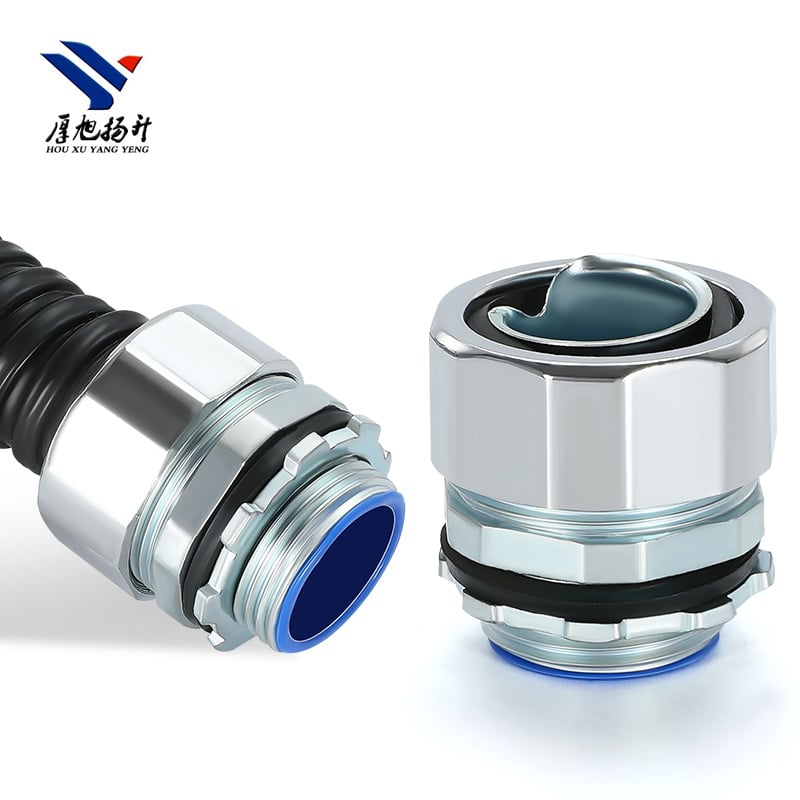
Compression Glands: Effective for static environments but susceptible to loosening due to thermal expansion or mechanical vibration.
-
O-Ring Seals: Superior for long-term performance. They maintain consistent pressure across thermal cycles and accommodate surface irregularities.
Pro-Tip: Choose the right elastomer for your environment:
-
EPDM: General weather resistance.
-
Nitrile: Best for oil/grease exposure.
-
Silicone: Wide temperature range stability.
Why "Liquid-Tight" Often Fails
"Liquid-tight" does not mean "submersion-rated." Field data indicates that capillary action can draw water into the conduit-to-fitting interface over time. For high-risk areas, integrate the following strategies:
-
Proper Drainage: Prevent water accumulation at the fitting point.
-
Secondary Sealants: Use as a redundancy measure.
-
Correct Support: Per NEC guidelines, provide conduit support every 3 feet to prevent mechanical stress on the seal.