 EN
EN
H1: Flexible Conduit vs Rigid Conduit: Core Advantages for Industrial Electrical Wiring
Intro Paragraph
Industrial electrical wiring projects often face pain points like narrow equipment enclosures, complex pipeline layouts, costly retrofits, and frequent wire damage from vibration or impact. Choosing between flexible conduit and rigid metal conduit (RMC) directly determines your project labor cost, construction cycle, and long-term equipment safety. This article breaks down all key benefits of flexible conduit, covering installation efficiency, mechanical protection, environmental resistance, EMI shielding, and global safety code compliance, to help electrical contractors and plant managers select the optimal wiring solution.
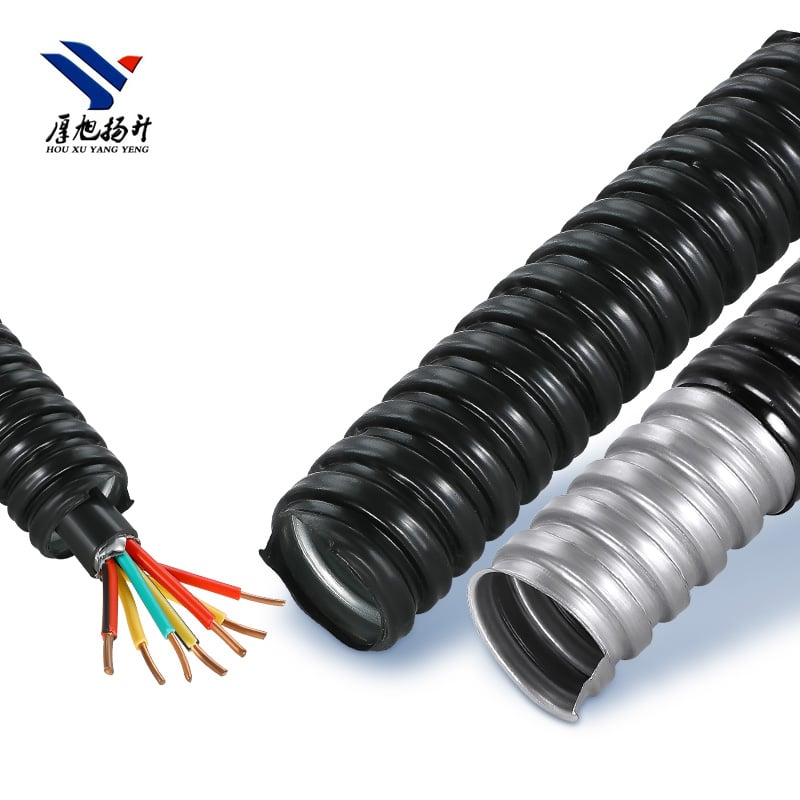
(Image 1: Side-by-side comparison of flexible conduit and rigid metal conduit on construction site | ALT text: flexible conduit vs rigid metal conduit installation comparison)
H2 1. Installation Efficiency: Fast Layout, Strong Adaptability & Low-Cost Retrofit
H3 1.1 Smooth Wiring In Tight Spaces Without Extra Couplings & Elbows
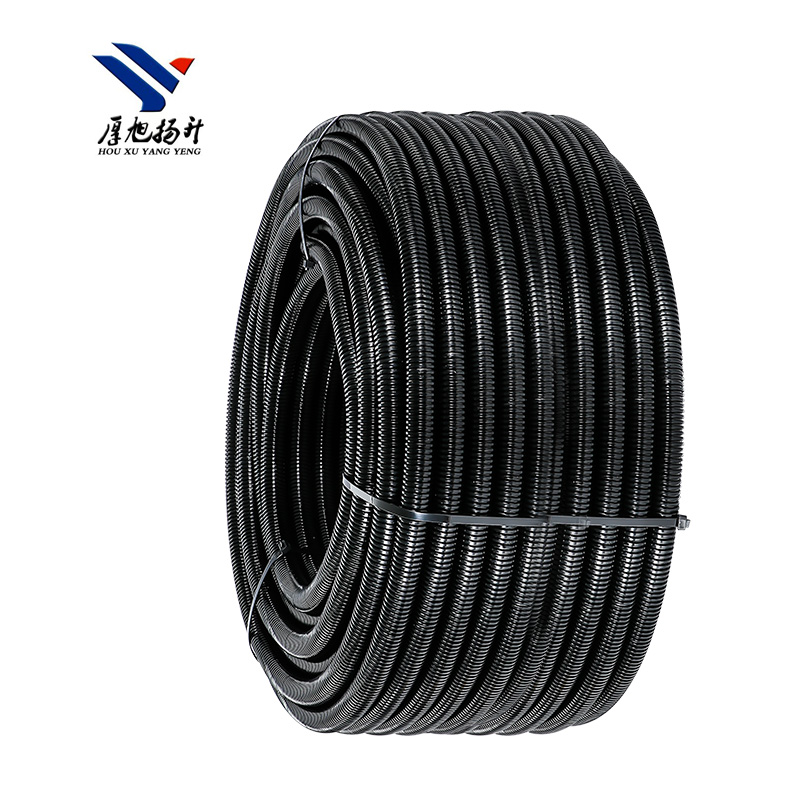
Flexible conduit brings unmatched flexibility for constrained or irregular installation environments. It can snake freely around building structural barriers, run through partition walls, and fit into compact control cabinet enclosures.
Traditional rigid conduit requires precise cutting, angle bending, and dozens of coupling fittings to change wiring directions. Flexible conduit naturally bends along the preset route, removing the need for elbows, offsets and extra hardware. This greatly cuts down construction mistakes and wasted raw materials.
For retrofit projects, especially old production machinery or densely arranged control panels, flexible conduit allows wiring upgrades without disassembling surrounding equipment. The whole construction cycle is shortened, factory production downtime is minimized, and new wiring can integrate seamlessly with existing facility layouts.
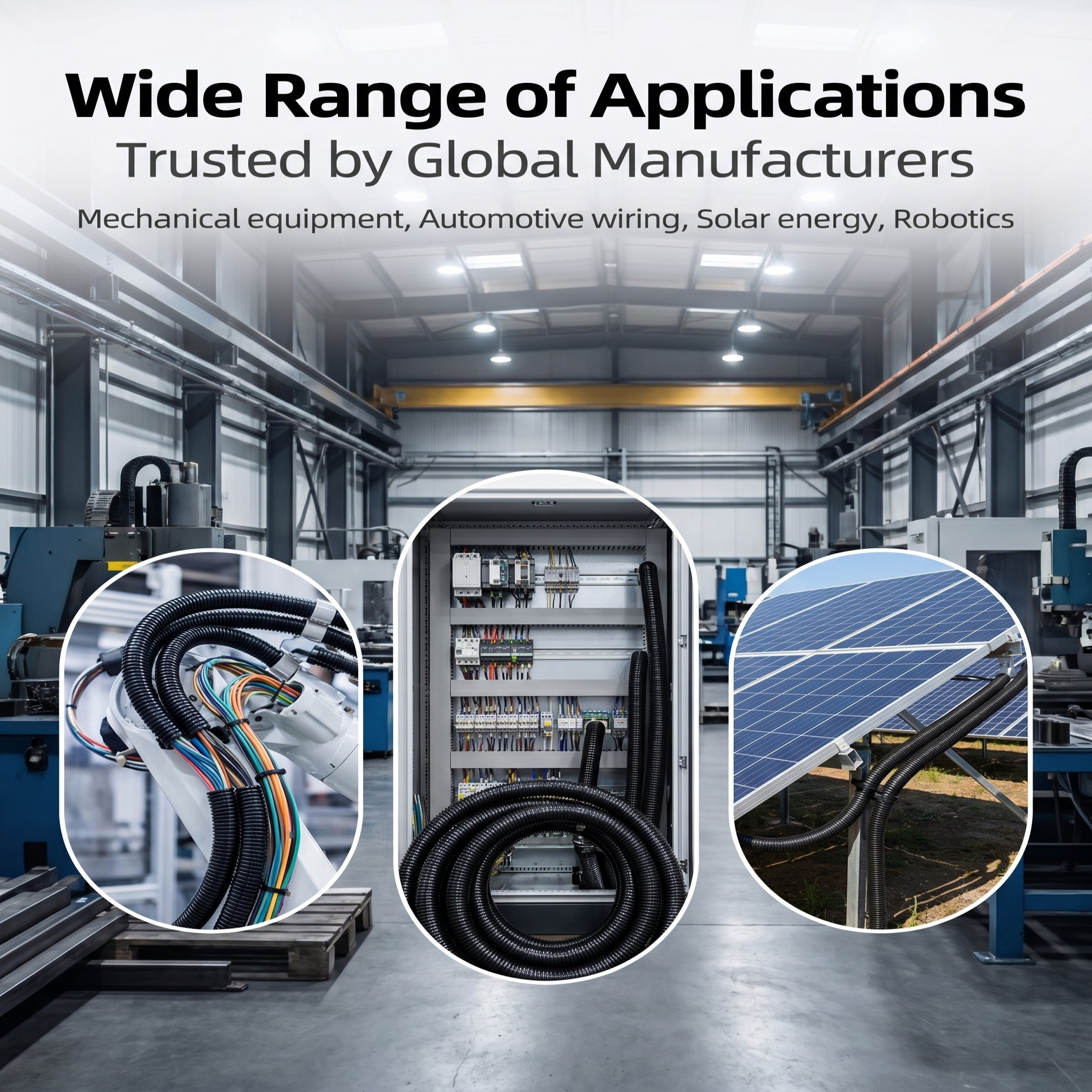
(Image 2: Flexible conduit routing through narrow machine gaps | ALT text: flexible conduit installation in tight industrial equipment space)
H3 1.2 45% Less Labor Time, Lower Total Construction Cost
Flexible conduit drastically cuts on-site working hours compared with rigid conduit.
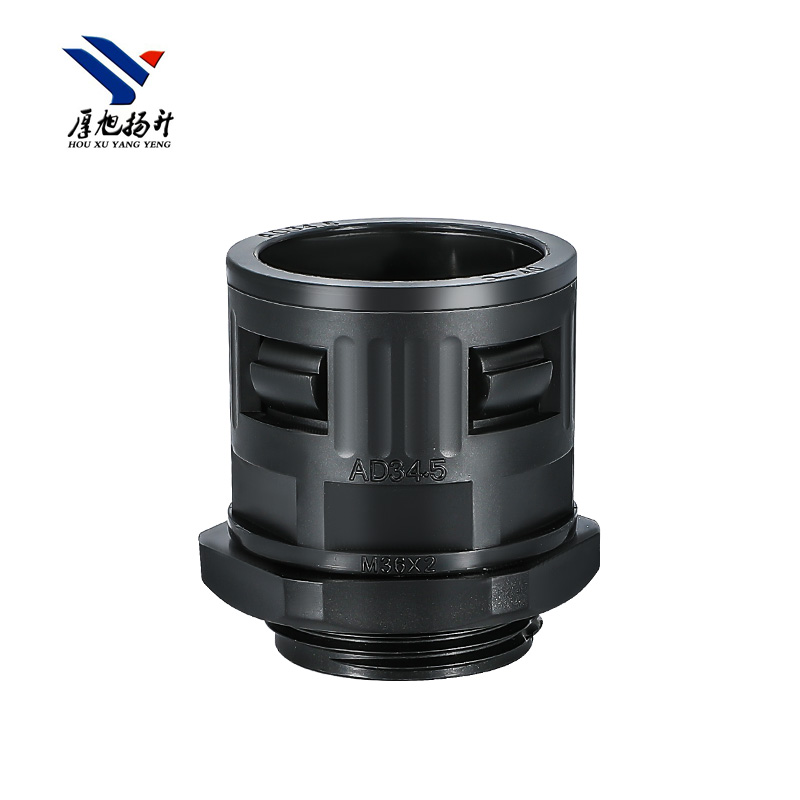
RMC rigid metal conduit needs multiple complex steps: cutting, threading, reaming, and locking dozens of couplings, each step raises labor difficulty and time cost. In contrast, flexible conduit only requires basic hand tools for cutting, with push-on or screw connectors for fast fixation, compressing the whole installation cycle.
According to NECA 2023 labor unit statistics, flexible conduit wiring work takes up to 45% less time than equivalent rigid conduit pipelines. The higher efficiency directly reduces labor expenditure, and you can also save extra costs on bending machines and large fitting inventory.
During phased equipment renovation, its fast installation limits production interruption, bringing obvious return on investment while fully meeting electrical protection and code standards.
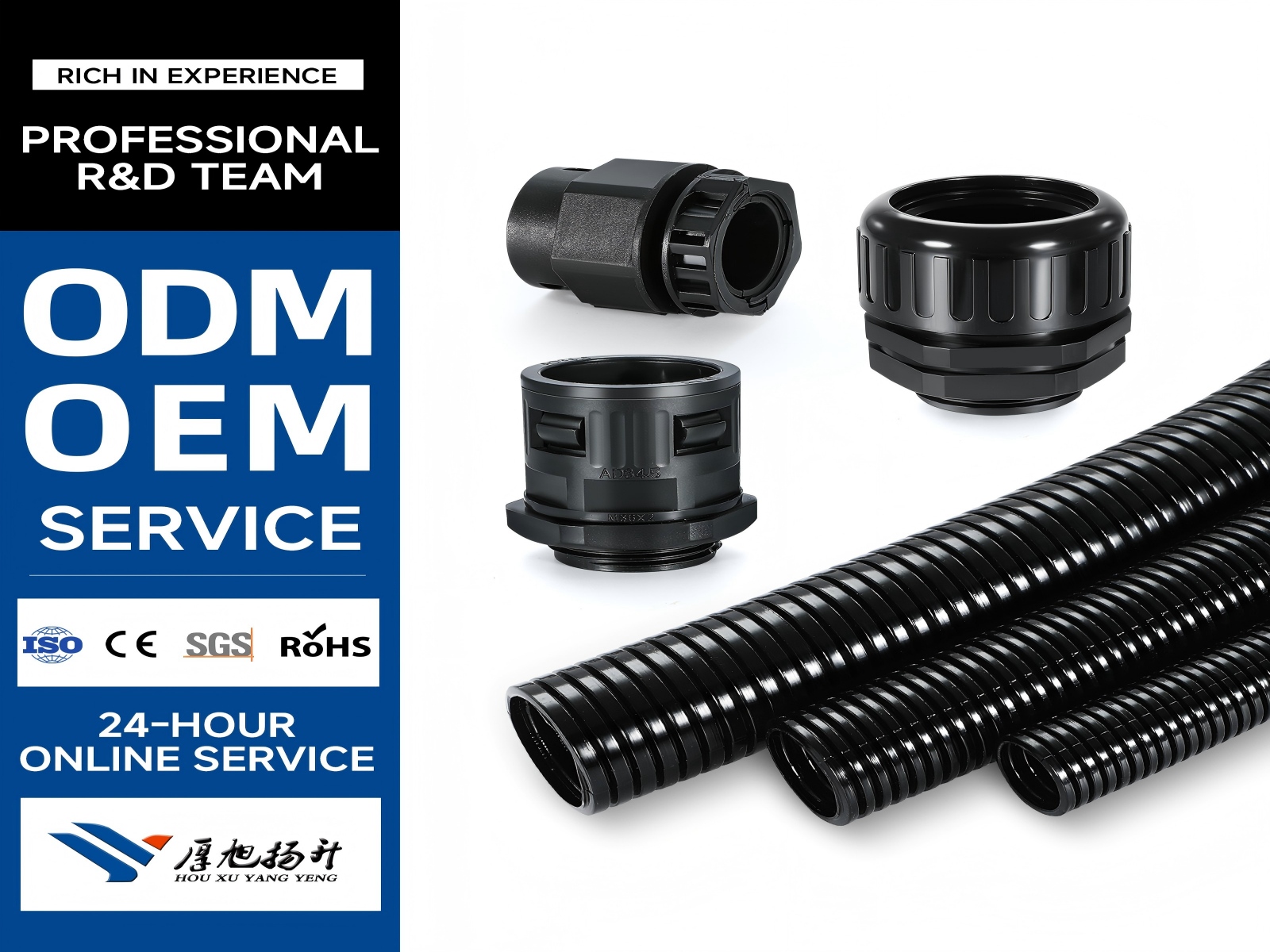
(Image 3: Worker installing flexible conduit with simple hand tools | ALT text: electrician installing flexible metal conduit quickly)
H2 2. Superior Mechanical Protection: Anti-Impact, Crush Resistance & Vibration Dampening
H3 2.1 Protect Wires In High-Traffic & Dynamic Industrial Scenarios
Factory wiring constantly faces hidden risks: forklift collisions, frequent pedestrian trampling, and continuous mechanical vibration from automated production lines.
Flexible conduit adopts spiral wound structural design, which disperses impact and crush pressure evenly across the tube wall. It avoids wire insulation damage that brittle rigid raceways cannot resist. Its elastic structure can bear repeated bending without cracking, maintaining stable circuit performance where rigid pipes will crack or loosen joints under long-term movement.
This vibration-damping property is vital for robotic arms, conveyor belts and CNC machine tools. Long-term mechanical movement will wear wire insulation or loosen terminal connections without proper conduit shielding. Flexible conduit isolates wires from mechanical stress, boosting equipment operation stability, reducing unplanned shutdowns, and cutting electrical safety hazards in high-load workshops.
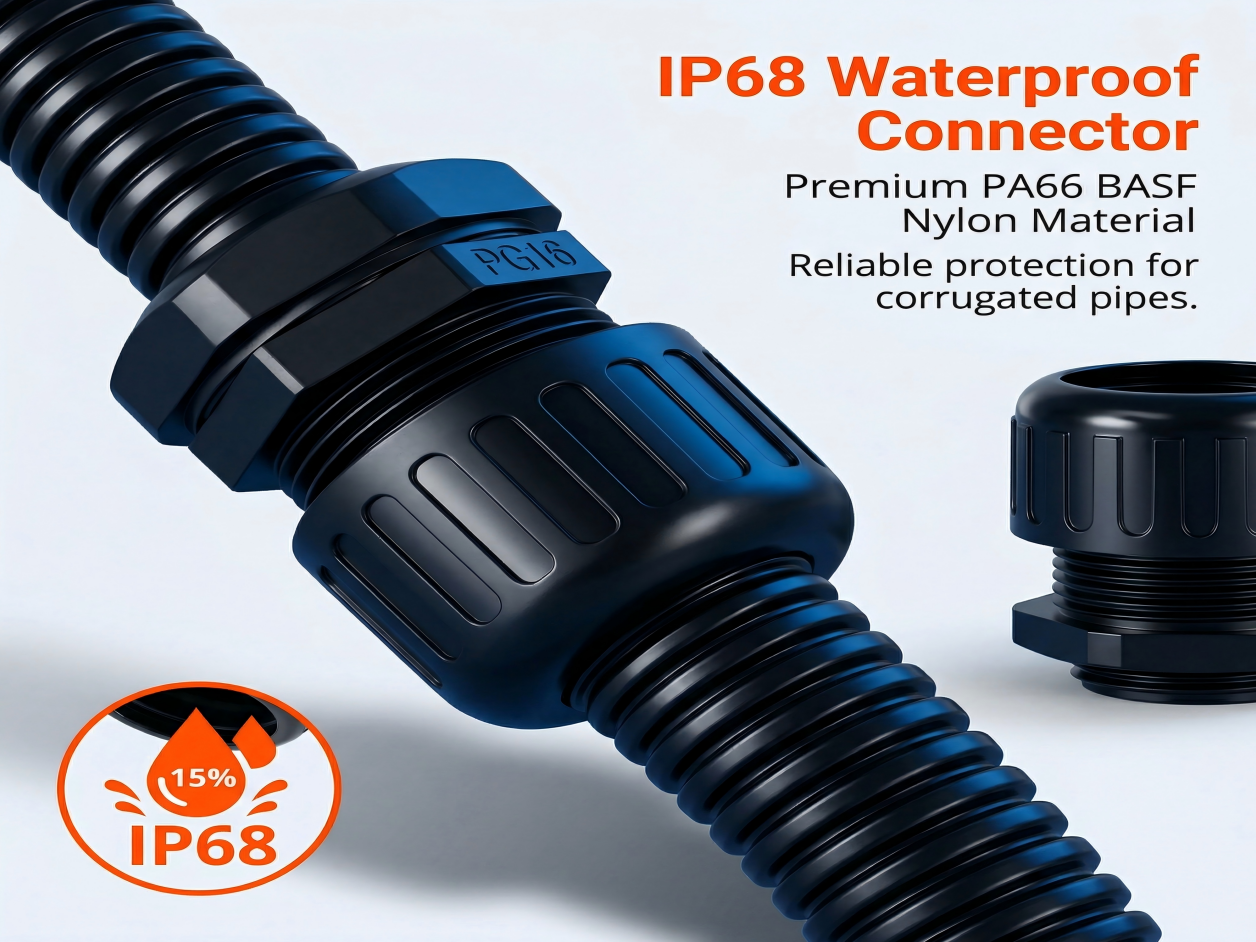
(Image 4: Flexible conduit applied on robotic arm equipment | ALT text: flexible metal conduit for robotic arm wiring protection)
H2 3. Strong Environmental Resilience: Waterproof, Anti-Corrosion & EMI Shielding
H3 3.1 Multi-Material Options For Moisture, UV, Chemical & Dust Protection
Different flexible conduit materials deliver targeted environmental protection to match various working conditions:
- PVC-jacketed flexible conduit: Natural moisture resistance for humid indoor workshops and wet locations;
- Zinc/epoxy coated metal FMC: Anti-corrosion performance for corrosive industrial atmosphere;
- Liquid-tight flexible metal conduit (LFMC): Sealed PVC outer jacket + metal inner core, fully blocking moisture, dust, industrial oil and chemical solvents;
- UV-stabilized PVC/PU outer layer: Long service life for outdoor exposed installation;
- Nylon/TPE jacketed conduit: Resist acid and hydrocarbon erosion for chemical processing plants.
Selecting matched conduit material based on on-site exposure conditions extends service life and reduces long-term maintenance expenses.
(Image 5: Different types of flexible conduit materials display | ALT text: PVC LFMC FMC flexible conduit material comparison)
H3 3.2 IP Rating & EMI/RFI Shielding For Sensitive Electrical Equipment
IP ingress protection standards define the sealing performance of flexible conduit against dust and liquid. Models rated IP67/IP68 are fully dust-proof and support temporary or long-term water immersion, ideal for food factory washdown areas and outdoor exposed wiring.
For electromagnetic interference sensitive scenes, metal flexible conduit acts as an efficient shielding layer. Steel or aluminum tube structures achieve over 60 dB shielding efficiency within 1 GHz frequency, protecting signal stability of medical devices, industrial automation equipment and data center servers.
LFMC combines conductive outer jacket and metal inner core, retaining both environmental sealing and continuous grounding performance, fully complying with NEC and UL bonding & EMI mitigation requirements.
(Image 6: LFMC flexible conduit used in data center wiring | ALT text: liquid tight flexible metal conduit for data center EMI shielding)
H2 4. Full Safety Compliance: Integrated Grounding, Flame Retardancy & Global Certifications
H3 4.1 Built-In Continuous Grounding Path For Metallic FMC & LFMC
Interlocked metal structure of metallic flexible conduit provides a low-impedance continuous grounding path, removing the demand for separate equipment grounding conductors.
When matched with UL-listed connectors, it satisfies NEC Article 250 grounding standards, realizing rapid fault current discharge and protecting operator safety. Note that tight, corrosion-free joints are required to maintain stable grounding impedance; loose connections will weaken grounding performance.
The integrated grounding design simplifies engineering drawings, reduces material types, and strengthens electrical safety for commercial and industrial wiring projects.
H3 4.2 Flame Retardant, Low Smoke Performance & UL/NEC Standard Certification
Flexible conduit outer jackets are manufactured with fire-resistant formulas: LFMC PVC coating and other jacketed models pass UL 94 V-0 and UL 1666 vertical riser flame tests, limiting flame spread and ignition risk.
For air plenum ventilation spaces, LSZH (low smoke zero halogen) flexible conduit releases minimal toxic smoke and dense fumes during combustion, lowering personnel injury risks in fire accidents.
NEC Article 350 and 356 clarify applicable scenarios of flexible conduit, mandating UL-listed certified products. UL certification verifies its flame resistance, crush strength and electrical safety performance. Specifying UL-certified flame retardant conduit simplifies compliance with National Electrical Code, local fire control regulations and building occupancy safety standards.
(Image 7: UL certification mark on flexible conduit product | ALT text: UL certified flexible metal conduit fire safety test)
H2 5. Frequently Asked Questions About Flexible Conduit
Q1: What core advantages does flexible conduit have over rigid conduit?
A1: Flexible conduit fits narrow and irregular wiring spaces perfectly, cuts total labor hours, reduces fitting consumption, and adapts to any pipeline route naturally. It also performs far better in old equipment retrofit projects and shortens factory downtime effectively.
Q2: How does flexible conduit improve mechanical protection for internal wires?
A2: Its spiral elastic structure absorbs impact and distributes crush force evenly, protecting wire integrity under heavy traffic or continuous vibration. It is the optimal wiring solution for industrial equipment with persistent mechanical movement.
Q3: What kinds of environmental protection can flexible conduit offer?
A3: Multiple material options supply customized defense against moisture, ultraviolet rays, corrosion and industrial chemicals. You can pick matched conduit according to actual site exposure environments to extend service cycle.
Q4: Do flexible conduit products meet international fire and electrical safety codes?
A4: Most mainstream flexible conduit adopts flame retardant, low-smoke materials with complete UL certification, fully complying with NEC electrical standards and local fire safety regulations.
Q5: Which scenarios require EMI-shielded flexible conduit?
A5: EMI shielding metal flexible conduit is necessary for precision equipment with high signal stability requirements, including medical instruments, industrial automation production lines and data center wiring systems.
Q6: What’s the labor time difference between flexible conduit and rigid conduit?
A6: Based on NECA 2023 data, flexible conduit installation saves up to 45% working hours compared with equal-length rigid metal conduit pipelines, largely cutting construction labor costs.