
 EN
EN


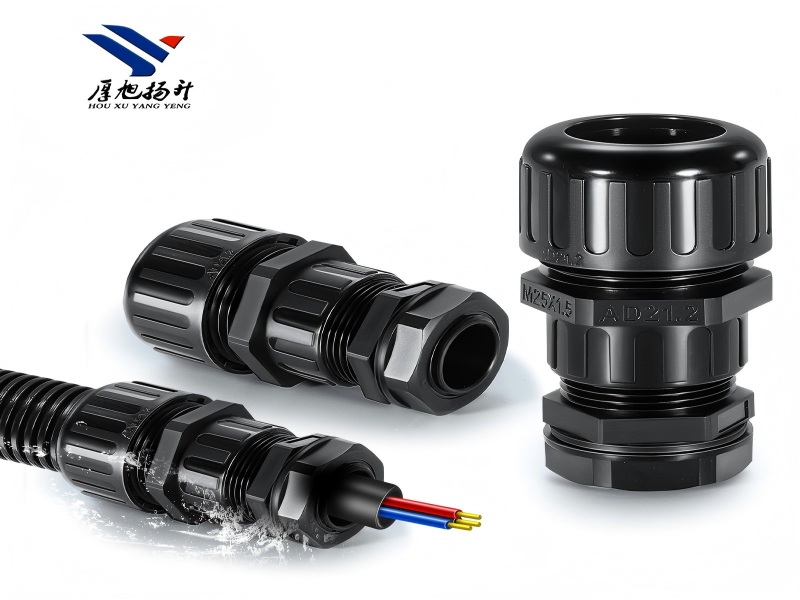
The Mechanics of Conduit Connector Stability Under Vibration and Stress
For plant maintenance engineers and electrical system designers, the mechanical integrity of a conduit connector is just as important as its electrical conductivity. An electrical connection that is physically loose or improperly secured is a ticking time bomb in an industrial environment. Vibrations from heavy machinery, the constant hum of automated conveyors, and the shock loads from rail or road transit all impose relentless stress on these components. Over time, this stress can cause threaded connectors to back off, metal housings to fracture, and protective seals to break. The result is not merely a drop in signal quality; it is a serious safety hazard. Exposed conductors create a risk of arcing, short circuits, and even fires in hazardous locations. To protect both the equipment and the workforce, engineers must select and install conduit connectors with a deep understanding of how mechanical forces affect long-term reliability.
The Physics of Vibration-Induced Loosening
When a threaded conduit connector is tightened onto a housing, the friction between the threads holds it firmly in place. However, in a vibrating environment, this friction is constantly being challenged. As the machinery shakes, the connector experiences microscopic lateral and axial shifts. These micro-movements, repeated millions of times, gradually reduce the coefficient of friction between the threads. Once the friction drops below a critical threshold, the connector begins to rotate backward slightly. Over the course of weeks or months, this slow rotational creep can cause the connector to unscrew completely. This phenomenon, often referred to as self-loosening, is the primary failure mode for standard threaded connectors in industrial settings. The problem is exacerbated by the presence of lubricants, which reduce friction, or by temperature fluctuations, which cause the metal components to expand and contract, further loosening the grip.
Why Thread Geometry Determines Grip Under Load
The design of the threads themselves has a massive impact on how well the connector resists loosening. Tapered threads, such as those found on NPT fittings, have a distinct advantage over straight threads. Because the diameter of the thread increases as the fitting is tightened, the sidewalls of the threads are forced into a tight wedge. This wedge action creates a mechanical interlock that is inherently resistant to vibration. Fine-pitch threads, which have a higher number of threads per inch, offer another advantage. They provide a greater total surface area for friction, making them harder to back off. However, fine threads require precise alignment during installation; if they are started at an angle, they can easily cross-thread, destroying the integrity of the connection. To address this, advanced connector designs now incorporate self-locking thread profiles. Originally developed for the demanding aerospace industry, these unique profiles are engineered to increase the friction under dynamic load. When the connector experiences vibration, the locking forces actually increase, preventing rotational creep.

The Critical Role of Secondary Locking Mechanisms
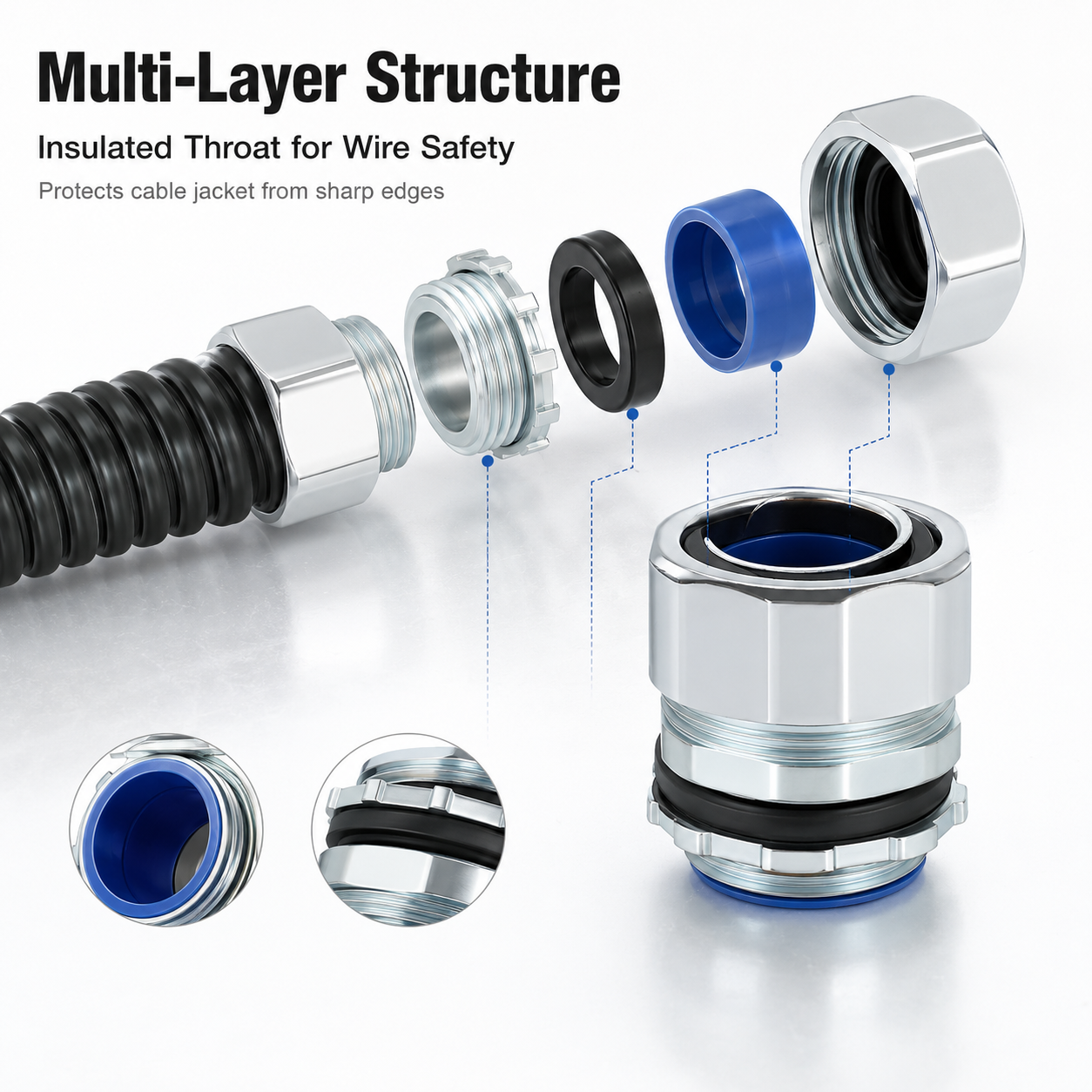
While advanced thread geometries provide a strong primary grip, mission-critical applications often demand a secondary locking mechanism. These devices provide an extra layer of security, ensuring that the connector remains tight even if the threads begin to loosen. A common example is the split-clamp nut, which uses a threaded collar that is mechanically clamped onto the connector body. Once installed, the split nut physically prevents rotation. Spring-loaded detents and locking tabs offer a similar level of protection by engaging a positive mechanical stop. In field installations where space is tight and torque tools are difficult to use, cam-lock rings provide an excellent solution. The operator can hand-tighten the ring until it clicks into place, creating a robust mechanical lock without the need for precise torque measurement. These secondary locks are particularly valuable in high-value applications, such as data centers or continuous process manufacturing, where even a brief loss of connection is unacceptable.
Decoupling the Conduit Through Strain Relief
Vibration does not just act on the connector itself; it travels down the conduit and into the point where the wires terminate. If this mechanical energy is not managed, it can cause the copper conductors inside the conduit to fracture at the terminal block, leading to intermittent faults. This is where strain relief becomes a critical design feature. Flexible conduit connectors equipped with integrated cable grips or spiral-wound metal hoses absorb the physical movement before it reaches the electrical termination. By decoupling the conduit's motion from the sensitive wire connections, these components preserve the integrity of the electrical signal. Furthermore, strain relief prevents the connector's sealing gasket from being pulled out of position by a moving conduit. This preservation of the seal is essential for maintaining the IP-rated or NEMA-rated environmental protection that keeps water, dust, and corrosive gases out of the enclosure.
The Importance of Precision Torque During Assembly
The best-engineered connector in the world will fail if it is installed incorrectly. The single most critical step in installation is achieving the correct torque on the locking nut. If the nut is under-tightened, the connector may provide a temporary electrical connection, but the vibrational forces will quickly reduce the friction and cause it to back off. Conversely, over-tightening is equally dangerous. Applying excessive force can strip the delicate threads on the connector housing, permanently ruining the ability to hold a tight seal. In severe cases, over-tightening can fracture the metal housing, exposing the interior to moisture. To avoid these issues, installation technicians must use a calibrated torque wrench set to the manufacturer's precise specification. This ensures the clamp applies the exact amount of pressure required for a reliable, long-lasting joint.
Sealing Integrity and Proper Alignment
In addition to torque, sealing integrity and alignment are critical. The O-rings and compression gaskets that provide the environmental seal must be free of dirt, debris, and damage before they are compressed. A single tiny speck of grit trapped under the seal creates a microscopic pathway for moisture to enter, eventually leading to corrosion of the internal contacts. Angular alignment is equally critical. If the conduit is attached to the connector at a slight angle, the bending stress concentrates at the threads, accelerating fatigue cracking. A rigid alignment tool should be used during assembly to ensure the conduit is perfectly square with the connector face.
Matching Connector Materials to the Environment
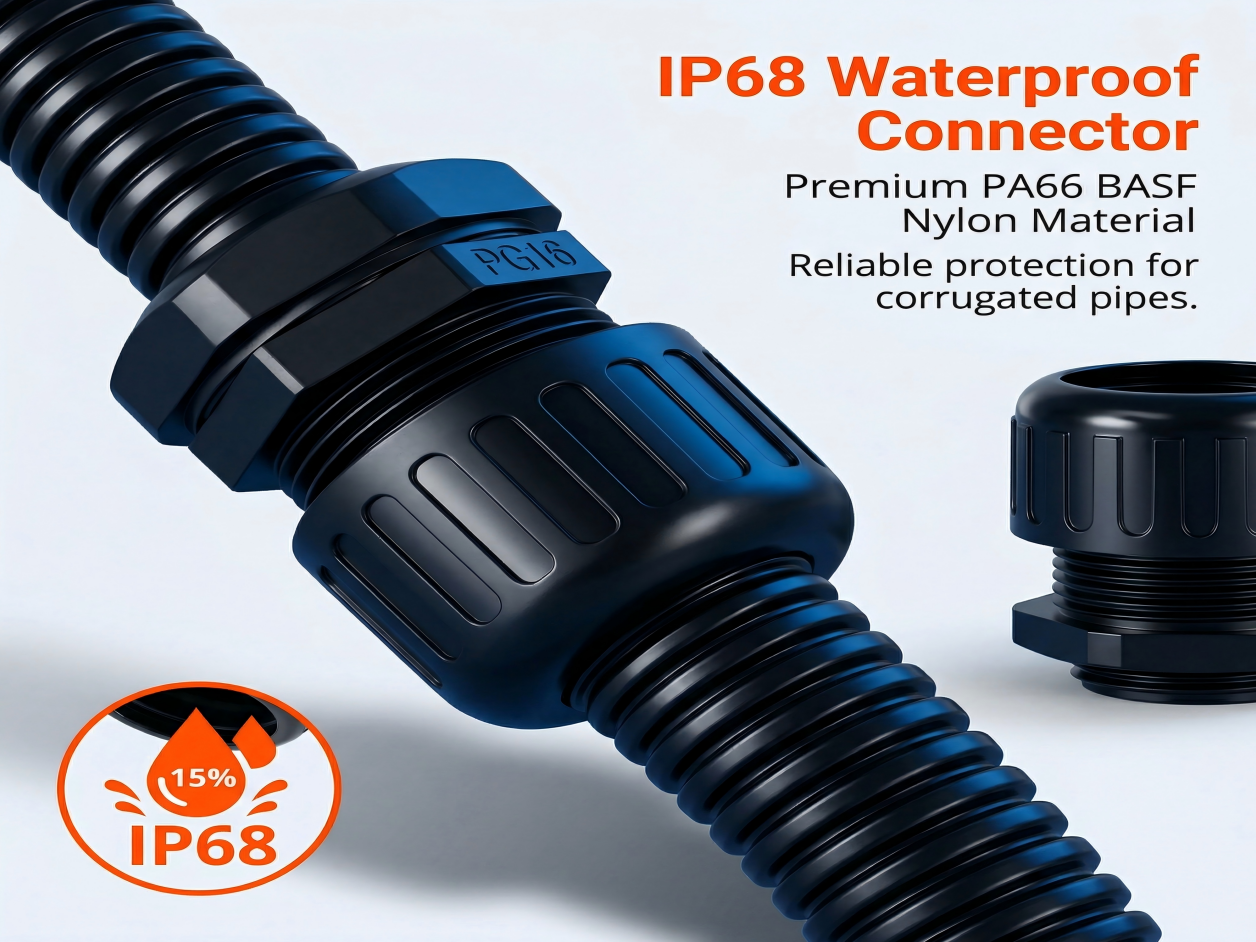
The material used to construct the connector must be matched carefully to the environment. Stainless steel, particularly 316 grade, is the preferred choice for marine, coastal, and chemical processing facilities. Its high chromium and nickel content provides exceptional resistance to pitting corrosion caused by salt spray and chlorides. In indoor commercial spaces or mildly damp locations, brass connectors offer a cost-effective solution with good durability. However, in environments where strong acids, alkalis, or solvents are present, brass and steel will rapidly corrode. In these harsh conditions, high-quality polymer connectors made from nylon or PVC are often the superior choice. They are chemically inert and won't degrade when exposed to aggressive industrial cleaning agents. Selecting the correct material isn't just about code compliance; it's about ensuring the connector will maintain its mechanical grip and environmental seal for decades.
How Rigorous Manufacturing Ensures Long-Term Reliability
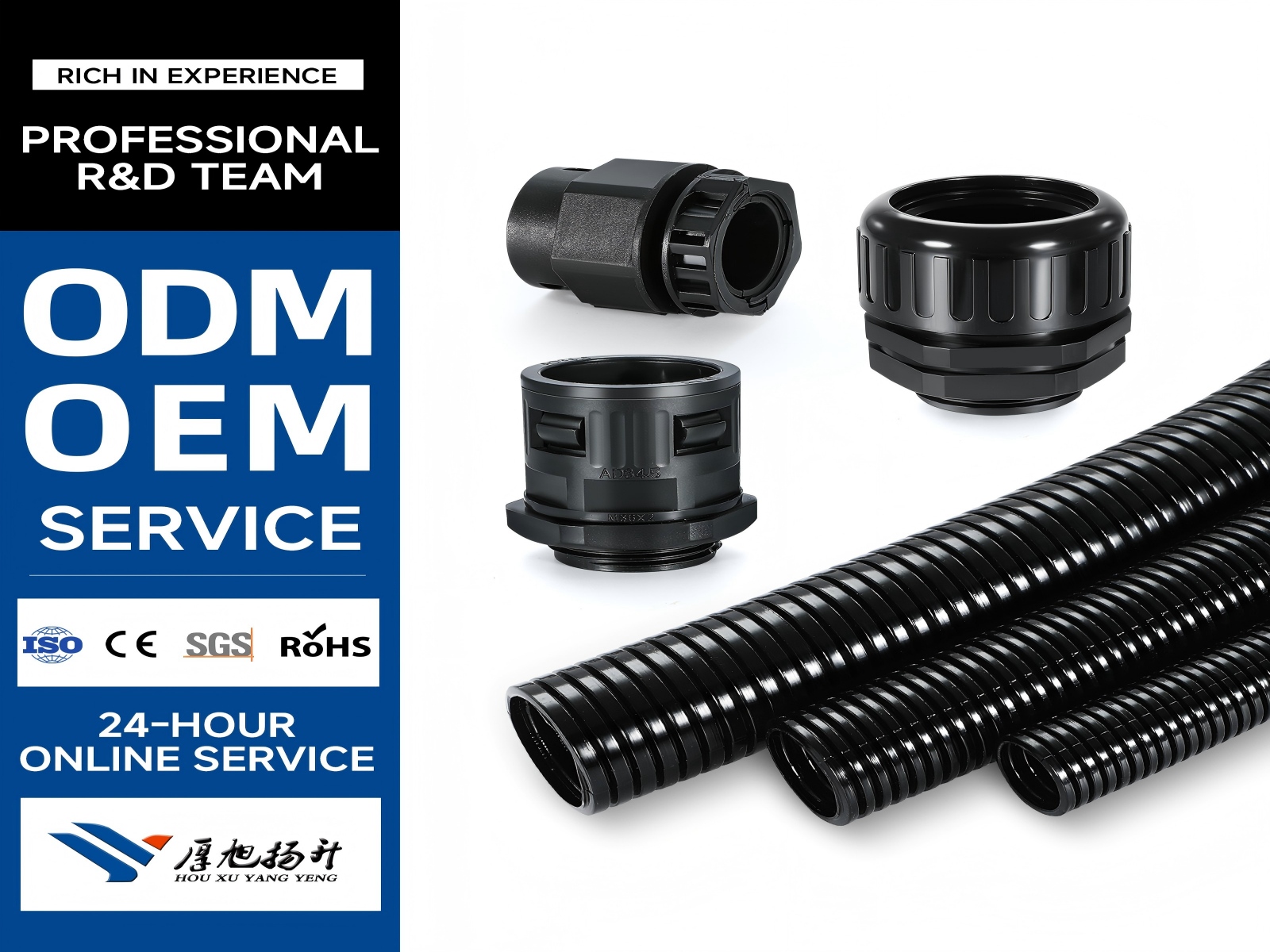
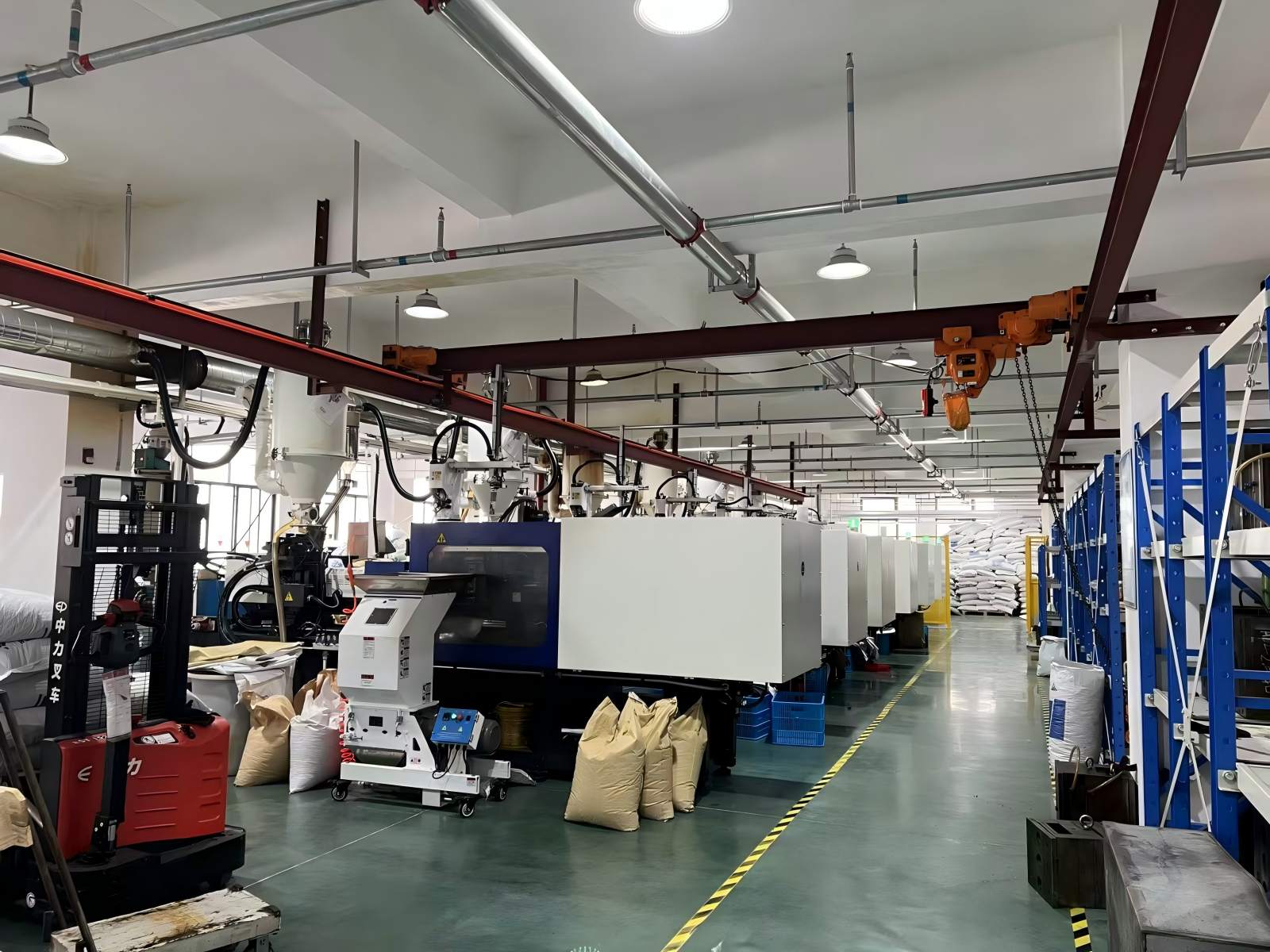
Ultimately, the mechanical stability of a conduit connector depends on the quality of the manufacturing process. The precision of the thread cutting, the hardness of the metal alloy, and the consistency of the surface finish all dictate how the connector will behave under stress. Manufacturers who operate under recognized quality management systems, such as ISO 9001, enforce strict material traceability and conduct regular pull-tests and torque verification on their production lines. By maintaining tight control over the raw alloy sourcing and the CNC machining operations, responsible suppliers ensure that every connector shipped from the factory meets the exact dimensional tolerances required for a perfect fit. For an engineer who counts on their electrical distribution system to run continuously, sourcing connectors from a disciplined, quality-focused manufacturer provides ultimate confidence in the safety and longevity of the entire installation.