
 EN
EN


Why Conduit Clamps Fail Under Vibration and How to Prevent It
For maintenance engineers and facility managers working in heavy industry, vibration is a constant, destructive force. It is invisible, yet it slowly wears down moving machinery, fatigues metal structures, and loosens fasteners. Among the most vulnerable components in any electrical distribution system are the conduits that carry power cables from one point to another. If these conduits are not securely fastened, continuous machine vibration will cause them to rub against structural supports, crack at the mounting points, and eventually expose the wires inside. This leads to costly downtime, electrical shorts, and significant fire hazards. The humble conduit clamp is the critical component tasked with preventing this failure. However, selecting the right clamp requires a deep understanding of the physics of vibration and the specific environmental conditions of the facility. A standard hardware store clamp simply cannot survive the harsh realities of modern industrial production lines or mobile transit systems.
Understanding the Dynamic Forces at Play
The environment inside a typical manufacturing plant is incredibly harsh. Every time a large press stamps a piece of metal, or when a heavy motor spins up to full speed, low-frequency vibrations are transmitted through the floor and into the mounted equipment. These vibrations do not affect the conduit as a single push; they occur continuously, millions of times over the lifespan of the plant. Over time, these repetitive micro-movements cause the metal walls of the conduit to fracture. In transit applications, such as on trains, ships, or heavy trucks, the problem is compounded by high-frequency oscillations from the engines and severe shock loads from uneven roads or tracks. In these environments, the cable management system is subjected to multi-axial stress, meaning the conduit is pulled, twisted, and sheared all at the same time. Without a properly engineered clamp to absorb this chaotic energy, the conduit will inevitably shift, abrade against surrounding surfaces, and fail prematurely.
The Mechanics of an Effective Vibration-Damping Clamp
An effective conduit clamp must do more than just hold the pipe in place; it must actively dampen the vibrational energy before it damages the conduit. The design of the clamp plays a massive role in this process. High-strength steel or aluminum bodies provide the rigid structural foundation required to resist the heavy shock loads. However, relying on bare metal creates a problem. When the conduit vibrates against an unlined metal clamp, the friction causes the conduit wall to wear thin over time, and the harsh contact transmits vibration directly into the cable management system without any reduction in force. This is why modern clamps incorporate elastomeric inserts, typically made from materials like EPDM or neoprene. These flexible liners grip the conduit firmly, eliminating metal-to-metal contact and absorbing high-frequency vibrations. Furthermore, the inner contour of the clamp must be precisely machined to match the diameter of the conduit. If the clamp is too tight, it creates point loading; if it is too loose, the conduit slips. A properly contoured saddle ensures uniform pressure across the surface, maximizing grip while preventing structural damage.

The Hidden Danger of Resonant Vibration
Even the most well-designed conduit clamp can be defeated by a specific phenomenon known as resonance. Every mechanical structure has a natural frequency at which it wants to vibrate. If the vibrations generated by a nearby motor or compressor happen to match this natural frequency, the amplitude of the vibration increases dramatically. This is exactly how a trained singer can shatter a glass with their voice. When a conduit clamp is exposed to resonance, the displacement of the conduit becomes severe. The locking bolts experience enormous cyclic stress, leading to gradual loosening. Standard clamps, which rely solely on friction to maintain grip, are particularly vulnerable to resonance. Because they lack active damping elements, they simply cannot dissipate the resonant energy. Instead, they transfer all that stress directly into the conduit, rapidly accelerating metal fatigue. For facilities with variable-speed drives or equipment that operates across a wide range of RPMs, the risk of hitting a resonant frequency is significant.
Selecting Materials for Corrosive and Extreme Environments
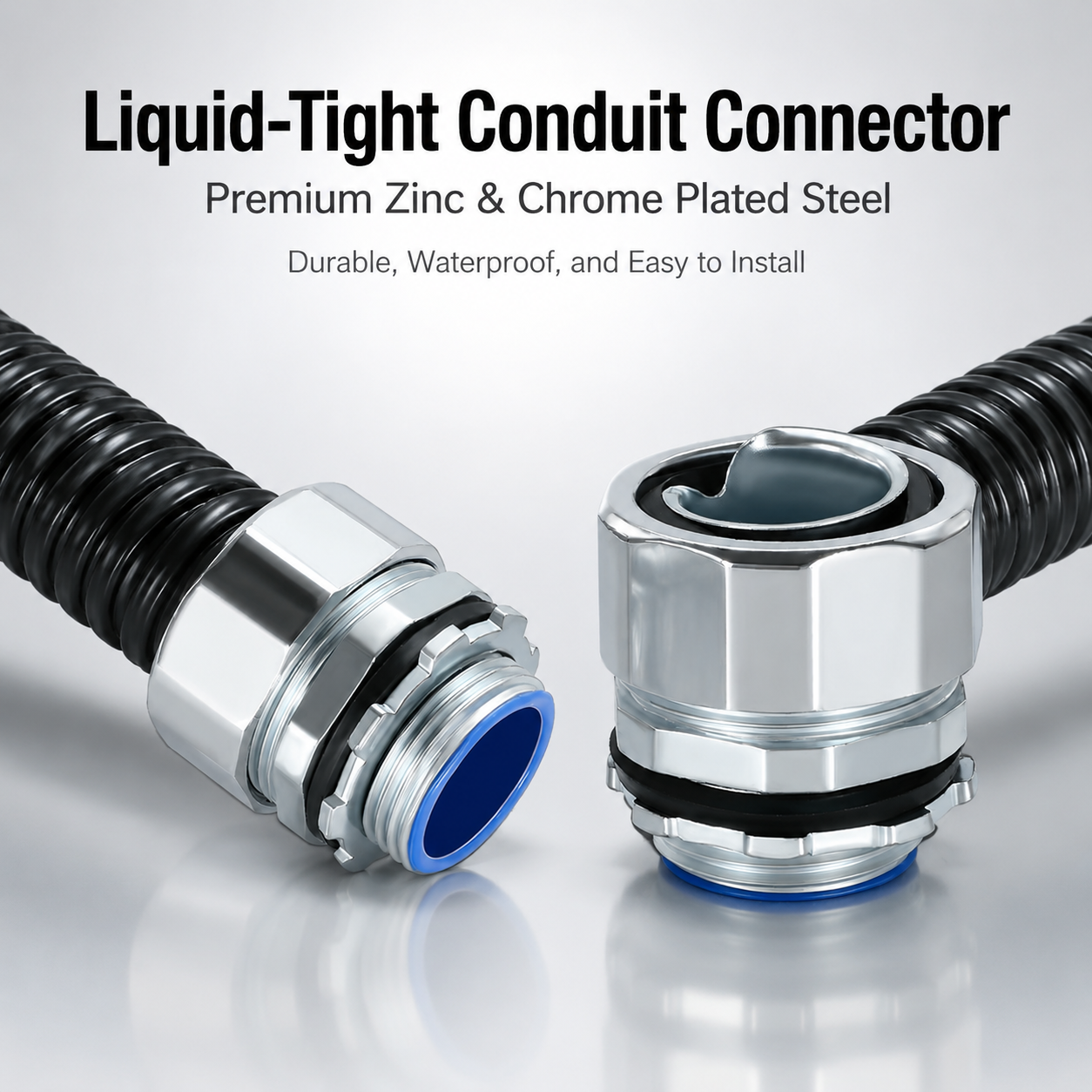
Beyond the mechanical stress, the environmental conditions often dictate the longevity of the clamp. In coastal power plants or offshore platforms, salt spray is a relentless enemy. A standard zinc-plated steel clamp will begin to rust within months, severely degrading its clamping force. In these applications, stainless steel bodies are non-negotiable. However, the material must also be compatible with the conduit itself. Using dissimilar metals in a damp environment creates a galvanic reaction, accelerating corrosion and weakening the mount. Alongside the metal body, the elastomeric insert must be selected based on the operating temperature. While EPDM rubber performs excellently in moderate conditions, it becomes brittle in extreme cold or softens in high heat. Specialized materials, such as silicone or fluororubber, are required for environments that experience severe temperature swings or exposure to harsh chemicals.
The Role of Proper Installation and Torque Control
The performance of a high-quality conduit clamp is entirely dependent on the quality of the installation. If the mounting bolts are tightened using an inaccurate wrench, the clamping force becomes unpredictable. Under-tightening leaves the conduit loose enough to slip under load. Over-tightening, on the other hand, can crack the clamp base or strip the bolt threads, permanently destroying the integrity of the mount. Technicians should always use a calibrated torque wrench set to the manufacturer's recommended specification. Furthermore, the surface where the clamp mounts must be clean and flat. If the base is bolted onto a rough or uneven surface, it will rock slightly under vibration, causing fatigue cracking at the base of the bracket. Taking the time to prepare the mounting surface correctly and applying a thread-locking compound to the bolts significantly improves the reliability of the installation.
Advanced Designs for Mission-Critical Infrastructure
In critical applications, such as nuclear power plants, oil refineries, or railway signaling systems, standard industrial clamps are no longer sufficient. The risk of failure is simply too high. Next-generation conduit clamps employ advanced kinematic isolation technology. These designs feature dual-durometer elastomer inserts, which combine a soft inner layer for high-frequency absorption with a stiff outer layer for structural rigidity. Some advanced clamps use spherical joints or flexible bushings that allow for controlled angular movement, effectively decoupling the conduit from the mounting surface. Independent laboratory testing has confirmed that these advanced designs can reduce the peak acceleration transferred to the conduit by over sixty percent compared to traditional rigid clamps. While these high-performance clamps come at a premium cost, they pay for themselves by preventing catastrophic downtime in systems where failure is not an option.
The Importance of Manufacturing Consistency and Traceability
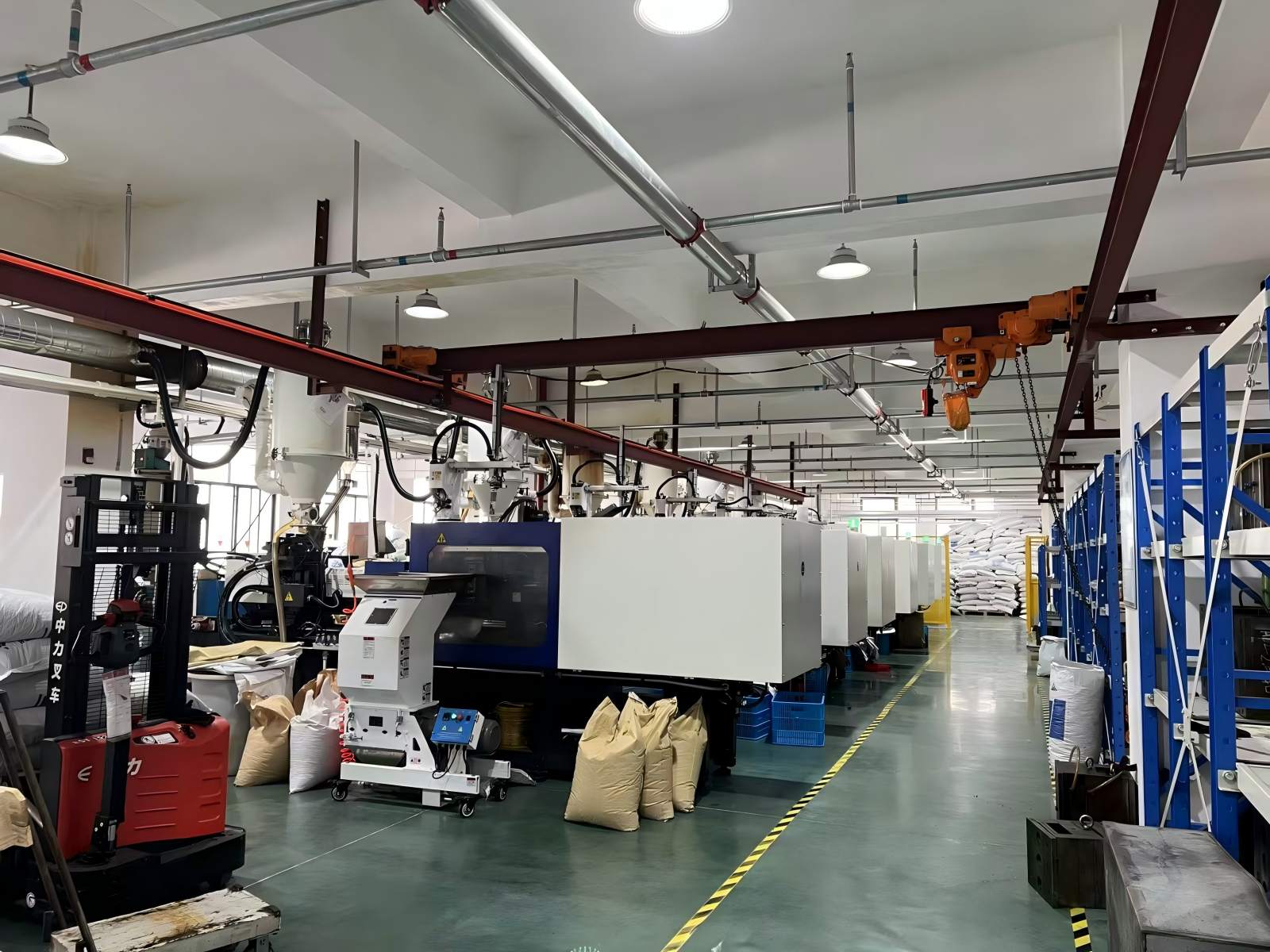
Ultimately, the reliability of a conduit clamp under extreme vibration depends heavily on the consistency of the manufacturing process. The exact hardness of the elastomer insert, the precision of the saddle contour, and the tensile strength of the bolting hardware must all be tightly controlled. Manufacturers who adhere to recognized international quality management systems, such as ISO 9001, maintain strict material traceability and perform batch testing to ensure every clamp meets the engineering specification. By overseeing the sourcing of the raw steel and elastomer compounds, and maintaining tight control over the CNC machining process, reputable suppliers guarantee that the clamps delivered to the site will perform predictably under stress. For an engineer who relies on the cable management system to maintain plant uptime, sourcing from a disciplined, quality-focused manufacturer provides the confidence that the electrical infrastructure will remain safe and secure, regardless of the vibrations the plant throws at it.