
 EN
EN

The Three-Point Sealing Principle: Engineering True Waterproof Cable Connectors
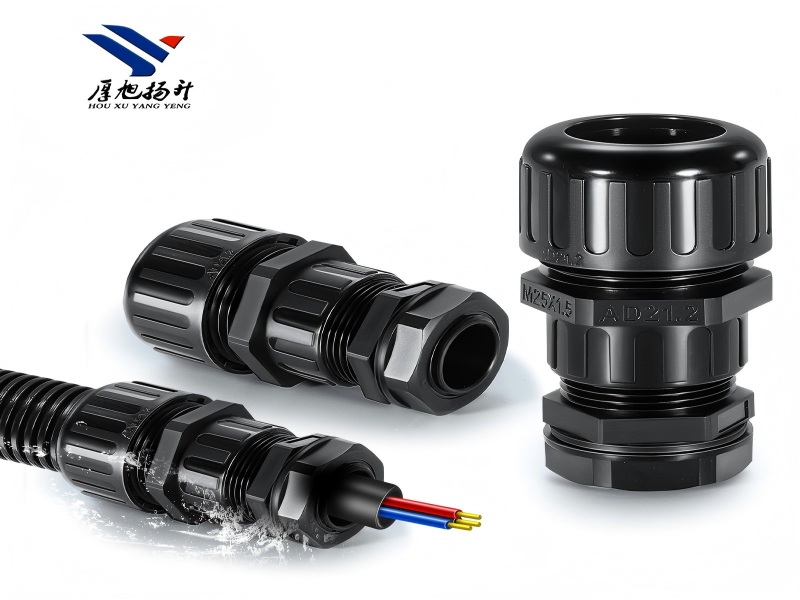
For engineers designing equipment that must survive harsh outdoor environments, the humble cable connector often represents the single greatest point of vulnerability. A single droplet of water finding its way past a faulty seal can short-circuit an entire control panel, destroy a sensitive sensor array, or trigger a costly system failure. The difference between a reliable industrial connection and a catastrophic leak often comes down to how the connector's sealing system is engineered. The best waterproof cable connectors do not rely on a single gasket; instead, they use a deliberate, three-point sealing principle. Each independent seal is designed to block a specific path of water ingress, creating a redundant defense system. Understanding how these three seals work together helps specifiers choose the right connector for their specific operating conditions and ensures that the electrical system remains protected, year after year.
The Mating Face Seal: Blocking Water at the Connection Point
When two connector halves are joined together, the gap between the male and female interfaces presents the first potential entry route for moisture. The mating face seal is positioned directly at this contact plane. Typically constructed from precision-machined silicone or fluororubber O-rings, this seal sits within a specially engineered groove. As the connector halves are tightened, the elastomer is compressed by a carefully controlled percentage of its original diameter. This compression ensures that the seal exerts uniform pressure along the entire perimeter, effectively blocking dust and water droplets from penetrating the connection. However, the performance of this seal is highly dependent on the material's ability to recover its shape after repeated plugging and unplugging. High-quality materials exhibit low compression set, meaning they will spring back to their original form even after thousands of mating cycles. Without this resilience, the seal would flatten out, leaving gaps that invite moisture ingress.
The Cable Entry Seal: Radial Compression and Strain Relief
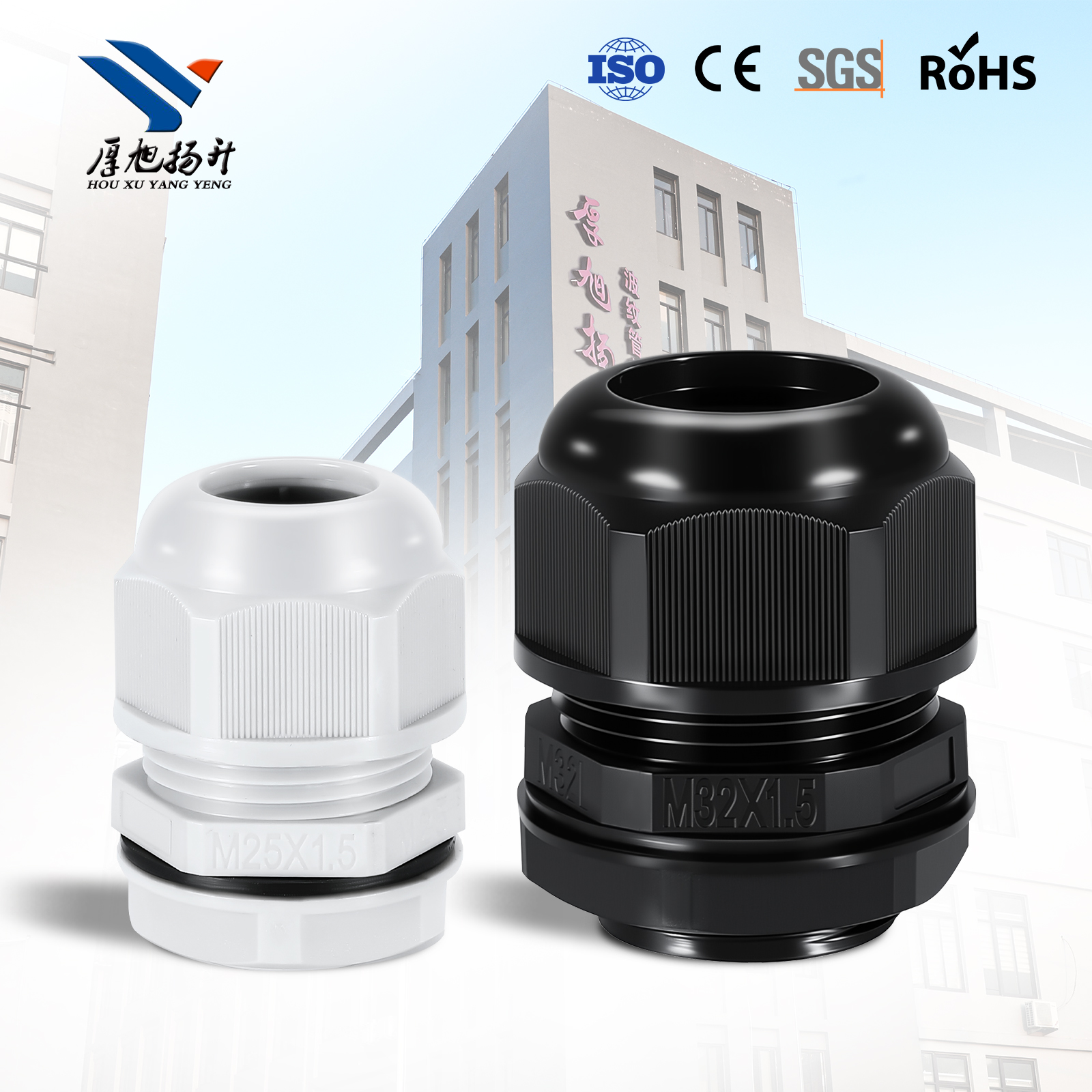
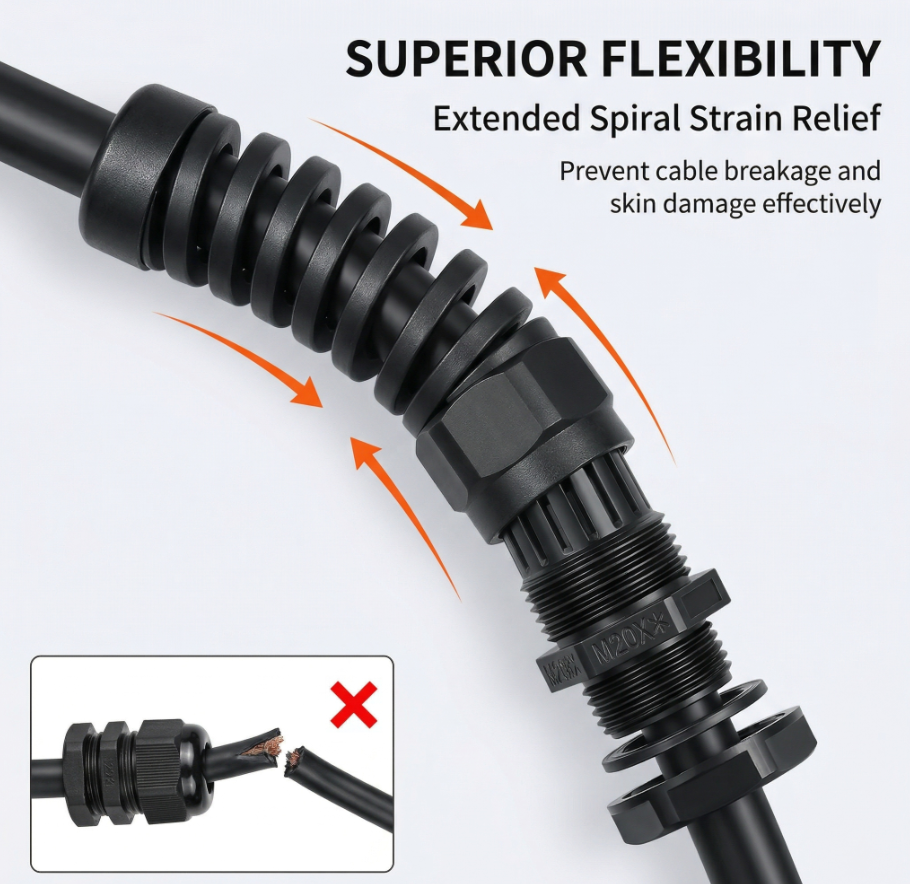
Where the electrical cable exits the back of the connector, a different sealing mechanism is required. The cable entry seal must perform two distinct tasks simultaneously: it must block water from wicking along the outside of the cable jacket, and it must provide strain relief to protect the internal electrical contacts. This is typically achieved through a cable gland system. When the compression nut is tightened, a tapered grommet is forced inward around the cable jacket. This radial compression creates a tight, circumferential seal that effectively stops water from traveling through the tiny channels between the cable strands. At the same time, the grommet anchors the cable firmly in place, preventing sharp bends or pulling forces from damaging the wires. In applications where the cable undergoes constant flexing, such as on robotic arms or heavy machinery, the grommet material must retain its grip without degrading. Thermoplastic elastomers offer a good balance of flexibility and durability, while fluororubber is often chosen for environments exposed to extreme temperature shifts or aggressive chemicals.
The Connector Body Seal: A Barrier Against Hydrostatic Pressure
Even if the mating face and cable entry seals are perfectly intact, water can still find its way inside through the structural joints of the connector housing itself. The body seal is designed to protect the internal cavity from this threat. This seal is often a flat gasket located between the two halves of the shell, or a continuous O-ring seated within the coupling ring. When the connector is deployed in a submerged environment, the body seal must withstand hydrostatic pressure. As the depth increases, the force driving water inward grows significantly. If the gasket material is too soft or the groove is improperly machined, the pressure can force the seal to extrude out of its channel, creating a direct path for water. Robust connectors used in subsea or deep-well applications often incorporate backup rings alongside the main O-ring to prevent this extrusion. Additionally, the body seal must resist the micro-movements caused by constant machinery vibration, which can abrade sealing surfaces over time.
Decoding IP Ratings: What the Tests Actually Mean
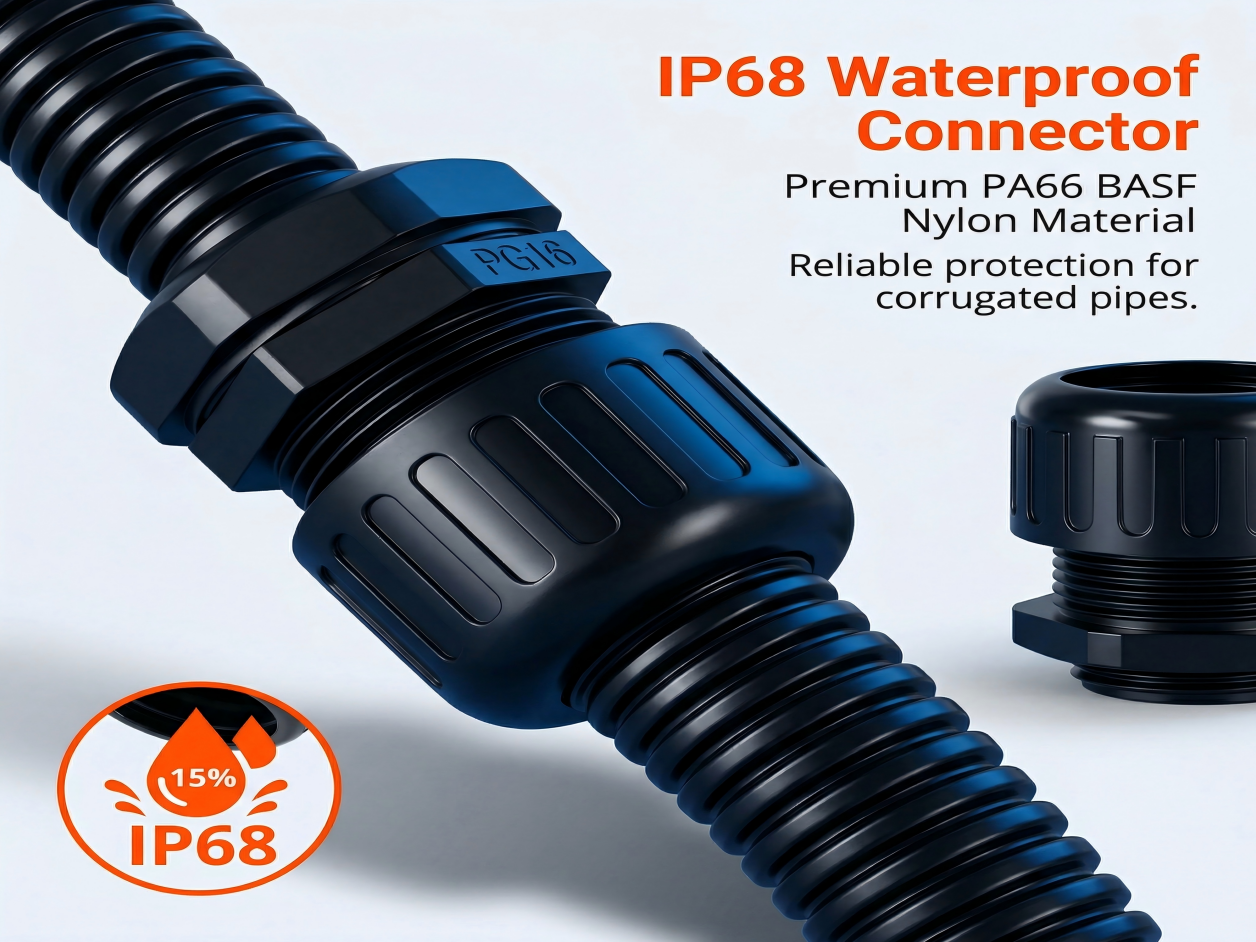
Industrial purchasers often rely on the Ingress Protection rating system to gauge a connector's waterproof capability. However, misinterpreting these codes is a surprisingly common source of specification errors. An IP68 rating, for instance, guarantees that the connector is suitable for continuous submersion beyond one meter. But the critical details—exactly how deep and for how long—are left to the manufacturer to define. One manufacturer might test a connector at five meters for two hours, while another might certify its product for ten meters of continuous submersion. The end-user must look past the two-digit rating and carefully review the test report. An IP69K rating presents an entirely different scenario. This rating certifies that the connector can withstand high-pressure, high-temperature water jets, which is essential for food processing and sanitation applications. Yet, this protection against forceful spray does not guarantee it will remain sealed underwater. It is possible for a connector to pass the IP69K jet test while failing the deep submersion test.
The Material Sciences Behind Long-Term Sealing Performance
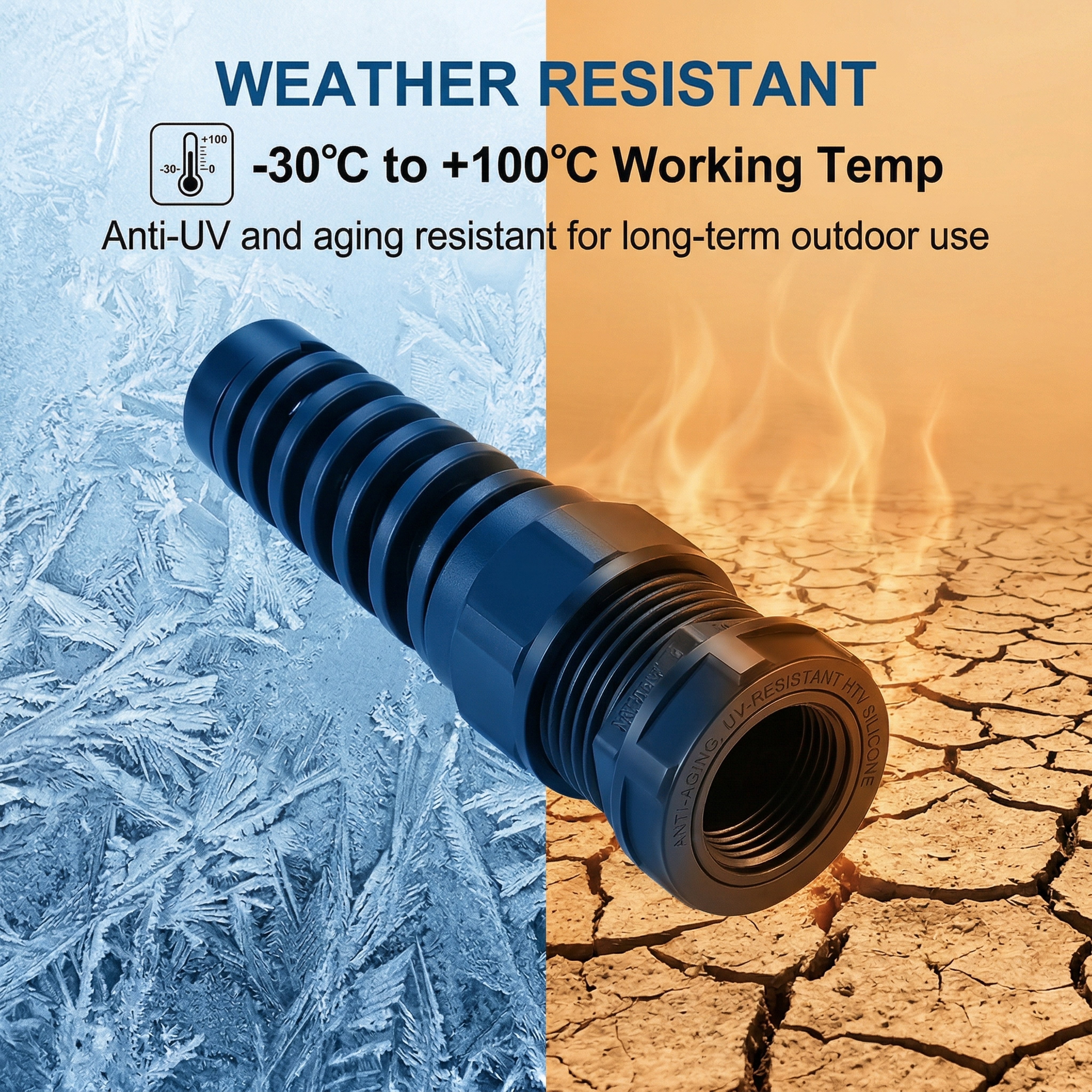
The choice of elastomer used for the O-rings and grommets is critical to the long-term reliability of the seal. Silicone is widely favored for its excellent resistance to compression set and its ability to perform across a broad temperature range. It is particularly effective in static applications where the connector is not frequently unplugged. However, silicone degrades when exposed to oils and certain fuels. Fluororubber offers outstanding resilience against oils, acids, and solvents, making it the go-to choice for industrial machinery and chemical plants. It retains its sealing force under extreme thermal cycling, but it tends to be more expensive and slightly harder to compress. Thermoplastic elastomers provide a cost-effective solution for moderate environments where the connector is not subjected to extreme heat or aggressive media. Selecting the correct material requires a detailed understanding of the specific chemicals and temperatures the connector will encounter during its service life.
Installation Practices That Preserve Seal Integrity
Even the most meticulously engineered waterproof connector can fail if the installation process is careless. The sealing system relies on uniform pressure distribution, which means that the mating surfaces must be completely clean and free of debris before mating. A single grain of sand trapped beneath an O-ring creates a microscopic channel that water can traverse. The torque applied to the coupling nut must be strictly controlled; over-tightening can crack the shell or flatten the gasket, while under-tightening leaves an insufficient seal. In high-vibration environments, applying a specialized thread-locking compound to the mating threads helps prevent the connector from loosening. Furthermore, cable routing must ensure that the cable does not pull tightly against the entry gland. Following disciplined, documented installation protocols dramatically reduces the risk of premature sealing failure.
Why Precision Manufacturing Defines Connector Reliability
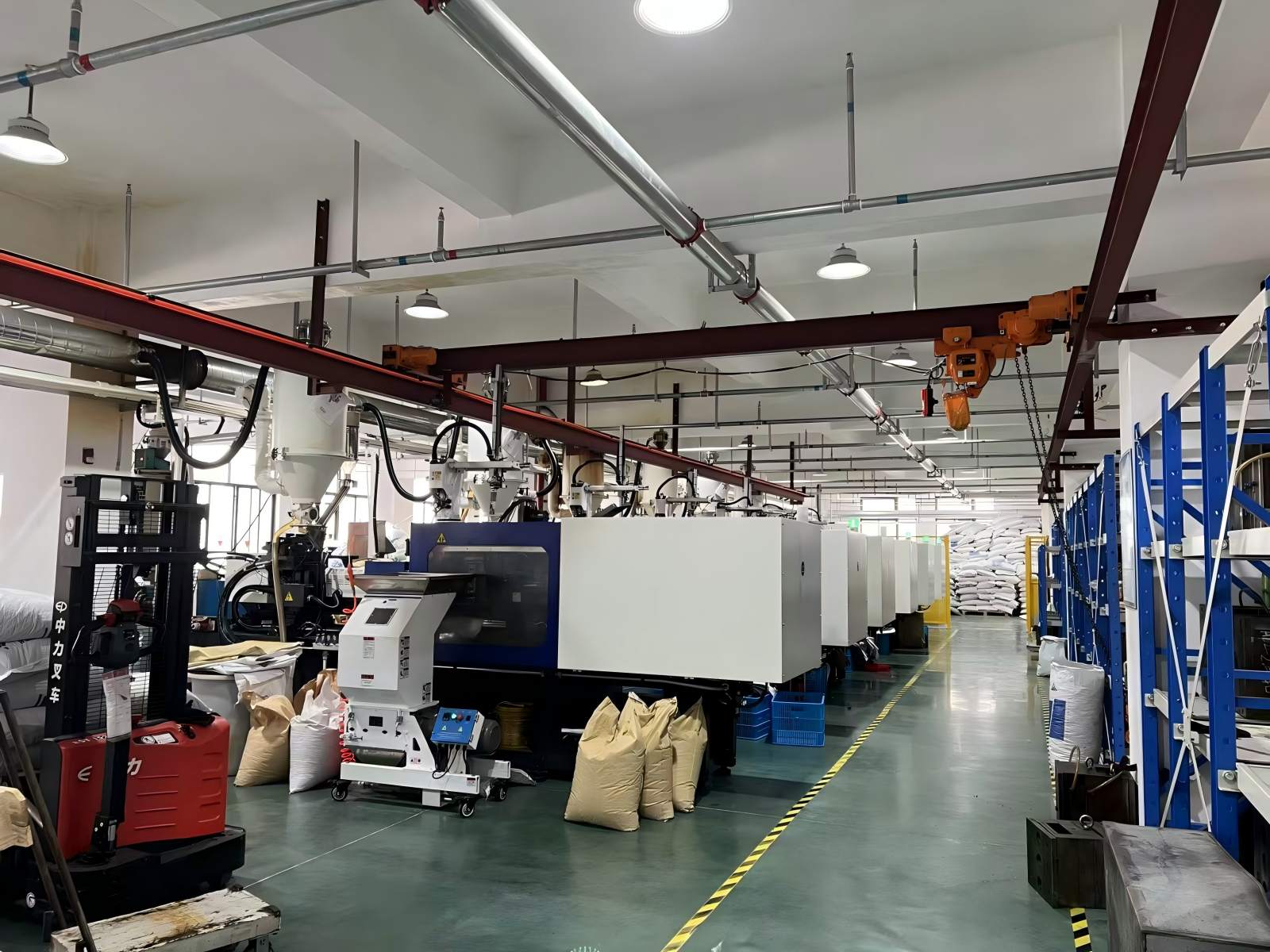
Ultimately, the performance of a waterproof cable connector is a direct reflection of the manufacturing discipline applied to its production. The exactness of the O-ring groove dimensions, the finish quality of the mating shell surfaces, and the consistency of the elastomer formulation all determine how the connector will perform. Manufacturers who adhere to recognized international quality management systems, such as ISO 9001, maintain strict tolerances and conduct rigorous leak testing on every production batch. By overseeing the sourcing of raw polymers and maintaining traceability from the molding press to the final assembly, reputable suppliers guarantee that the sealing system operates exactly as engineered. For an engineer who relies on these connectors to protect critical control circuits in the field, sourcing from a disciplined, quality-focused manufacturer provides the ultimate confidence that the electrical connection will remain safe and dry for decades.