 EN
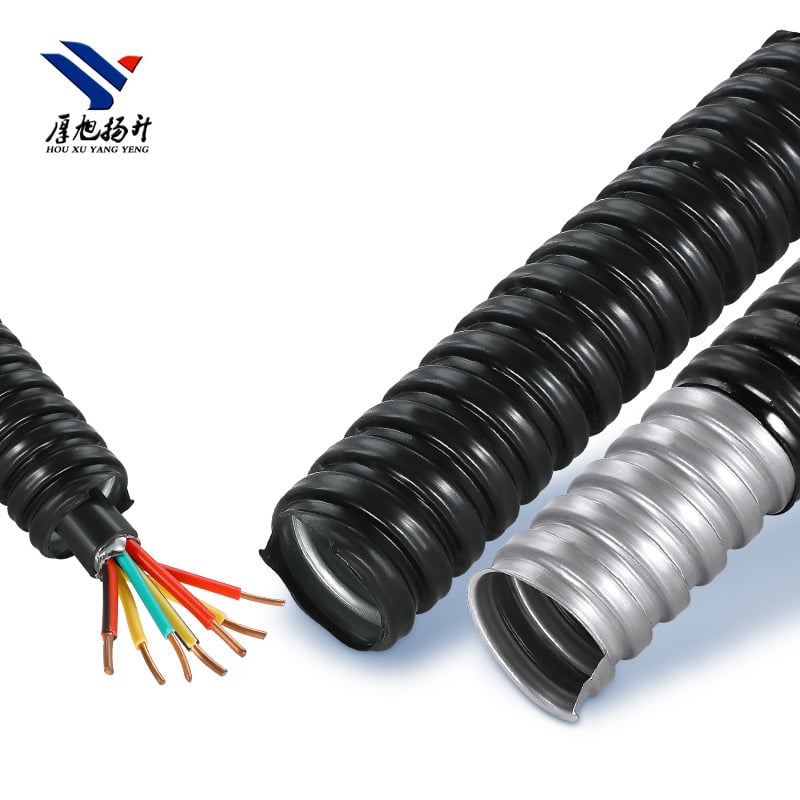
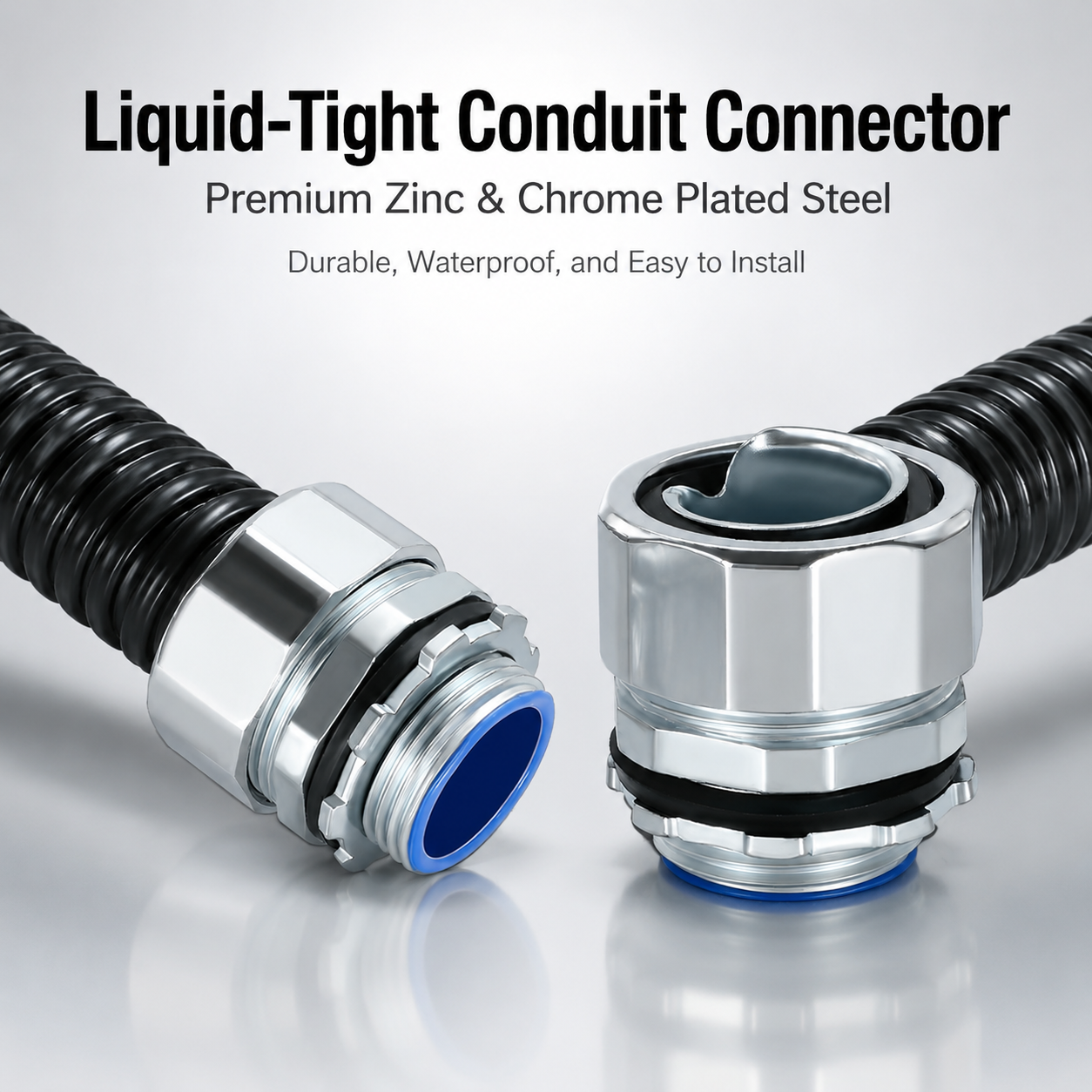


What Materials Are Used for Conduits Fittings?
Conduits fittings are the parts that join, terminate, support, redirect, or seal a raceway system. The material matters because the fitting is often where a conduit run meets an enclosure, changes direction, or faces water, vibration, heat, and chemicals. In daily electrical-installation work, a fitting that looks suitable on a catalog page can still be the weak point if its material, thread, seal, and conduit type do not work together.
There is no universal material choice for conduits fittings. The sensible choice starts with the conduit material and continues through the installation environment, the required protection level, and the project’s applicable code and listing requirements. That is more useful than selecting only by unit price or appearance.
Common materials used for conduits fittings
Most conduits fittings are made from metal or polymer. Within those two groups, the common choices have very different strengths.
| Material | Where it is commonly considered | Key selection point |
|---|---|---|
| Galvanized or zinc-coated steel | General industrial metallic conduit systems | Strong mechanical protection, but coating condition and corrosive exposure need review. |
| Stainless steel | Corrosive, washdown, coastal, food-processing, or chemical environments | Often selected for corrosion resistance, but grade, mating materials, and the complete system still matter. |
| Aluminum | Lightweight metallic raceway applications | Weight can be an advantage; assess corrosion exposure and compatibility with adjacent metals. |
| Brass or nickel-plated brass | Threaded connectors, cable-entry and sealing-oriented applications | Useful where robust threads and sealing arrangements are required, subject to the actual listed system. |
| PVC | Nonmetallic conduit systems and many wet or corrosive locations | Corrosion resistance is a benefit; temperature, impact exposure, UV suitability, and solvent-cement procedure must be checked. |
| Nylon, PA, PP, or other engineering plastics | Flexible conduit connectors and lightweight cable-protection systems | Confirm temperature, UV, chemical, thread, and pull-out performance for the selected grade. |
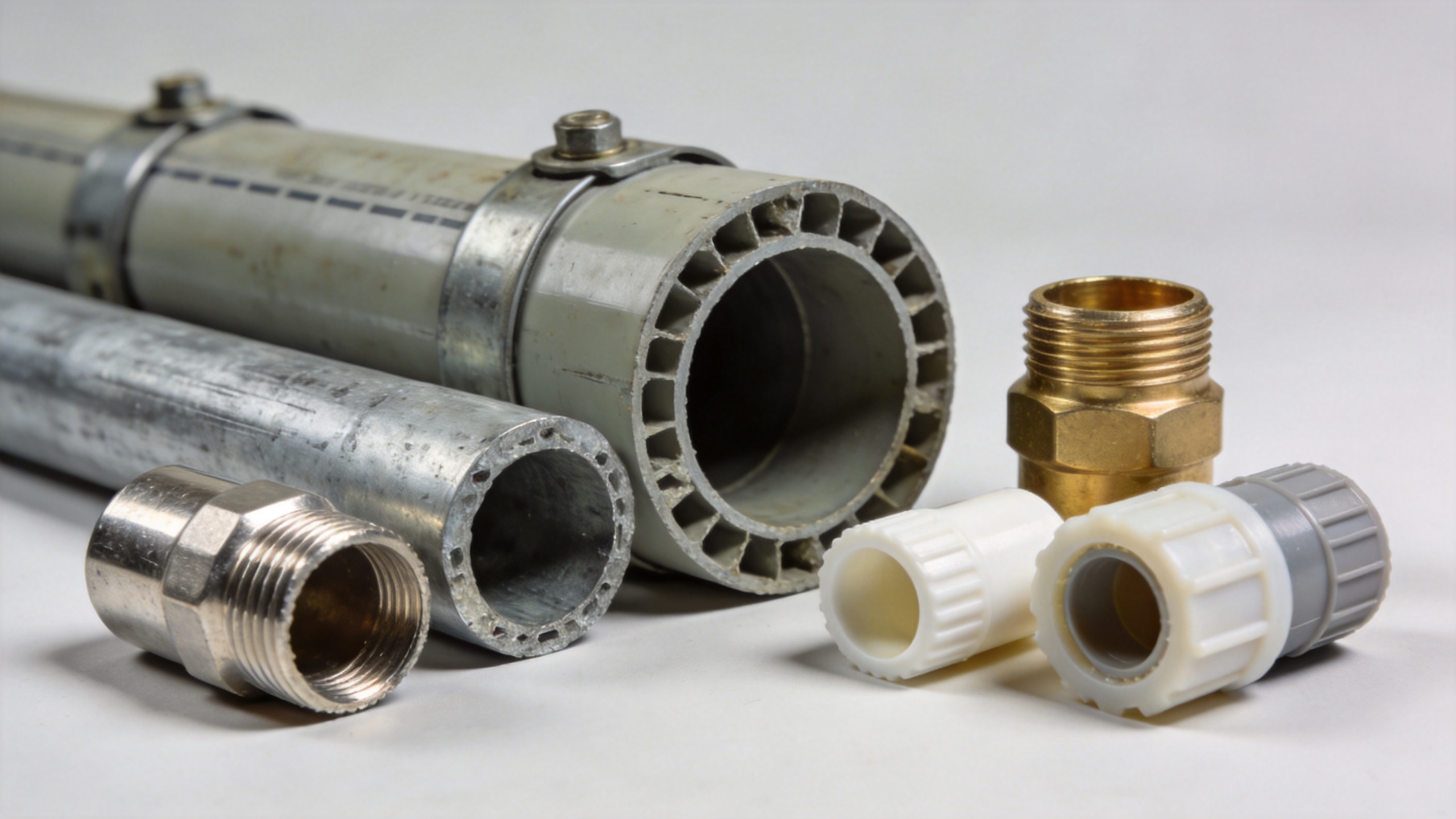
Metal conduits fittings: steel, stainless steel, aluminum, and brass
Steel conduits fittings are common where physical protection, threaded engagement, and a durable industrial installation are priorities. Galvanized finishes can provide useful protection in ordinary service, but no metal fitting should be treated as automatically suitable for every wet or chemical area. Damage to a coating, trapped moisture, and the chemistry of the site can change the decision quickly.
Stainless steel conduits fittings are often considered when corrosion is the main concern. They may be appropriate for coastal air, repeated washdown, food-related processing areas, or aggressive industrial atmospheres. That recommendation has a condition: the fitting grade, gasket or seal, conduit material, enclosure material, and cleaning chemicals all need to be compatible. Stainless is not a substitute for checking the complete installation.
Aluminum conduits fittings can reduce weight and are used in suitable metallic systems. Guidance on corrosion protection recognizes that aluminum fittings and enclosures can be used with steel conduit or EMT where the installation is not subject to severe corrosive influences. The practical takeaway is not that any mixed-metal combination is acceptable; it is that environment determines whether the pairing is reasonable. In a severe corrosive location, investigate the applicable requirements and manufacturer documentation rather than relying on a general rule.
Brass and nickel-plated brass are frequently used where threads, clamping, and sealing are central to the connector’s function. For conduit systems that carry flexible or corrugated protection, the real question is whether the connector is designed and listed to grip that exact conduit profile. A metal body alone does not guarantee a secure or liquid-tight joint.
Nonmetallic conduits fittings: PVC and engineered plastics
PVC conduits fittings are valued for their resistance to rust and many corrosive conditions. They are widely used with PVC raceways, especially where moisture and soil exposure make bare metal a poor default choice. However, PVC is not simply a low-cost substitute for metal. It has its own operating limits, thermal expansion behavior, impact considerations, and joining rules.
Before choosing PVC conduits fittings, verify the specific product’s listing and published temperature limits. Manufacturer guidance varies by product; published examples include a rigid PVC continuous operating limit of 75°C and normal installation guidance in a much narrower temperature band. Those figures should not be copied into a specification without checking the exact conduit-and-fitting system. In practice, heat near process equipment, cold-weather installation, sunlight exposure, and expansion on long outdoor runs deserve separate review.
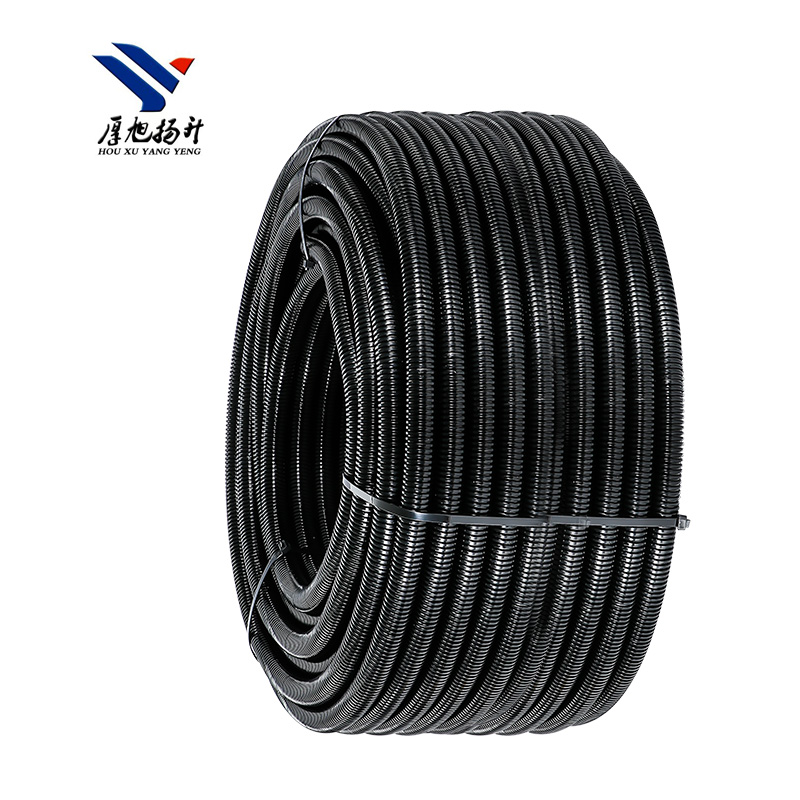
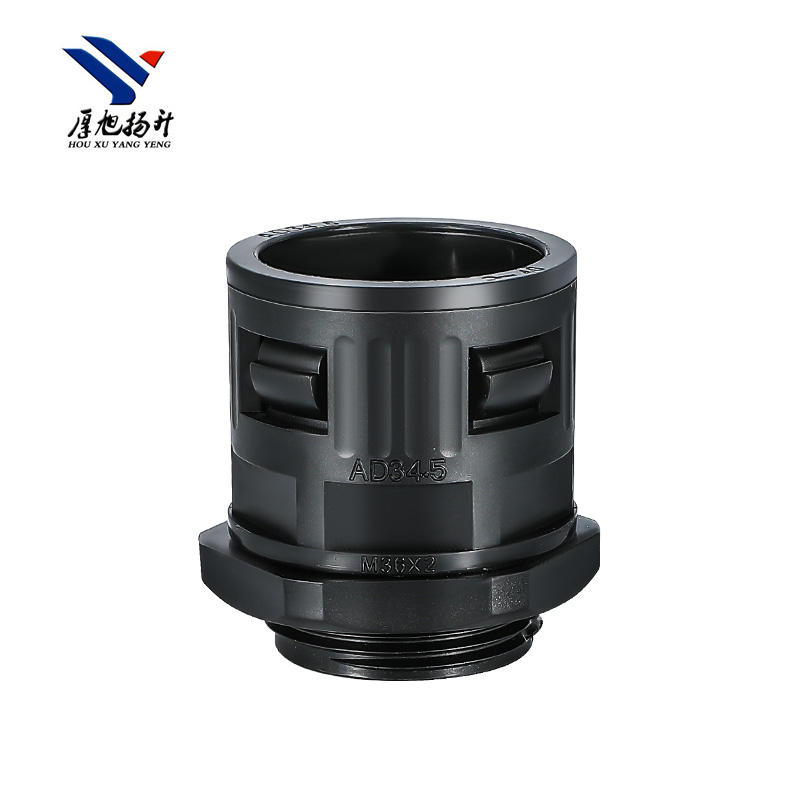
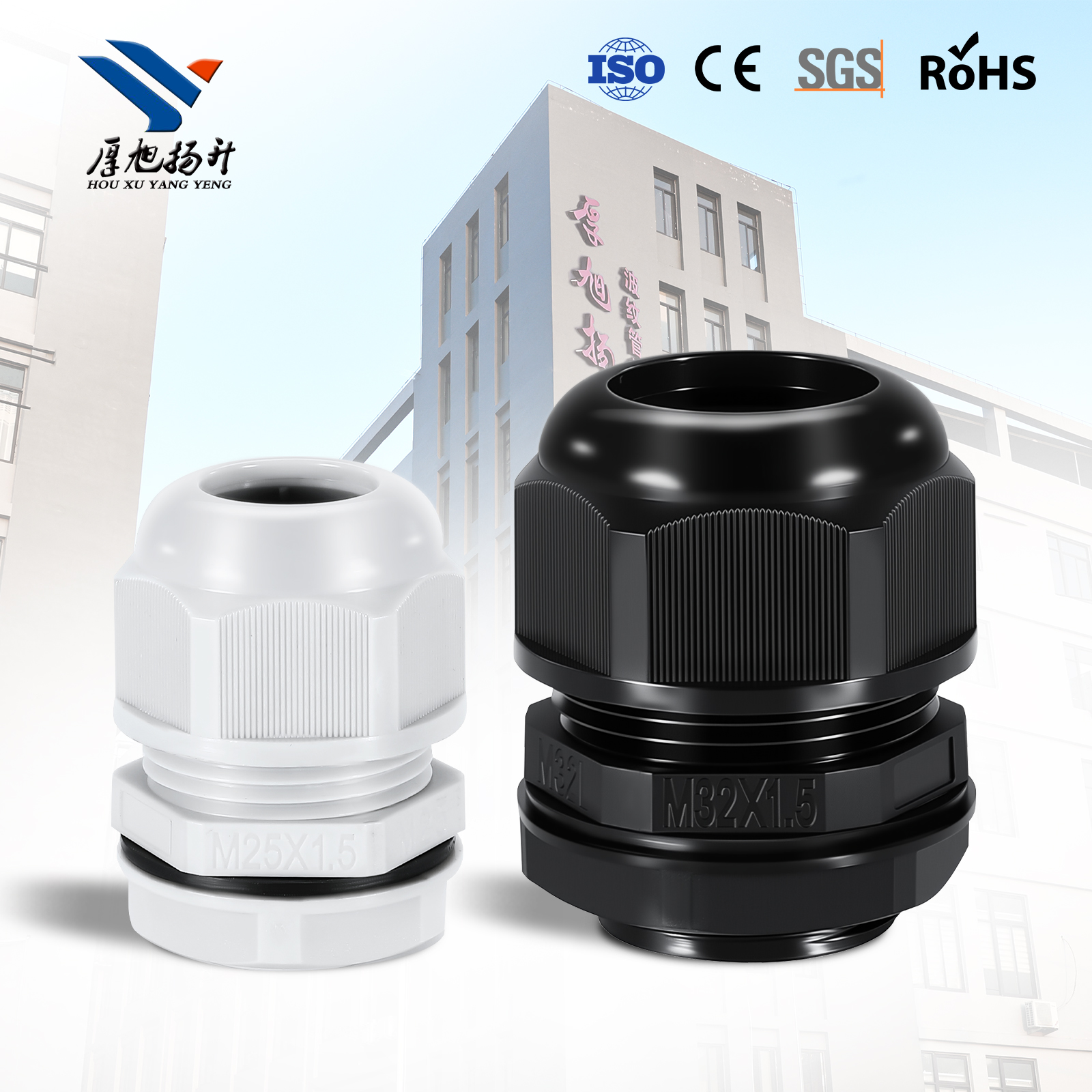
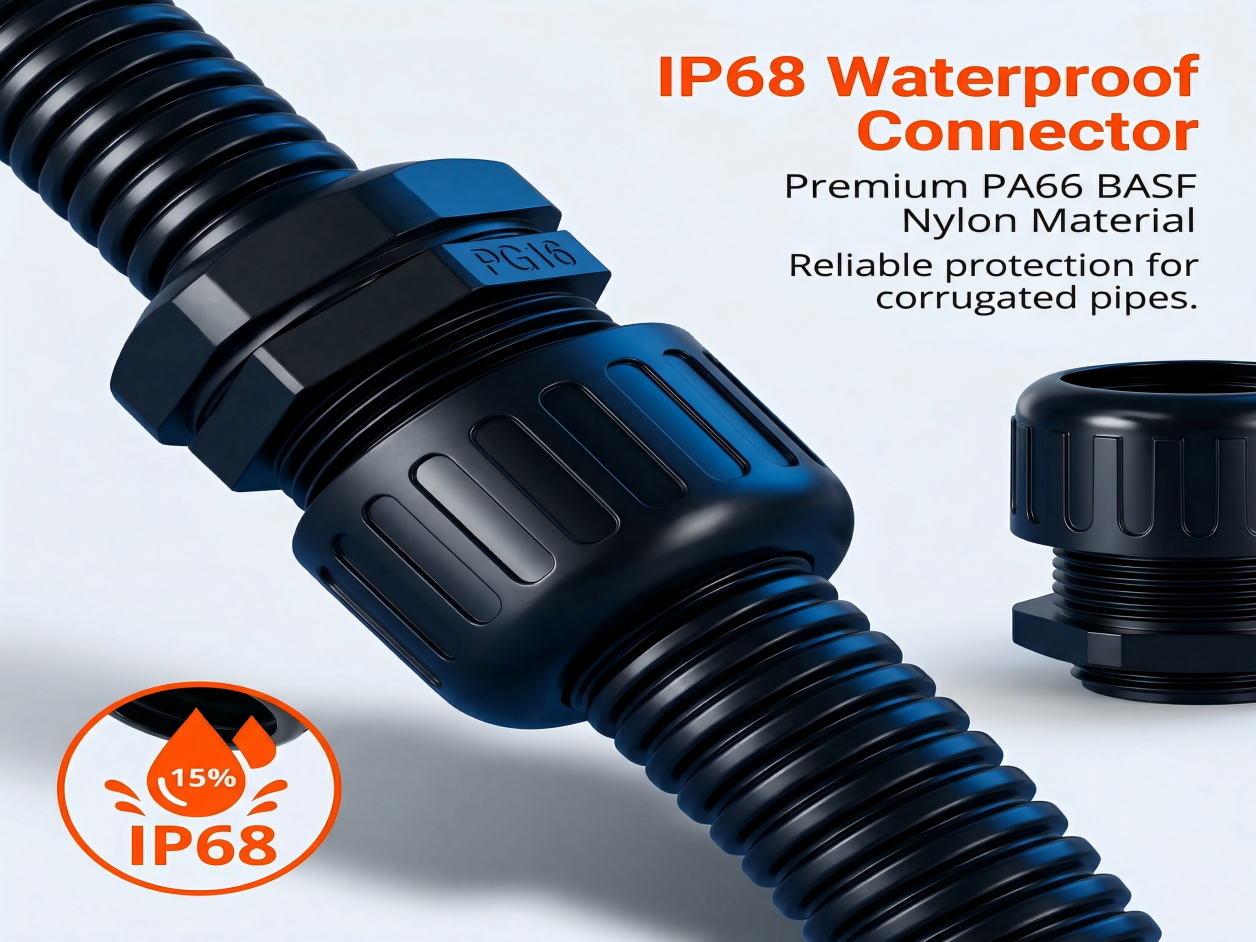
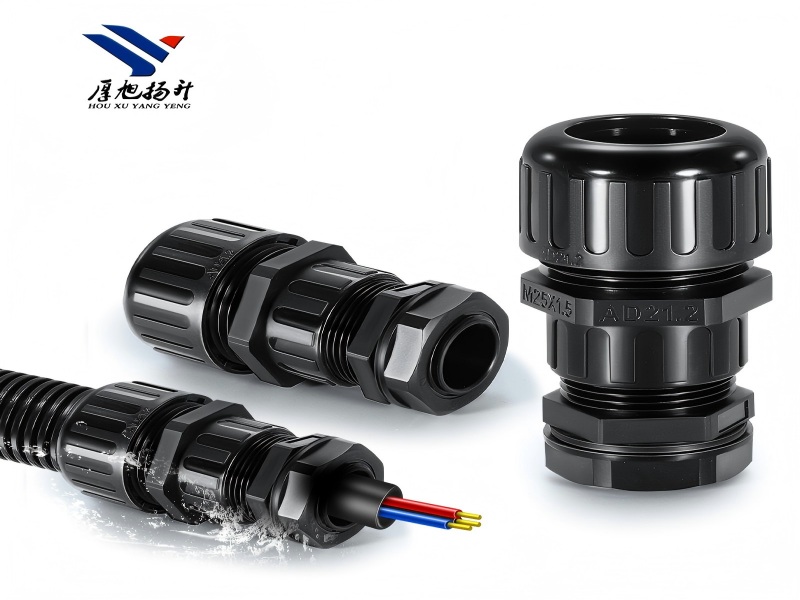
Nylon, PA, PP, and similar polymers are common in flexible conduit connectors and cable-protection accessories. These conduits fittings can be light, corrosion resistant, and useful for equipment connections, but polymer grade matters. Ask whether the selected material has been evaluated for the ambient temperature, oil or cleaner exposure, UV exposure, vibration, and expected cable movement. A standard nylon connector that works indoors may not be the right choice near hot machinery or in an outdoor chemical environment.
Match the fitting material to the installation condition
A straightforward selection framework prevents most material mistakes in conduits fittings:
- Start with the conduit. Identify whether it is rigid metal, EMT, PVC, liquid-tight flexible metal, nonmetallic flexible conduit, or corrugated tubing. The fitting must be made for that conduit style and size.
- Define the environment. Consider indoor dryness, washdown, outdoor weather, salt air, chemicals, oils, temperature extremes, UV, and vibration. One material cannot optimize every condition.
- Check the joint function. Is the fitting only a coupling, or must it also provide grounding continuity, strain relief, a liquid-tight seal, or a secure enclosure entry? Material is only one part of that function.
- Verify threads and dimensions. Metric, PG, NPT, and other thread families are not interchangeable. Measure the conduit or cable outside diameter and confirm engagement details before ordering.
- Confirm listing and documentation. For liquid-tight or raintight work, use conduits fittings that are identified for the relevant conduit and application. Do not assume a connector seals because it appears similar to a listed product.
Why liquid-tight selections need extra care
Liquid-tight conduits fittings illustrate why material alone is not enough. Catalogs for applicable liquid-tight systems describe fitting series used with listed liquid-tight flexible metal conduit and identify liquidtight, raintight, or oiltight uses as applicable. The seal depends on the complete assembly: conduit type, connector geometry, gasket or sealing components, tightening method, and the enclosure interface.
So, if an outdoor cabinet or washdown area needs a liquid-tight entry, do not select conduits fittings only because the body is stainless steel, brass, or plastic. Verify the actual system designation, the environmental rating, cable or conduit range, and installation instructions. That extra check is usually much cheaper than tracing water ingress after commissioning.
A practical material checklist for buyers and installers
Before releasing a purchase order for conduits fittings, collect the conduit type and nominal size, outside diameter where relevant, thread standard, enclosure material, environmental exposure, temperature range, required ingress protection, grounding needs, and any project-specific approval requirement. If a supplier offers PA6, PA12, PP, nylon, stainless steel, or nickel-plated brass options, ask for the material and application documentation that applies to the exact part number—not a generic statement about the product family.
The appropriate material choice fits the entire raceway system and its real operating conditions. Steel may be right for a protected industrial run; PVC may be the better choice in an appropriate corrosive or underground application; stainless steel may justify its cost in a demanding washdown or coastal location; and engineered plastic may be effective for a compatible flexible connection. Select conduits fittings as a system component, verify the details before installation, and the finished run is far more likely to remain secure and serviceable.