 EN
What Are the Benefits of Metal Hose?
A metal hose is useful when a run needs flexibility without giving up the mechanical protection expected in industrial work. The phrase can describe several products: flexible metal conduit for cable routing, corrugated stainless assemblies for fluid or gas transfer, or protective metal sleeving. That distinction matters. The benefits of a metal hose come from its construction, alloy, end connections, and installation conditions—not from the word “metal” alone.
From an installation-engineering perspective, a more useful question is not “Is metal better than plastic?” It is: “What problem must this section solve?” A correctly specified metal hose can make routing around machinery easier, protect a vulnerable section, and accommodate movement. An incorrectly specified one can add cost, stiffness, or corrosion risk without improving the installation.
Why a metal hose is valuable in industrial installations
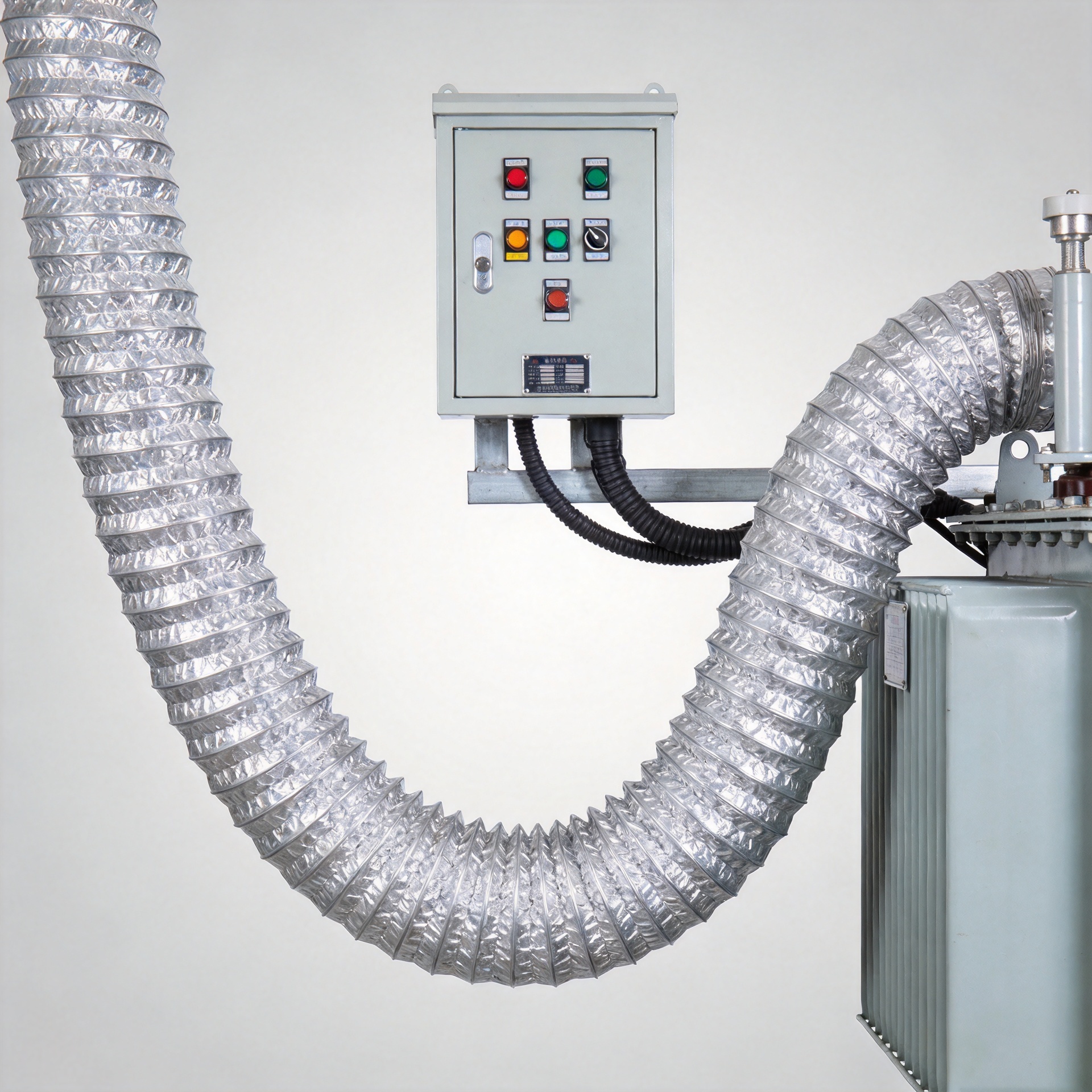
The core advantage of a metal hose is the combination of bendability and physical resilience. Rigid pipe offers fixed geometry, while a flexible assembly can route around equipment, offset a connection, or bridge a short section where alignment is imperfect. This is especially useful at motors, pumps, enclosure entries, moving equipment interfaces, and retrofit locations where a straight path is not realistic.
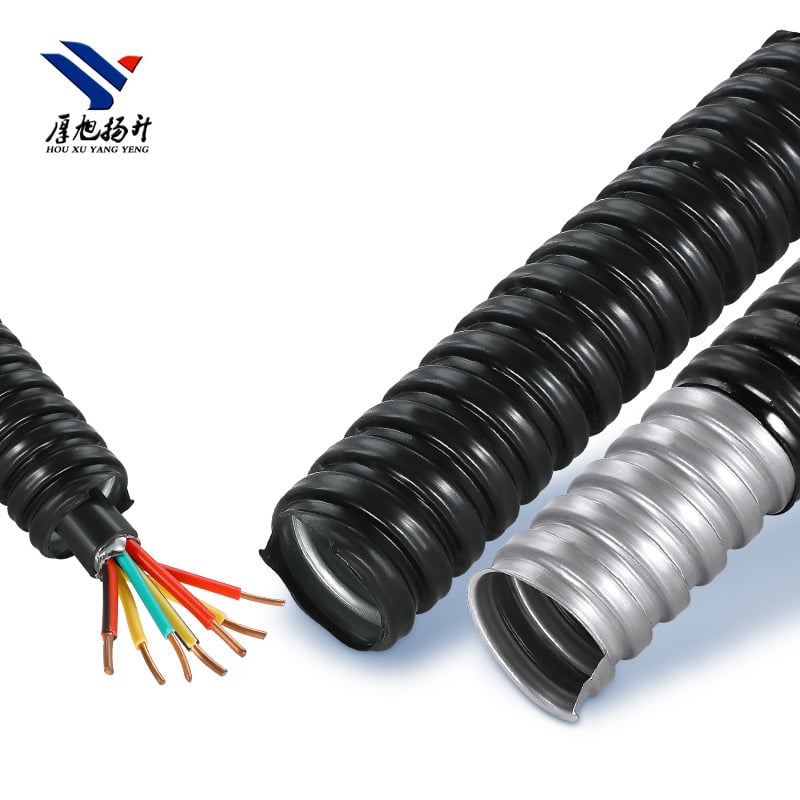
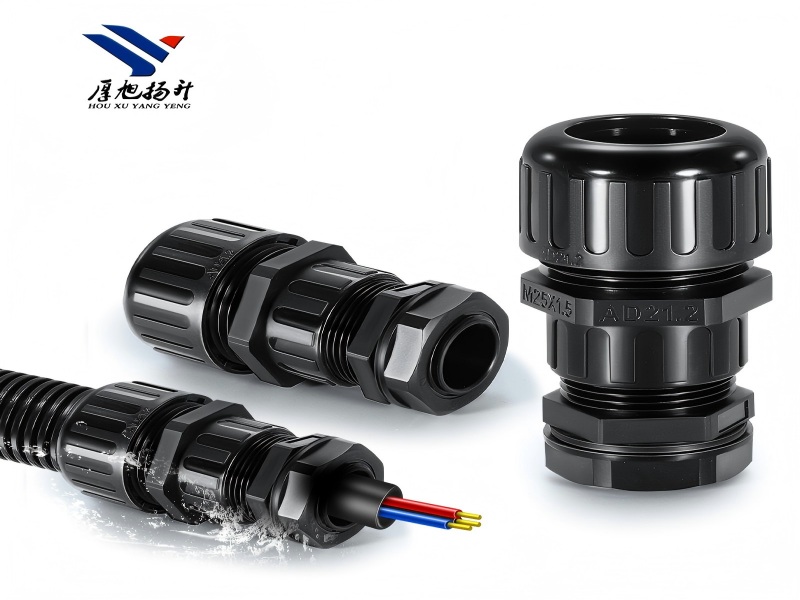
For electrical work, flexible metal conduit is commonly formed from interlocked or spiraled metal. It helps shield conductors from incidental impact and abrasion while making it easier to navigate obstacles than a fully rigid raceway. For process service, a corrugated metal hose can provide a flexible connection between equipment that needs a controlled amount of movement. In both cases, the design intent must be clear before selecting the product.
Five practical benefits of metal hose
1. It accommodates vibration and movement
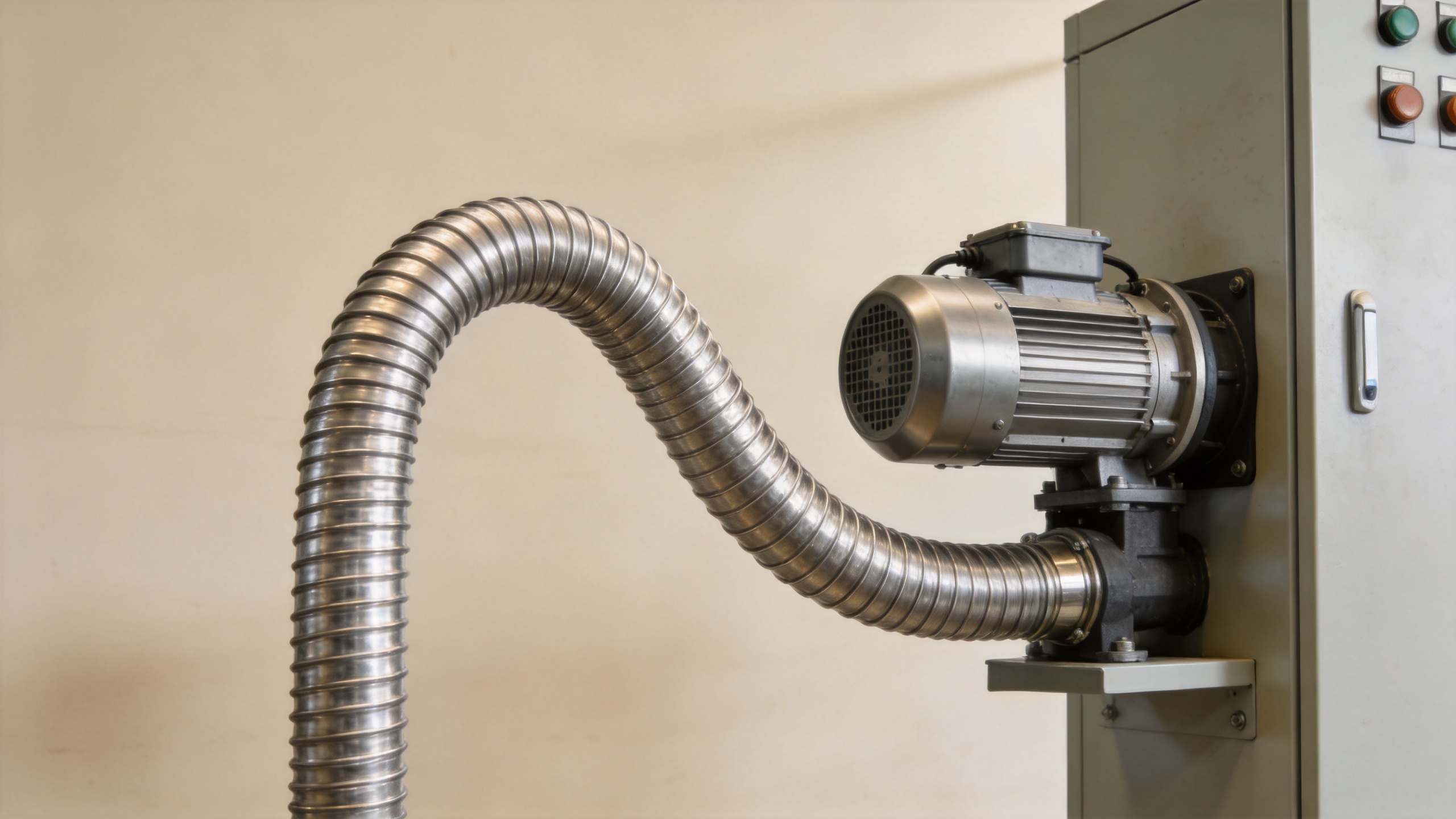
Equipment rarely stays perfectly still. Motors, pumps, compressors, and production machinery transmit vibration into connected lines and cable routes. A properly chosen metal hose can absorb limited movement instead of concentrating it at a rigid joint. That can reduce stress at fittings and help protect cables or connected equipment from repeated rubbing.
This is not a license to use a flexible section as a cure for every vibration problem. Length, bend shape, support spacing, and fitting design all affect fatigue life. In practice, a short metal hose installed with a sharp bend may fail sooner than a correctly supported route with a suitable bend radius.
2. It provides strong physical protection
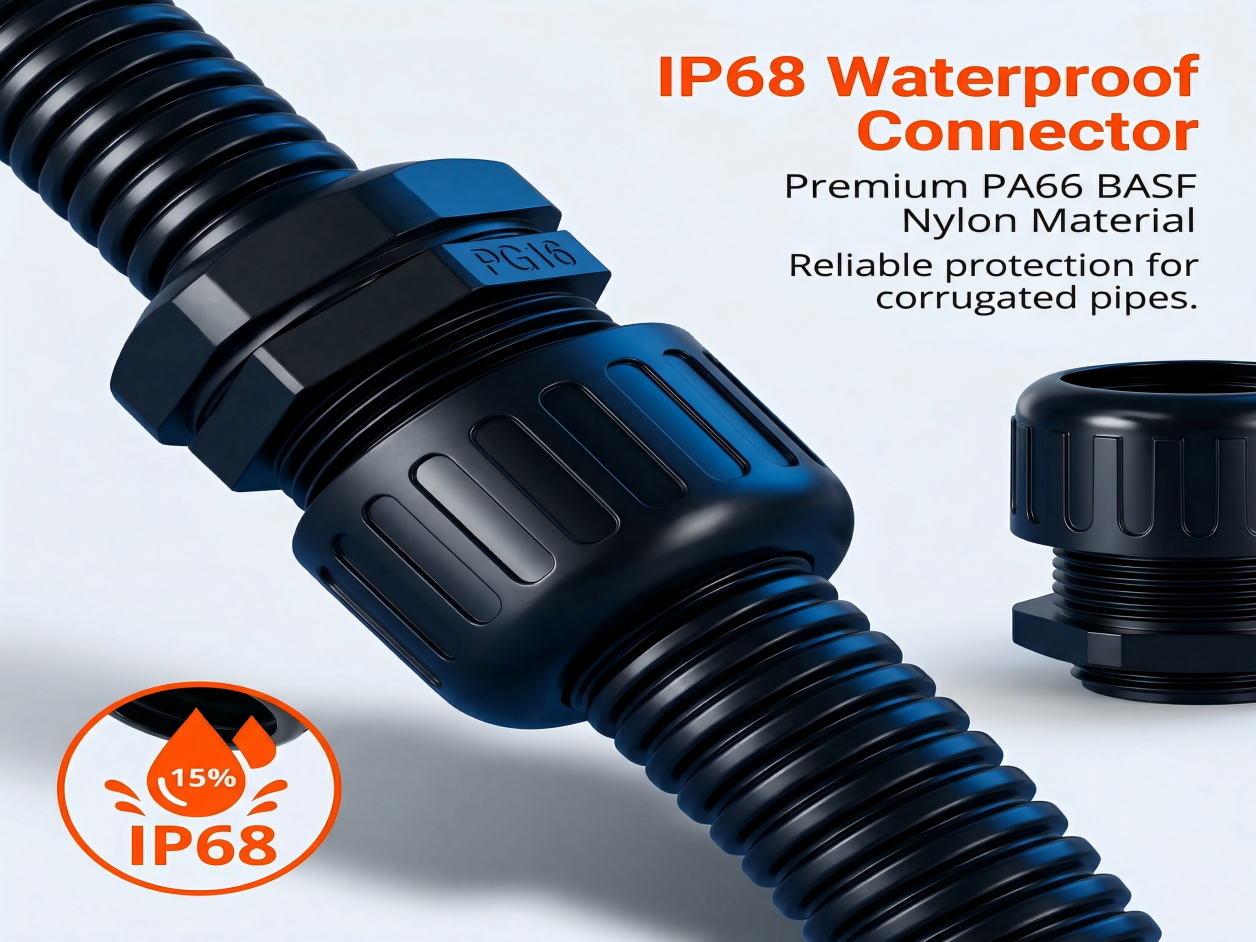
Where cables or transfer lines pass near equipment, a metal hose may offer more resistance to knocks, crushing, and abrasion than many light-duty alternatives. That makes it relevant in machine guarding zones, industrial panels, service areas, and exposed runs. The benefit is strongest when the assembly is paired with compatible connectors and protected from edges that could damage the outer surface.
Protection depends on the complete system. If a cable entry is loose, if a fitting does not fully engage, or if a hose is allowed to chafe against a sharp bracket, the presence of metal alone does not guarantee a durable result.
3. It can suit demanding heat or corrosion environments
Material choice gives a metal hose another important advantage. Stainless steel is often considered where corrosion resistance or elevated temperatures make ordinary materials unsuitable. However, “stainless” is not a complete specification. The media, chlorides, cleaning chemicals, ambient temperature, and exposure duration all need review. Braiding, seals, and end connections may have lower limits than the hose body.
A metal option can therefore be a sound choice for a harsh setting, but it is not automatically the right one. In a mildly corrosive environment, a polymer option may be more economical and adequate. In a highly corrosive setting, even a stainless metal hose may need a more specific alloy or protective approach. Ask for material information and application confirmation before ordering.
4. It improves routing flexibility during installation
A flexible metal hose can simplify the last part of a route when equipment positions, cable exits, or machine access make rigid alignment difficult. It can help an installer avoid unnecessary offsets, reduce the number of direction changes, and create a cleaner transition into an enclosure or machine connection. This can be valuable in retrofits, where existing structures leave little room to rebuild a route.
Flexibility should not be confused with unlimited bendability. Every metal hose needs a manufacturer-stated minimum bend radius. Exceeding it can deform corrugations, restrict flow, damage conductors, or shorten service life. If repeated motion is expected, the dynamic bend requirement may be more restrictive than the static one.
5. It supports long-term maintenance decisions
For OEMs, panel builders, and maintenance teams, a metal hose can make a vulnerable connection easier to inspect and replace than a rigid custom-fabricated section. Standardized sizes and compatible fittings can also make spares planning more straightforward. The practical payoff is not simply a tougher component; it is a route that can be checked for abrasion, loose fittings, corrosion, and fatigue before a small issue becomes downtime.
When metal hose is the wrong choice
A metal hose is not universally superior. It may cost more, weigh more, or be less suitable for tight, continuously flexing routes than a purpose-designed nonmetallic alternative. Some electrical applications also require a complete evaluation of grounding or bonding, liquid-tight performance, connector compatibility, and the governing installation rules. Do not assume a flexible metal conduit or hose assembly provides every property needed simply because it looks substantial.
It sounds counterintuitive, but a heavily built metal hose can underperform if its fittings are mismatched, its bend radius is ignored, or its material is incompatible with the environment. The selection should begin with service conditions, not appearance.
A selection checklist before you specify metal hose
- Define the application: Is the metal hose protecting cables, transferring media, or bridging a vibrating connection?
- Identify the environment: Check moisture, washdown, UV exposure, chemicals, salt air, temperature, and mechanical impact.
- Confirm movement: Distinguish one-time installation bends from recurring vibration or dynamic motion.
- Check dimensions: Verify inner diameter, outer diameter, bend radius, route length, and fitting engagement.
- Review the complete assembly: Hose body, braid, seals, threads, connectors, and mounting method must work together.
- Request documentation: For project-critical work, ask the supplier for relevant dimensional, material, and application information rather than relying on a catalog image.
How to get the full benefit from metal hose
Installation quality determines whether the theoretical benefits of a metal hose appear in service. Leave enough length for the intended movement, avoid twisting during assembly, respect the bend radius, and support the route so weight does not load the connectors. At cable entries, verify that the connector and sealing approach match the enclosure and environmental requirement. At process connections, verify pressure, temperature, media compatibility, and end-connection ratings for the whole assembly.
For buyers sourcing internationally, clear technical communication is just as important as the product itself. A supplier that can provide dimensional data, material options, and application discussion helps reduce the risk of ordering a metal hose that fits the drawing but not the real operating conditions. Zhejiang Houxu Yangsheng Connector Co., Ltd. can be contacted for product-range and technical-documentation discussions related to industrial cable-protection components.
Conclusion
The main benefits of a metal hose are flexibility, physical protection, vibration management, and the ability to select materials for demanding conditions. Those benefits are real only when the assembly matches the route, environment, and duty cycle. Start with the application, verify the whole system, and treat material selection as an engineering decision. That approach turns a metal hose from a generic component into a reliable part of the installation.