 EN
EN
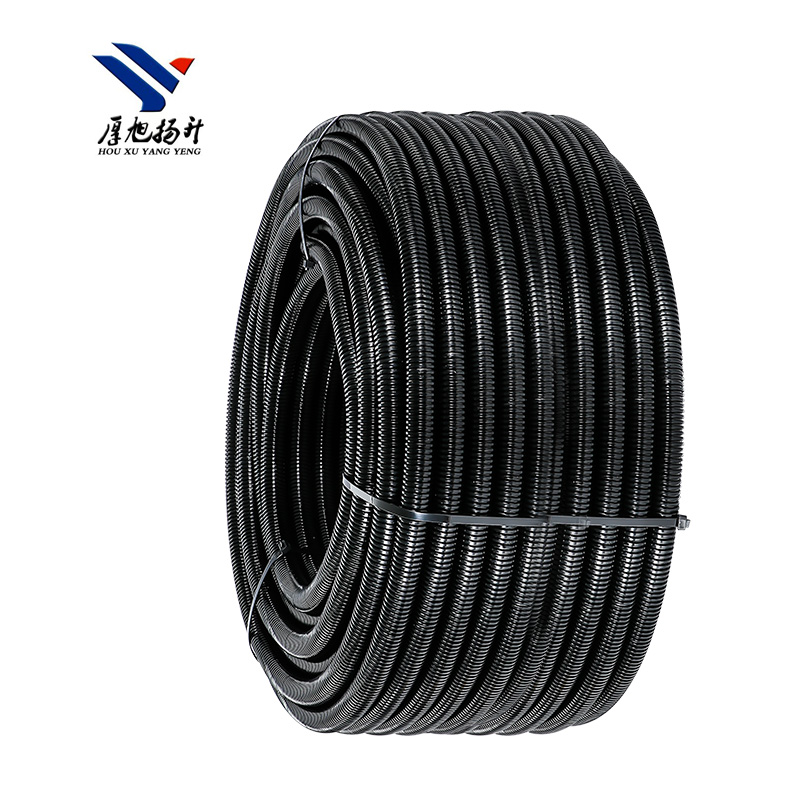
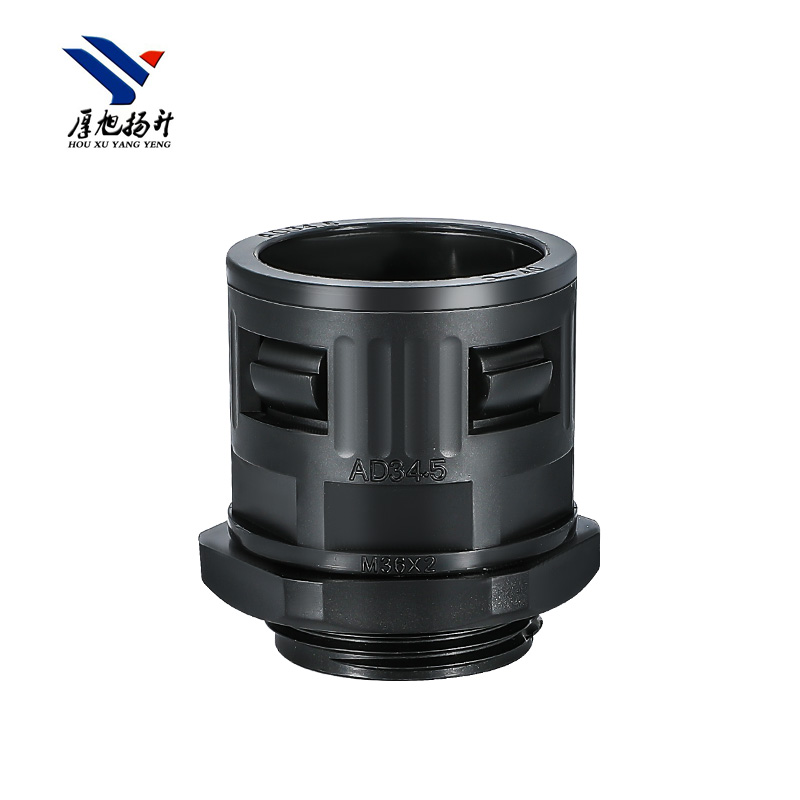
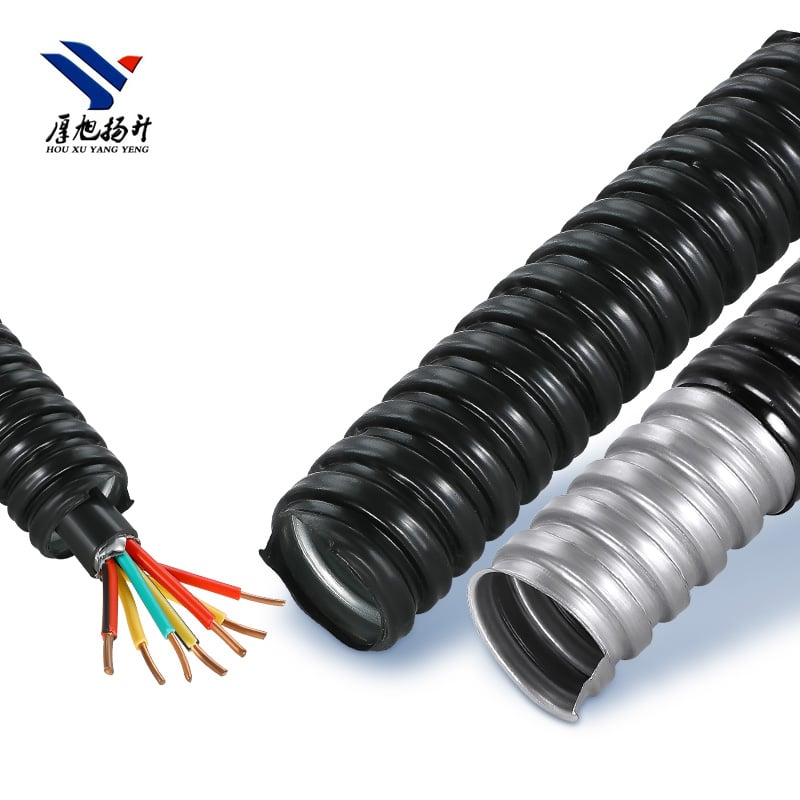
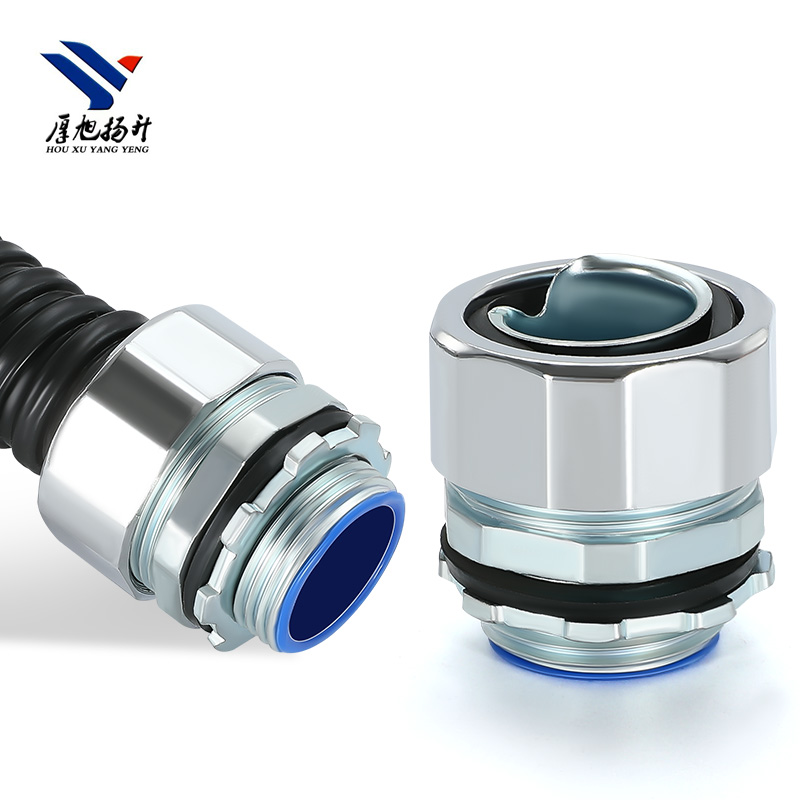
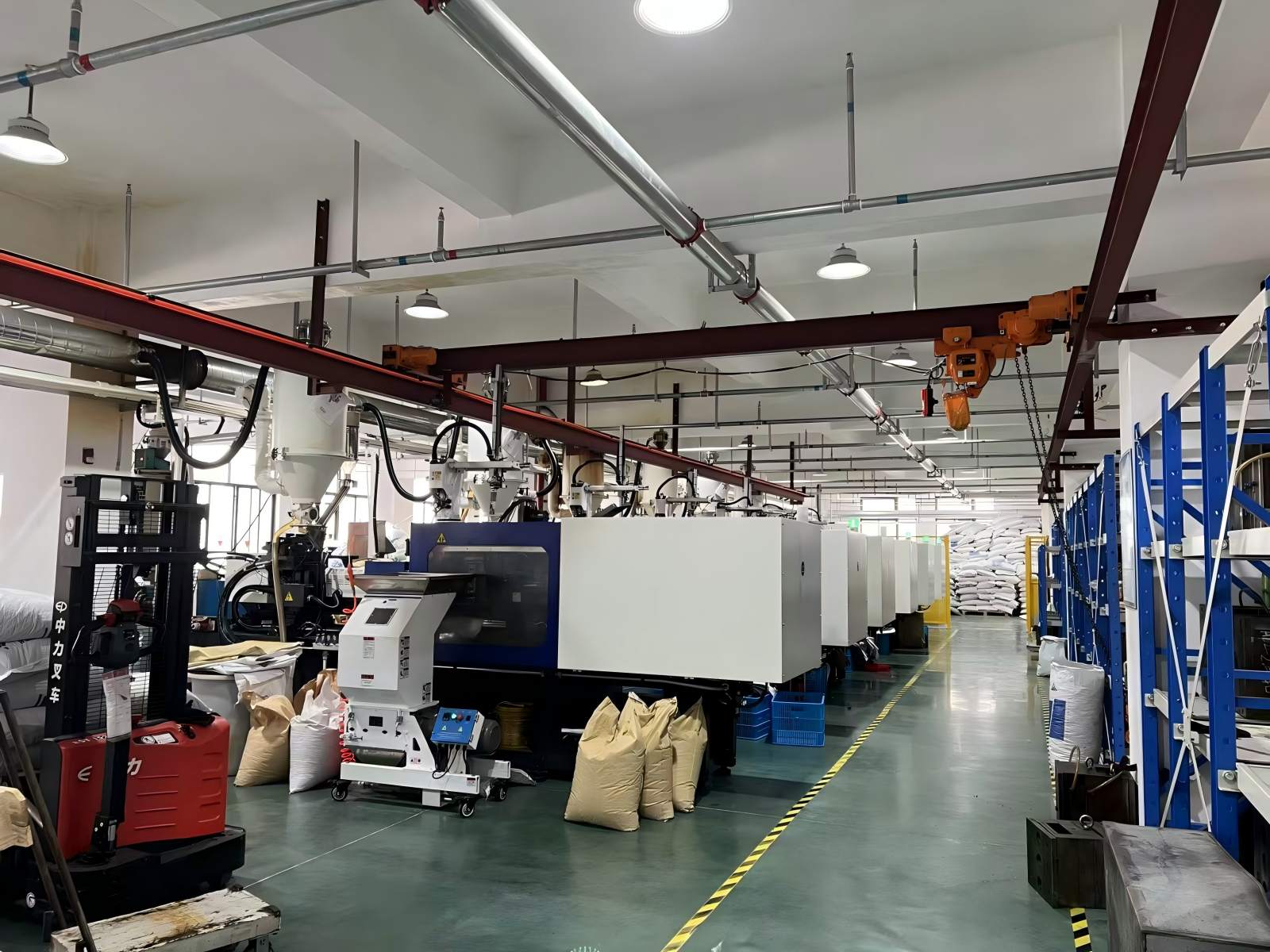
Walking through a modern production facility, the first thing that catches attention is the volume of wiring. Robotic arms, conveyor belts, sensors, and control cabinets all depend on uninterrupted power and signal transmission. In this environment, conduit fittings are more than accessories. They are frontline protection against costly downtime.
A single loose fitting once caused intermittent signal failure on a robotic welding cell at an automotive plant, halting production for nearly two hours. The culprit was not a complex electronic fault but a fitting that could not maintain its seal under continuous vibration. This experience reinforces a simple truth: in automation, system reliability often depends on the smallest components.
Material Science Behind Reliable Conduit Fittings
For conduit fittings to perform effectively in automation, the material must withstand more than physical stress. Industrial environments contain oils, coolants, and temperature extremes that can degrade standard plastics within months.
General-purpose nylon fittings differ significantly from high-performance PA66 options. Glass-reinforced PA66 offers greater tensile strength and creep resistance under constant loads. One machine builder reported that after switching to glass-reinforced PA66 fittings on CNC equipment, replacement frequency due to cracking dropped by over 60% within two years .
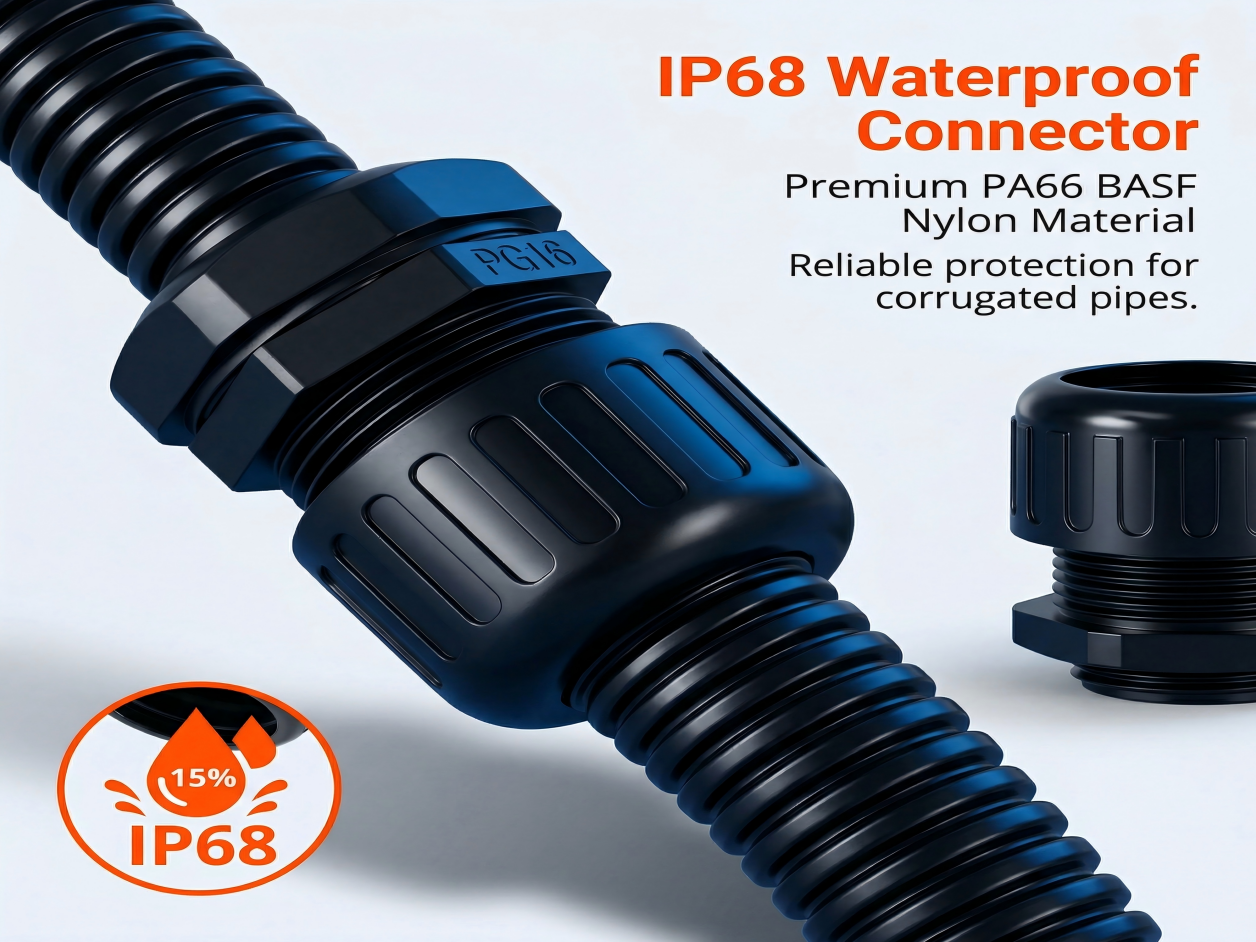
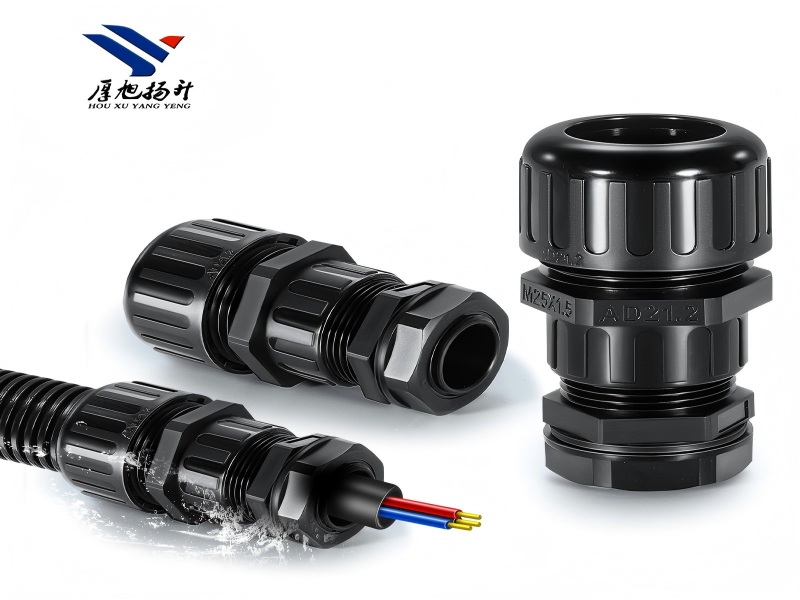
Leading manufacturers now use PA66 with UL94 V-0 flame retardancy and UV stability for outdoor durability. The IP68 rating common in premium fittings provides protection against dust and prolonged immersion in water, critical for washdown environments in food processing or chemical plants .

Where Conduit Fittings Prove Their Value in Automation
The real test comes in demanding applications. Robotics, for instance, requires fittings that tolerate continuous multi-axis movement without loosening. A loose connection exposes cables to abrasion and risks ingress of fine metal dust that can short-circuit sensitive electronics.
At a major automotive supplier’s facility, switching to fittings with anti-vibration swivel designs practically eliminated loosening issues on high-speed robotic arms. Previously, this single problem accounted for 15% of all unplanned maintenance calls.
Control panel cabling presents different challenges. Limited space demands angled fittings that reduce cable stress at sharp bends. One large food processing plant replaced standard straight fittings with 45-degree and 90-degree elbows on their filling lines, extending sensor cable life by nearly 40% .
Quick-Connect Designs and Installation Efficiency
For system integrators, installation speed directly affects competitiveness. Modern quick-connect fittings with push-in designs reduce assembly time by up to 80% compared to traditional threaded connections . These fittings feature integrated locking mechanisms and release rings for fast removal during maintenance.
A custom machine builder standardised on quick-connect nylon fittings for cable routing, cutting assembly time by three hours per machine. This improvement allowed higher throughput without adding labour, directly impacting profitability.
Thread compatibility also matters. Fittings offered in NPT, metric, PG, and UNEF options connect directly to most automation equipment, eliminating adapters and streamlining installation .
Selecting the Right Fitting for the Application
Choosing the right conduit fitting requires a structured approach beyond price considerations.
| Selection Factor | Key Consideration | Impact on Automation |
|---|---|---|
| Environmental Conditions | Exposure to oils, coolants, moisture, or temperature extremes | Prevents premature degradation and ingress failures |
| Movement and Vibration | Dynamic stress from robotics or moving machinery | Maintains seal and prevents loosening |
| Material and Compliance | High-grade PA66 with UL94 V-0 and appropriate IP ratings | Ensures long-term durability and safety |
| Fitting Type | Primary Application | Key Benefit |
|---|---|---|
| Straight Connectors | General cable routing, connecting conduit to junction boxes | Versatile and essential for basic wiring |
| Angled and Elbow Fittings | Navigating tight spaces and sharp corners | Reduces cable stress, enables neat panel wiring |
| Anti-Vibration Swivel Fittings | High-vibration zones like robotics and heavy machinery | Prevents loosening and maintains secure connections |
Solithos: Engineering Support for Automation Projects
The reliability of automation systems increasingly depends on supply chain quality. Solithos, a specialist in cable protection, has built its reputation on addressing these industrial demands. Their range of conduit fittings is engineered for applications from robotics to renewable energy.
The company’s focus on high-quality materials is evident. IP68-rated waterproof connectors, for instance, are manufactured from 100% virgin BASF PA66, selected for its strength and proven resistance to environmental stress . With a track record of supplying over 500 industrial OEMs, Solithos provides the engineering support and supply chain consistency needed to keep global projects operational. For engineering teams seeking reliable partners in building durable automation systems, Solithos offers manufacturing depth and technical expertise.
Frequently Asked Questions
Q: What do conduit fittings do in automation systems?
A: They connect and secure protective conduits to machinery and enclosures, providing mechanical protection, sealing against dust and moisture, and maintaining cable organisation.
Q: Which material is best for conduit fittings in industrial environments?
A: Glass-reinforced PA66 offers excellent strength and chemical resistance. For extreme environments, look for UL94 V-0 flame retardancy and IP68 sealing.
Q: How do quick-connect fittings improve installation?
A: They allow push-on installation without tools, reducing assembly time by up to 80% compared to threaded connections.
Q: What IP rating should I look for?
A: IP68 provides protection against dust and prolonged immersion. For washdown areas, IP69K is recommended.