 EN
EN
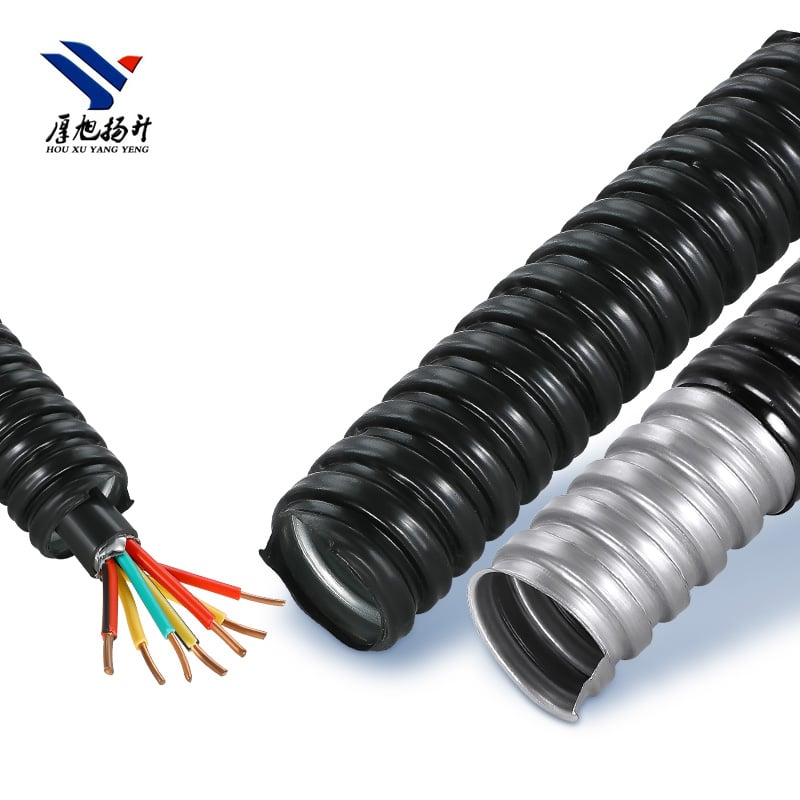
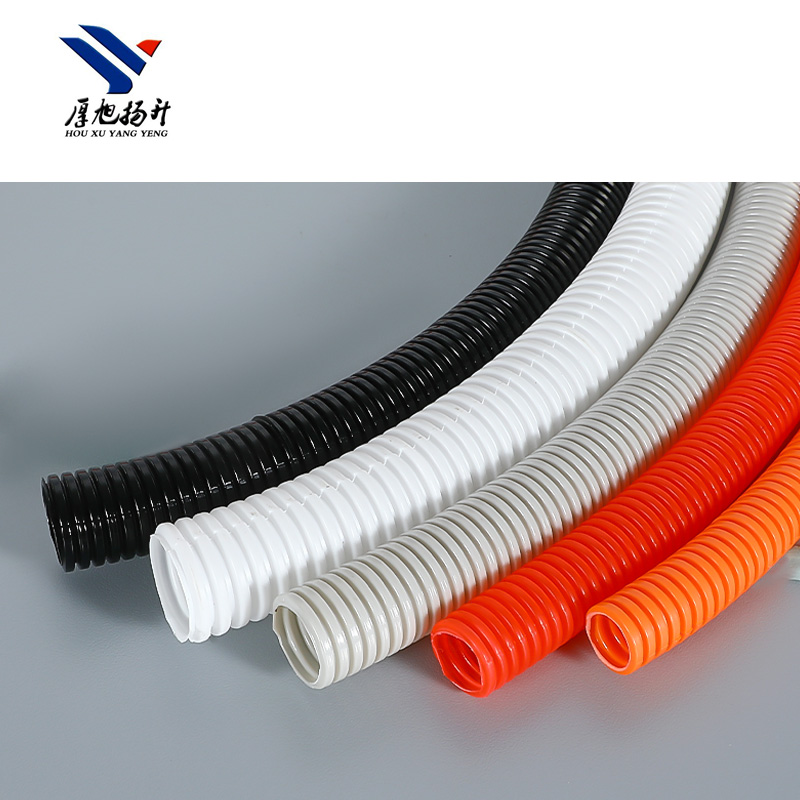
Outdoor Hazards That Drive Selection
Outdoor cable runs face conditions that indoor systems never encounter, and choosing the right flexible conduit begins with mapping the specific environmental loads at the install site. Sunlight, rain, salt-laden coastal air, and seasonal temperature swings each attack a different part of the protective system. A selection process that isolates these stressors allows procurement teams to match material and sealing performance to the actual duty cycle rather than relying on generic assumptions about one-size protection.
Sunlight Exposure and UV Degradation
Continuous sunlight exposure initiates a chain of molecular damage in many polymers, and a flexible conduit installed above ground must resist this for the full service life. UV degradation breaks polymer chains, causing surface chalking, micro-cracking, and gradual loss of tensile strength over time. PA66 formulated with stabilizers demonstrates UV stability rated beyond eight years of direct weathering, while unstabilized grades yellow and embrittle within two seasons. Specifying UV-stable compounds protects both the conduit wall and the conductors routed inside the system.
Moisture Ingress and Weather Resistance
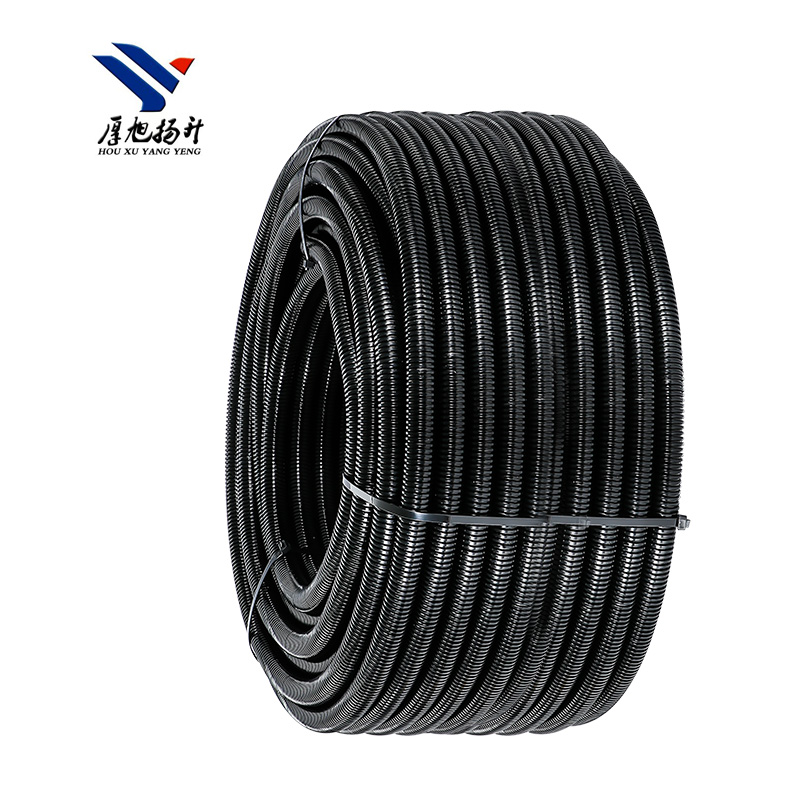
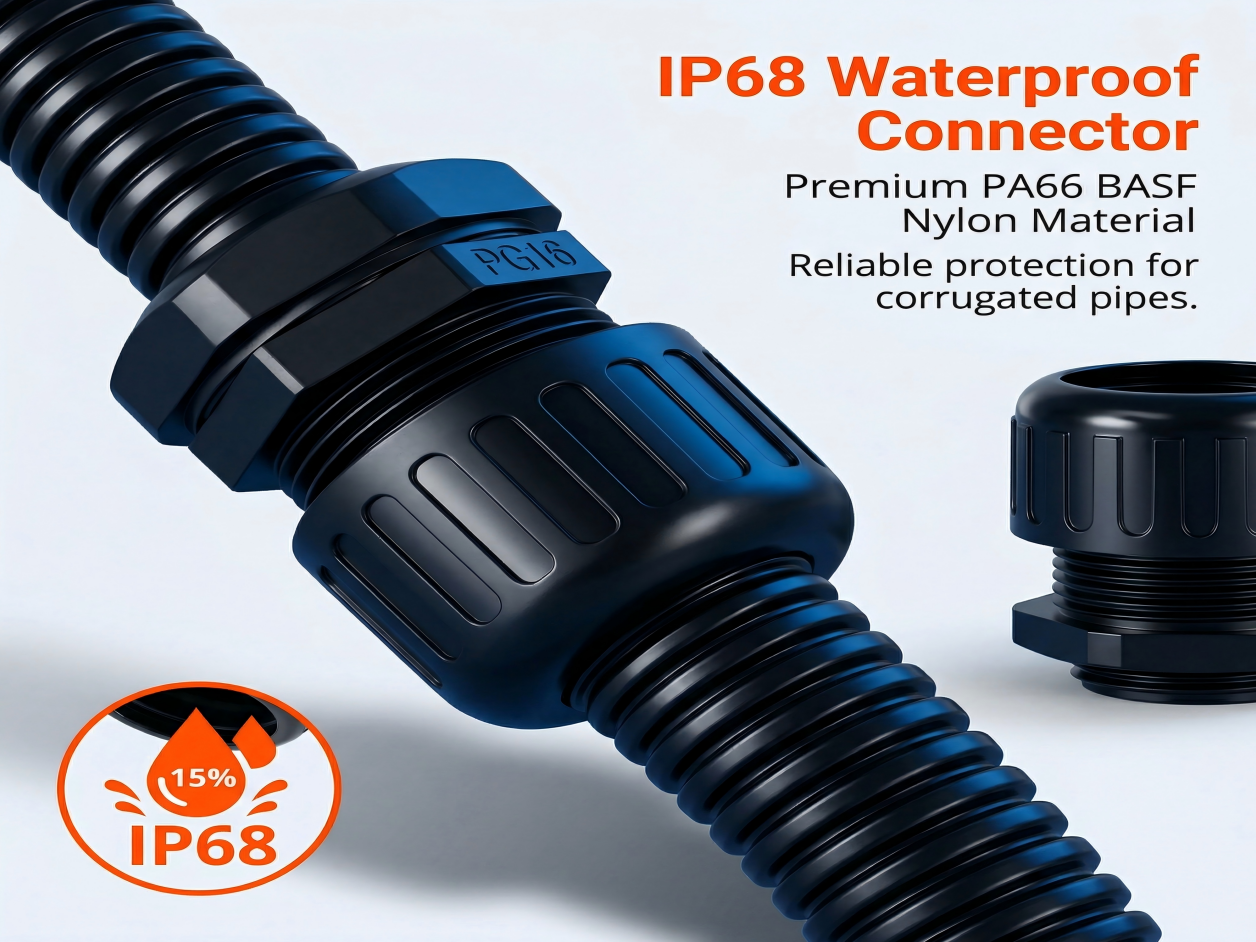
Rain, condensation, and standing water create constant pressure toward moisture ingress, which corrodes terminals and degrades insulation. Weather resistance depends on the wall material and on the sealing design at every joint. Specifying flexible conduit with a closed corrugated wall blocks liquid paths even during high-pressure washdown. A corrugated PA66 or PE conduit paired with sealed conduit fittings reaches IP67 protection. Sealing performance is verified to IEC 60529, the standard that defines IP67, IP68, and IP69 ratings through controlled dust and water exposure tests. Higher classes extend protection to continuous submersion and steam cleaning used in food and marine environments.
Material Options for Outdoor Installation
PA66 and PP Conduit Performance
PA66 delivers high tensile strength, strong abrasion resistance, and a broad operating range from -40 °C to +125 °C, making flexible conduit in this material suitable for demanding outdoor installation across solar farms and rail lines. PP conduit offers lighter weight and lower cost with good chemical resistance, though its upper temperature ceiling is more limited. Both materials support halogen-free, RoHS-compliant formulations. Conduit systems destined for North American sites are evaluated under UL 651 for nonmetallic conduit and installed per NFPA 70 / NEC wiring-method requirements. Selection between PA66 and PP balances mechanical load against thermal and budget constraints at the project site.
PE Conduit and Freeze Resistance
PE conduit excels where freeze resistance is the deciding factor, because polyethylene remains ductile at very low temperatures that would crack rigid plastics. Temperature cycling between day and night, or between summer and winter, repeatedly stresses conduit walls through expansion and contraction. Flexible conduit in PE retains flexibility below freezing and prevents joint separation and cracking during cold snaps. For cold-climate outdoor installation, PE or UV-stabilized PA66 are the practical choices, with PP conduit reserved for milder conditions where heat and UV loads stay moderate.
Procurement, Fittings, and Maintenance Advice
Conduit Fittings and IP67 Protection
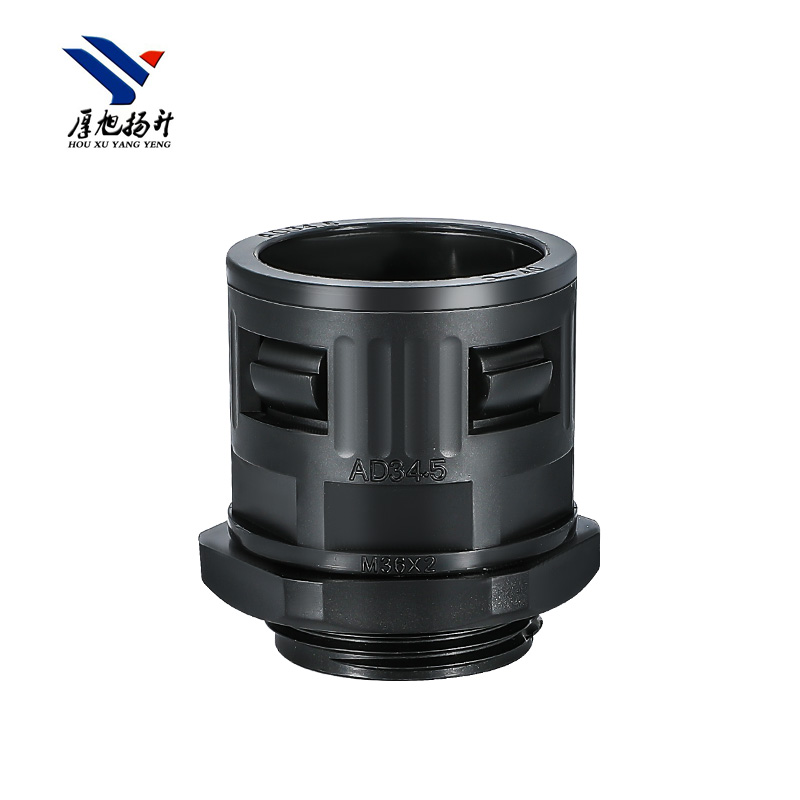
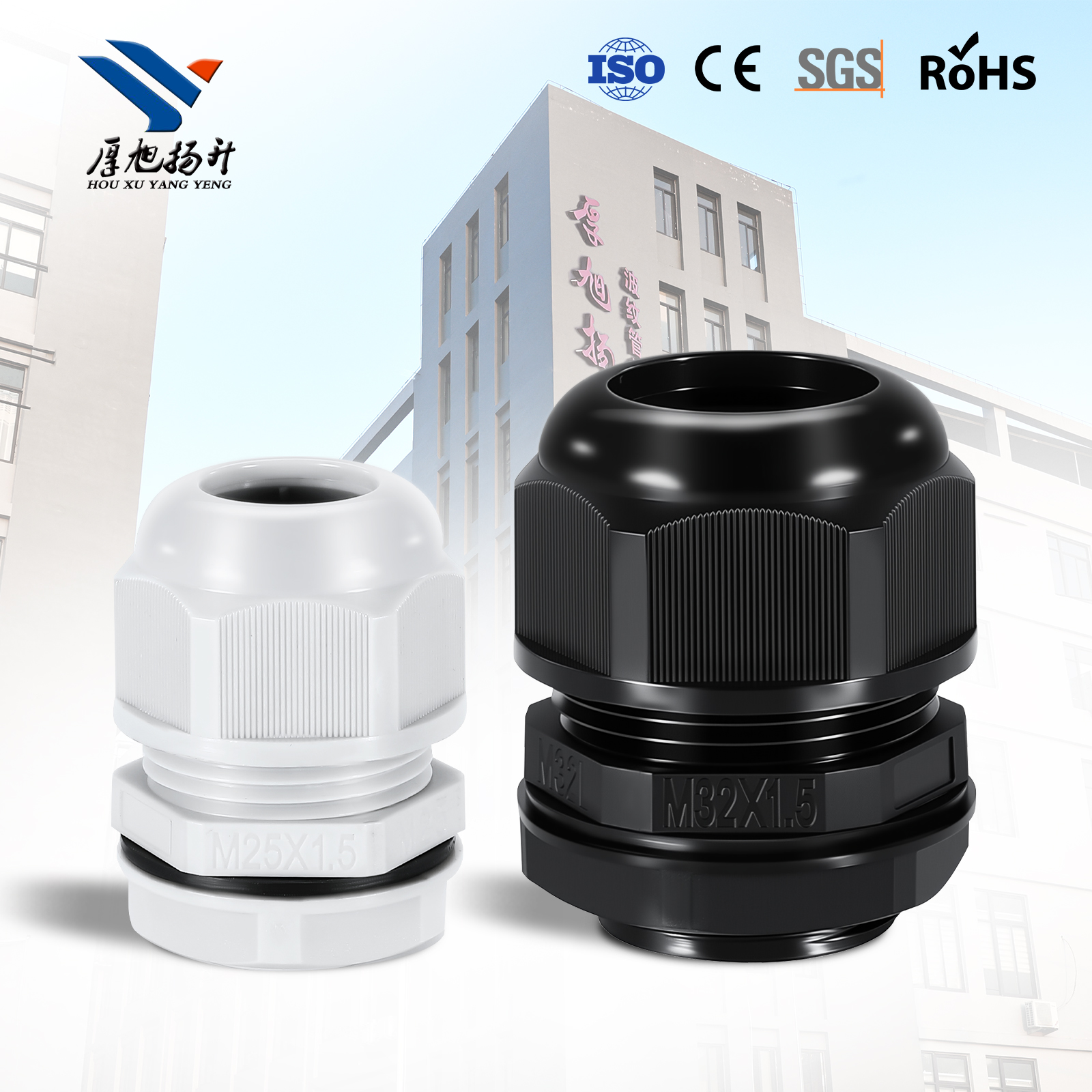
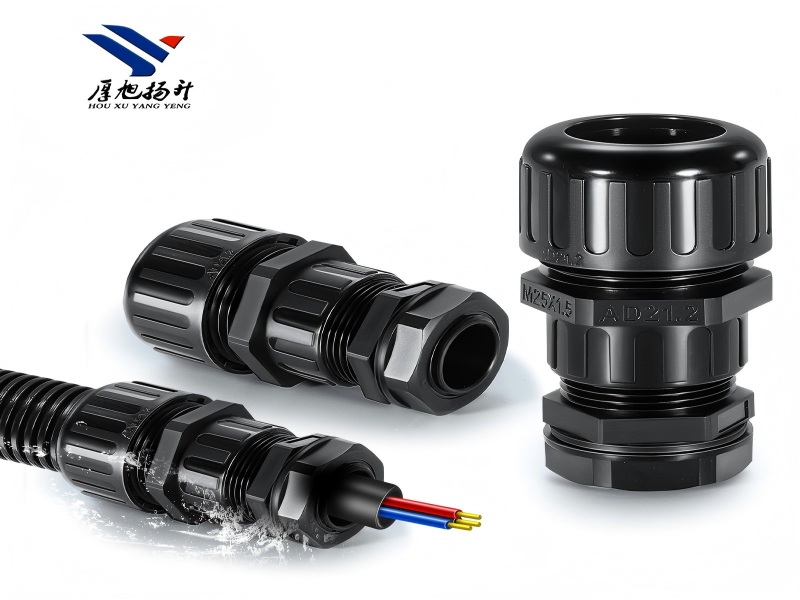
Even a durable conduit fails if conduit fittings leak, so the connector system carries equal weight in any outdoor design. Quick, tool-free connectors with integrated O-rings and NBR or EPDM seals maintain IP67 protection through thousands of mating cycles. Galvanic corrosion becomes a risk when dissimilar metals meet in wet environments, so matching nylon fittings to polymer conduit avoids the electrochemical attack that destroys brass-and-steel combinations. Seals should be specified for the local temperature range to stay elastic and watertight across seasonal change.
Tensile Strength and Galvanic Corrosion
Pull loads during installation and thermal movement during service both test tensile strength, and outdoor runs often span long, unsupported distances. A flexible conduit with adequate tensile rating resists elongation that could thin the wall and expose conductors. Galvanic corrosion between aluminum structures and steel clamps is controlled by isolating metals with non-conductive brackets or by using all-polymer support hardware. Regular torque checks on locking rings keep the assembly weather-tight without over-compressing the seal or fatiguing the conduit wall.
Inspection and Maintenance Schedule
At the buy stage, request certified UV and flame test reports, confirm the thread type matches existing hardware, and check that seals are NBR or EPDM rated for the lowest expected temperature. Inspect deliveries for uniform wall thickness and legible grade marking. During outdoor installation, avoid sharp bends below the minimum radius and secure long spans with non-conductive clamps to limit pull on conduit fittings.
Supplier quality systems certified to ISO 9001 confirm consistent compounding and traceable batch control, which matters when UV-stable grades must perform for eight years outdoors. A Southeast Asian solar EPC contractor faced recurring fault calls on a coastal array where standard PVC loom cracked under intense sunlight exposure within eighteen months. The team switched to UV-stable PA66 flexible conduit with IP67 conduit fittings and adopted a six-month inspection routine. Fault calls dropped sharply, and the new system passed two monsoon seasons without moisture ingress. The result confirmed that matching material to climate, then verifying seals on schedule, controls lifecycle cost.
Routine care should include a visual check of UV-stable surfaces for chalking, a tug test on locked connectors, and replacement of any cracked seal before monsoon or freeze periods. Documenting each inspection builds a service record that supports material selection on future projects and protects the installed moisture barrier against long-term weathering.
Summary
Outdoor cable protection succeeds when material choice, sealing, and maintenance align with the local climate rather than with a generic catalog rating. Procurement teams should verify UV stability, IP67 or higher sealing, freeze resistance, and fitting compatibility before purchase, then inspect joints on a fixed schedule. The correct flexible conduit for a given site balances PA66, PP, or PE properties against sunlight, moisture, and temperature cycling to deliver reliable service across the installed lifespan.
Frequently Asked Questions
Question
What ingress rating should outdoor conduit sealing meet?
Answer: Outdoor assemblies should meet at least IP67 under IEC 60529, which covers temporary immersion and dust-tight sealing. Coastal, washdown, or submerged sites benefit from IP68 or IP69 ratings instead. Verify the rating applies to the complete mated system, not just the conduit, because the weakest joint sets the real protection level for the whole run.
Question
Why does UV stability matter for above-ground conduit runs?
Answer: Sunlight exposure drives UV degradation that embrittles unprotected polymers within two seasons, leading to surface cracking and loss of tensile strength. UV-stable PA66 compounds resist chalking and micro-cracking for eight years or more of direct weathering. Specifying stabilized material avoids premature replacement and protects the conductors inside. Coastal and high-altitude sites see stronger radiation and should require documented UV-stable grades.
Question
How does temperature cycling affect outdoor conduit walls?
Answer: Day-night and seasonal temperature cycling forces conduit walls to expand and contract repeatedly, stressing every joint and seal. Materials that stay flexible across the range avoid cracking during cold snaps and wall thinning during heat. PE and UV-stable PA66 retain ductility below freezing, while rigid grades fracture. Designing for the local minimum and maximum temperature prevents separation at fittings and keeps the moisture barrier intact.
Question
Which material balances cost and outdoor durability for mild climates?
Answer: PP conduit suits milder outdoor sites where freeze resistance and peak heat are not critical, offering lower weight and cost with solid chemical resistance. PA66 earns its higher price where abrasion, wide temperature range, and eight-year UV stability are required. PE conduit fits cold regions needing freeze resistance. Match the material to the climate and mechanical load rather than to a single catalog rating when specifying.
Question
Can mismatched conduit fittings cause galvanic corrosion?
Answer: Mismatched metal conduit fittings against polymer or aluminum structures create galvanic corrosion in wet outdoor environments, eating seals and clamps. A flexible conduit system stays safe when nylon or all-polymer fittings are paired with the polymer wall and non-conductive brackets isolate dissimilar metals. Specifying compatible hardware at procurement prevents electrochemical attack and keeps the assembly weather-tight through repeated temperature cycling and washdown.