 EN
EN
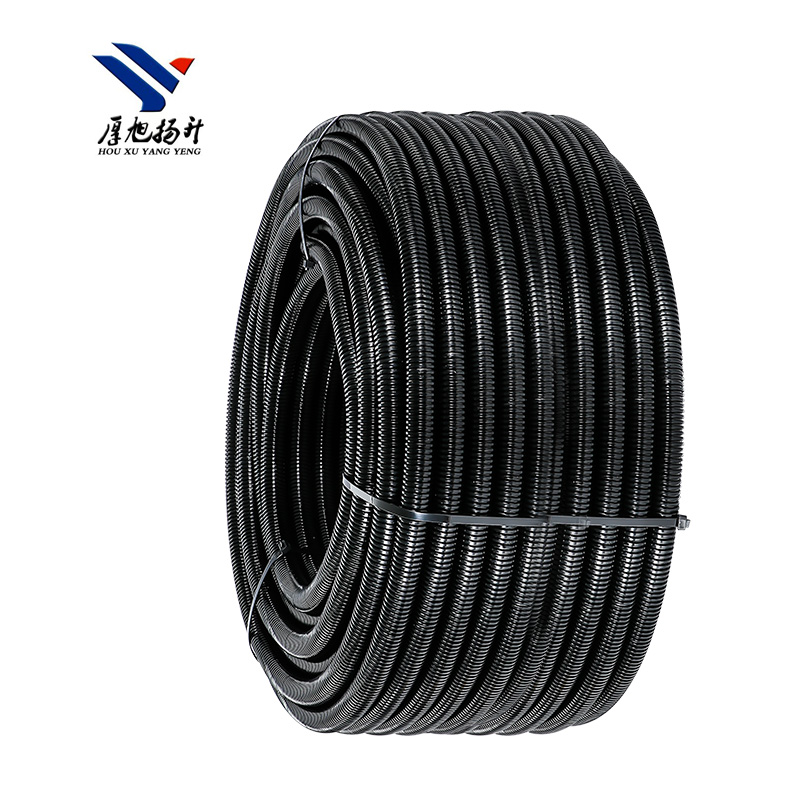
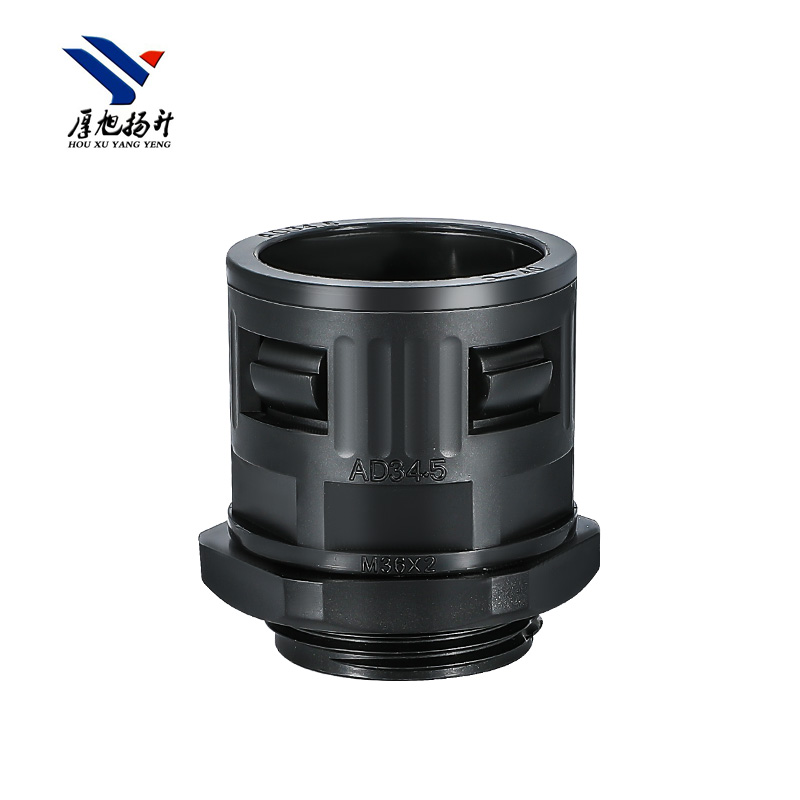
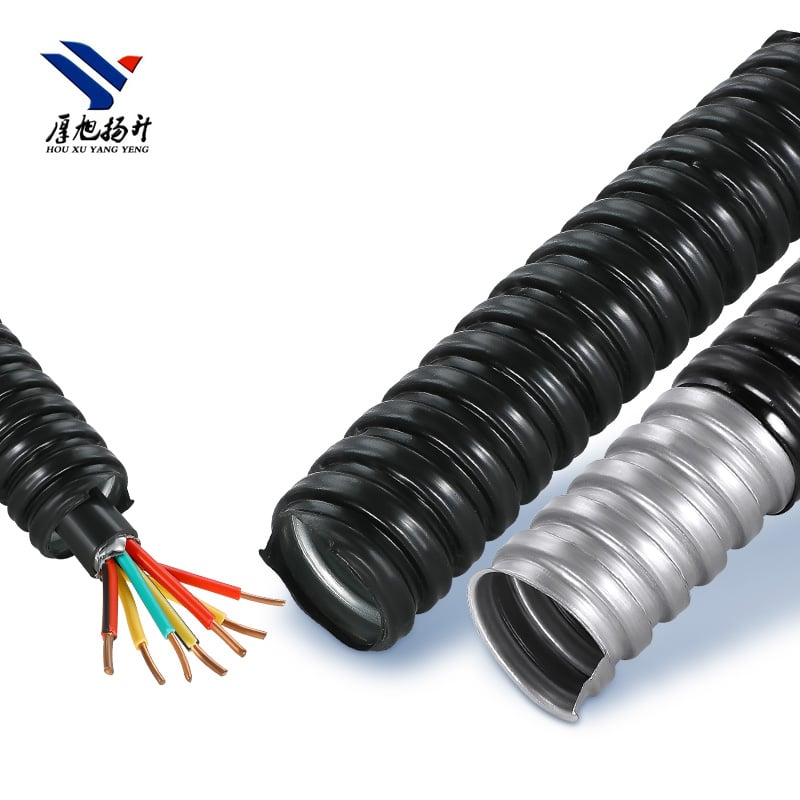
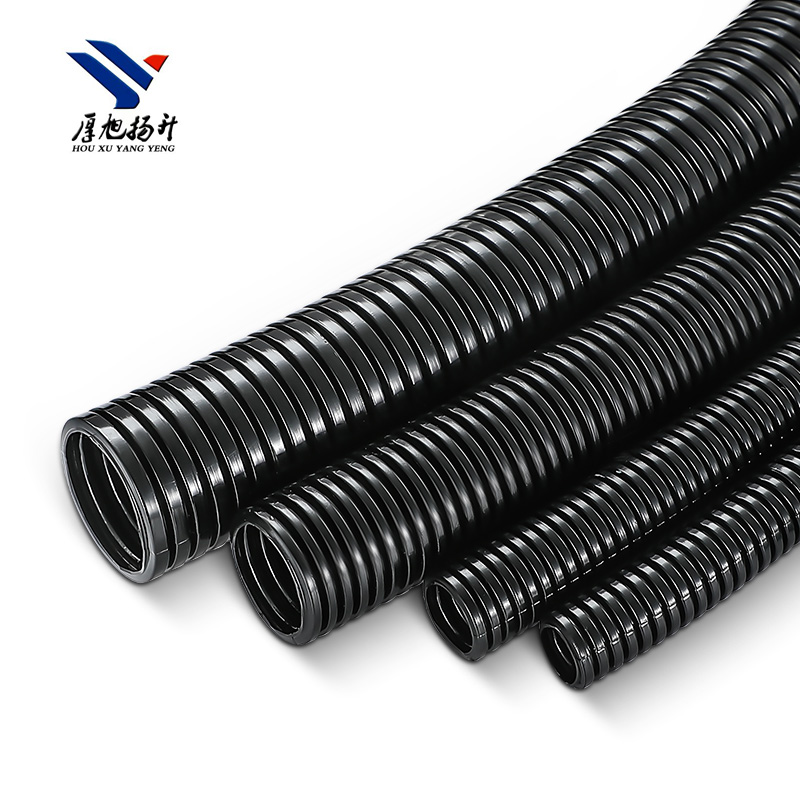
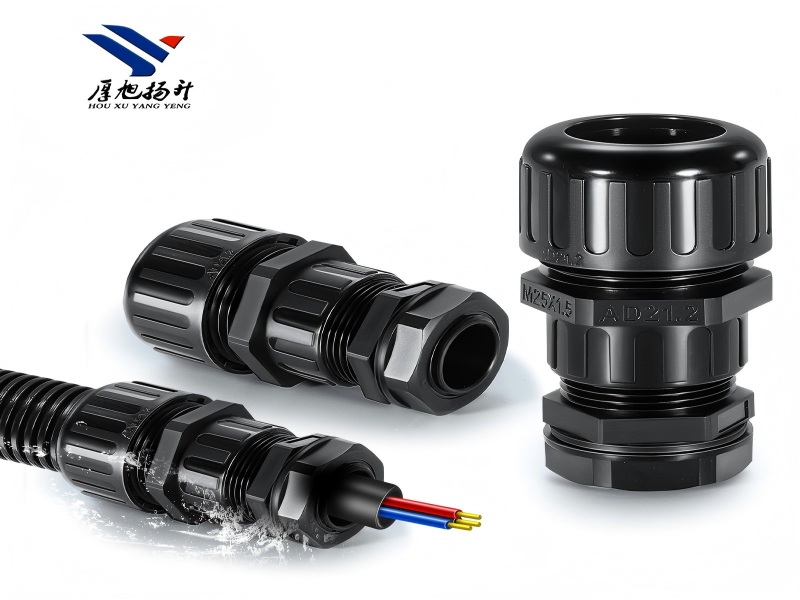
PA66 nylon conduit has become a standard response where aggressive sites destroy ordinary raceways. A flexible conduit built from virgin PA66 polymer resists the chemical, thermal, and mechanical abuse that fractures rigid plastics and corrodes thin-walled metals. The resin's molecular chain carries amide groups that resist solvent attack while holding tensile strength across a wide span of field temperatures. Specifiers weigh this balance when a cable run must survive coolant spray, salt-laden air, engine heat, and constant vibration without a service interruption.
What Gives PA66 Its Chemical Resilience?
Chemical Resistance Across Aggressive Media
Industrial process lines expose cabling to acids, alkalis, and cleaning agents that embrittle PVC and polyethylene over time. A flexible conduit made from nylon 6,6 absorbs far less moisture and swells less than commodity plastics, so the wall keeps its geometry near flanges and fittings. The nylon conduit grade used in certified systems is typically 100% virgin BASF PA66 rather than a recycled blend, which removes the batch-to-batch variation that weakens chemical resistance. In a plating shop, the routing that survived six months of caustic mist did so because the polymer simply did not react with the mist.
Oil Resistance Under Continuous Fluid Contact
Hydraulic lines, gearboxes, and transformer rooms leak oils that soften many polymers. A flexible conduit made from PA66 offers strong oil resistance because the semi-crystalline matrix limits absorption of aliphatic hydrocarbons; the wall stays dimensionally stable where mineral oil pools around a machine base. A German automotive harness supplier routed sensor lines through an engine-bay conduit that sat in dripping lubricant for three production years, and pull-out testing at teardown showed no wall softening. Selecting oil-rated grades avoids the swelling that loosens fittings and invites moisture behind the seal.
How Does PA66 Handle Heat and Flame?
Operating Temperature Range of PA66 Nylon Conduit
The working envelope defines whether a run survives seasonal swings. A flexible conduit rated from -40 °C to +125 °C keeps its ductility in freezer rooms and its shape beside hot exhaust manifolds. The temperature range is set by the glass-transition behavior of PA66; below the limit the wall turns brittle, above it the amide chains creep. A coastal food-processing plant ran chilled-store cabling that dropped to -35 °C nightly, and the nylon held flex without micro-cracking that a rigid PVC equivalent would have shown by the second winter.
Flame Retardant Performance and UL94 V0
Combustible dust and arc-fault risk make flame behavior a safety parameter, not a footnote. A flexible conduit graded UL94 V0 self-extinguishes within seconds after the ignition source is removed, limiting flame travel along a cable tray. The flame retardant additive is compounded into the PA66 melt so performance does not wash off with cleaning. NFPA 70 / NEC routing rules push exposed runs toward non-propagating materials in occupied areas. A Southeast Asian solar EPC contractor specified V0-rated conduit in combiner boxes after a competitor's run carried a small arc into adjacent wiring; the change contained the event to a single enclosure.
Why Does PA66 Survive Outdoor and Mechanical Abuse?
UV-Stable Protection in Direct Sunlight
Sunlight breaks polymer chains through photon-driven oxidation, and cheap polyolefin loom chalks and cracks within a season. A flexible conduit formulated UV-stable resists this by embedding stabilized pigment and hindered-amine light absorbers into the resin, so surface hardness stays even after years on a rooftop. UV resistance is verified by accelerated weathering rather than claimed; rated systems hold mechanical values after 8+ years of equivalent outdoor dose. For desert and tropical rooftops, specify the UV-stable grade and avoid painted-over substitutes that hide degradation until failure.
Abrasion Resistance and Mechanical Protection
Moving machinery, dragged harnesses, and sharp panel edges grind through soft sheathing. A PA66 conduit with a corrugated outer profile spreads contact force and resists scuffing far better than a smooth thin wall. The abrasion resistance of PA66 lets a routed line survive repeated contact with a conveyor frame without exposing the conductor. Impact resistance matters where tools or falling parts strike the run; the corrugated structure localizes the hit and springs back. Inspect for shiny worn ridges at clamp points, and re-route or sleeve any line showing the inner wall through the outer crest.
How the Corrugated Structure Aids Cable Routing
Corrugated Structure and Dielectric Strength
The ribbed profile is not only flexible; it sets the electrical behavior. A PA66 conduit with a corrugated structure holds a stable air gap between conductors and ground, supporting high dielectric strength that reduces leakage risk in wet, salty conditions. The convolutions let the run bend tight without kinking, which keeps the bend radius and prevents insulation pinch. For signal and power mixed in one path, the nylon wall's insulation value matters more than its color; verify ratings against IEC 61386 for conduit systems when the route crosses bonded and isolated structures.
IP Rating and Sealing for Contaminated Sites
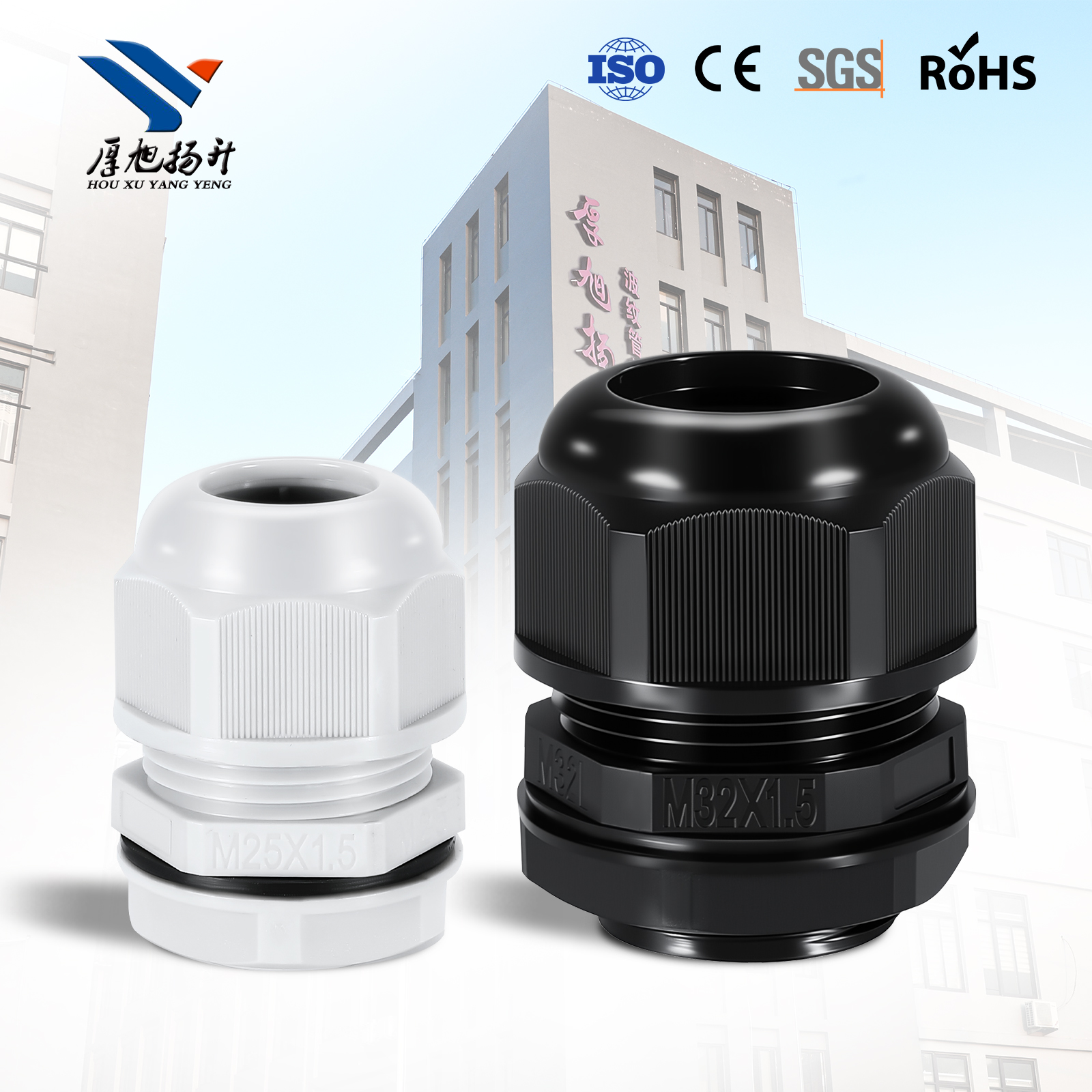
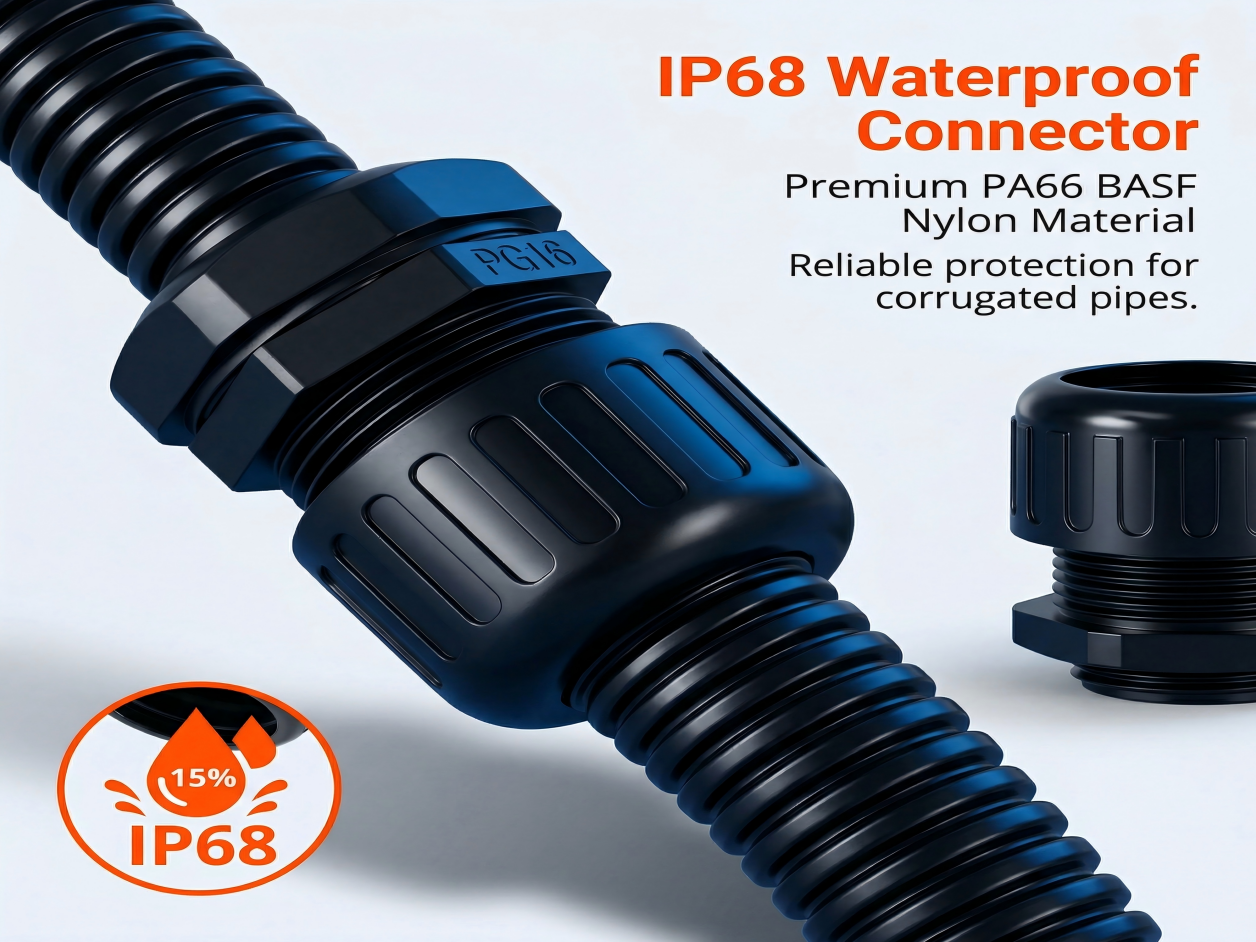
Protection class decides what the inside sees. A conduit paired with a matched IP rating seal blocks water, dust, and washdown spray that would corrode terminations. IP67 resists temporary immersion, IP68 handles continuous submersion, and IP69 survives high-pressure steam cleaning in food lines. Sealing depends on the fitting as much as the conduit; an O-ring and NBR or EPDM seal at the connector keeps the class honest. For cable routing through a washdown wall, choose the highest class the budget allows and torque the gland to the maker's spec rather than hand-tight.
Summary
Material choice decides whether a cable run lives or fails in a punishing site. PA66 earns its place through balanced chemical resistance, a wide temperature range, verified UV-stable durability, strong abrasion resistance, and self-extinguishing flame retardant behavior. The flexible conduit remains the practical answer where heat, solvent, sun, and grind act together, because the nylon matrix holds form while the corrugated structure absorbs shock and the sealing system keeps contaminants out. Specify virgin-grade resin, match the IP rating to the site, and verify UL94 V0 and IEC 61386 marks before purchase.
Frequently Asked Questions
Question
What chemicals does PA66 conduit resist in process plants?
Answer: PA66 resists dilute acids, alkalis, salts, and many solvents that embrittle PVC and polyethylene. The semi-crystalline nylon matrix absorbs little moisture, so wall geometry stays stable near flanges and fittings. Strong chemical resistance lets the system sit in caustic mist, coolant spray, and cleaning agents without swelling. Confirm the specific fluid against the resin data sheet, because concentrated oxidizers and phenols can still attack nylon and must be excluded from the rated exposure list.
Question
How low a temperature can nylon conduit handle before cracking?
Answer: Virgin PA66 stays ductile down to about -40 °C, far below the point where rigid PVC turns brittle. The safe temperature range is bounded by the glass-transition of the amide chains; below it the wall loses impact resistance and micro-cracks form under bending. For freezer rooms and northern rooftops, verify the rated low limit and avoid thin-wall imports that skip cold testing. A 10 °C margin below the site minimum prevents winter snap at clamps.
Question
Can UV-stable conduit remain outdoors for several years?
Answer: A properly formulated UV-stable grade resists photon-driven chain breakdown and keeps surface hardness after accelerated weathering equal to 8+ years of sun. UV resistance is a compounded property, not a coating that wears off, so the protection survives abrasion and washing. Coastal and desert sites still need inspection for chalk or craze. Pair the conduit with UV-rated fittings, and avoid painting the run, which hides early degradation until a crack reaches the conductor.
Question
Why does the flame retardant rating matter where dust and arcs exist?
Answer: A flexible conduit graded UL94 V0 stops burning within seconds after the ignition source leaves, preventing flame travel along a tray into other enclosures. Combustible dust and arc faults make this a safety parameter under NFPA 70 / NEC routing rules for occupied spaces. The flame retardant is compounded into the PA66 melt, so performance is built in rather than surface-applied. Specify V0 for combiner boxes, motor compartments, and any run crossing a fire-rated wall.
Question
Which inspection steps confirm a harsh-site conduit install?
Answer: At receiving, check the jacket for uniform corrugated structure and verify UL94 V0 and IEC 61386 marks plus the IP rating on the label. During install, confirm the fitting seals with an NBR or EPDM O-ring and torque the gland to spec. On site, inspect clamp points for shiny worn ridges showing abrasion through the crest, and re-route any line exposing the inner wall. Log batch numbers to support traceability under ISO 9001.