
 EN
EN



Why Is Nylon Cable Gland Widely Used?
As an electrical installation engineer who works with cable protection systems daily, one of the questions I hear regularly is: why do so many projects specify a nylon cable gland when metal alternatives are on the shelf? The answer isn't simply cost. It comes down to what the material actually delivers — and which environments it is genuinely suited for.
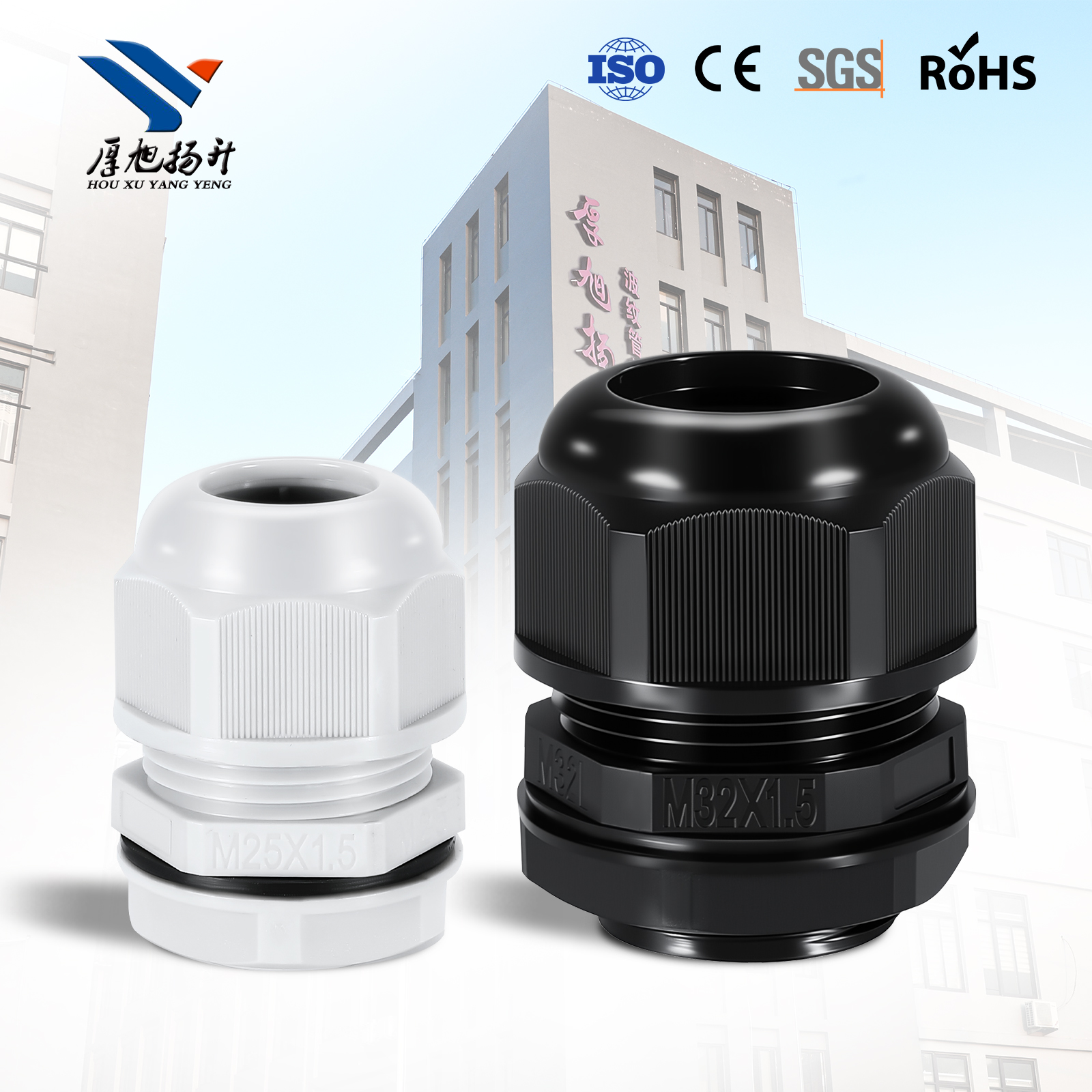
Nylon cable glands, particularly those made from PA66 (polyamide 66), offer a combination of mechanical strength, chemical resistance, electrical insulation, and IP-rated sealing that covers the majority of industrial and commercial applications at a fraction of the weight and price of metal equivalents. That said, they're best suited for non-corrosion-critical environments — and that distinction matters when you're specifying for a project with mixed conditions.
What Is a Nylon Cable Gland?
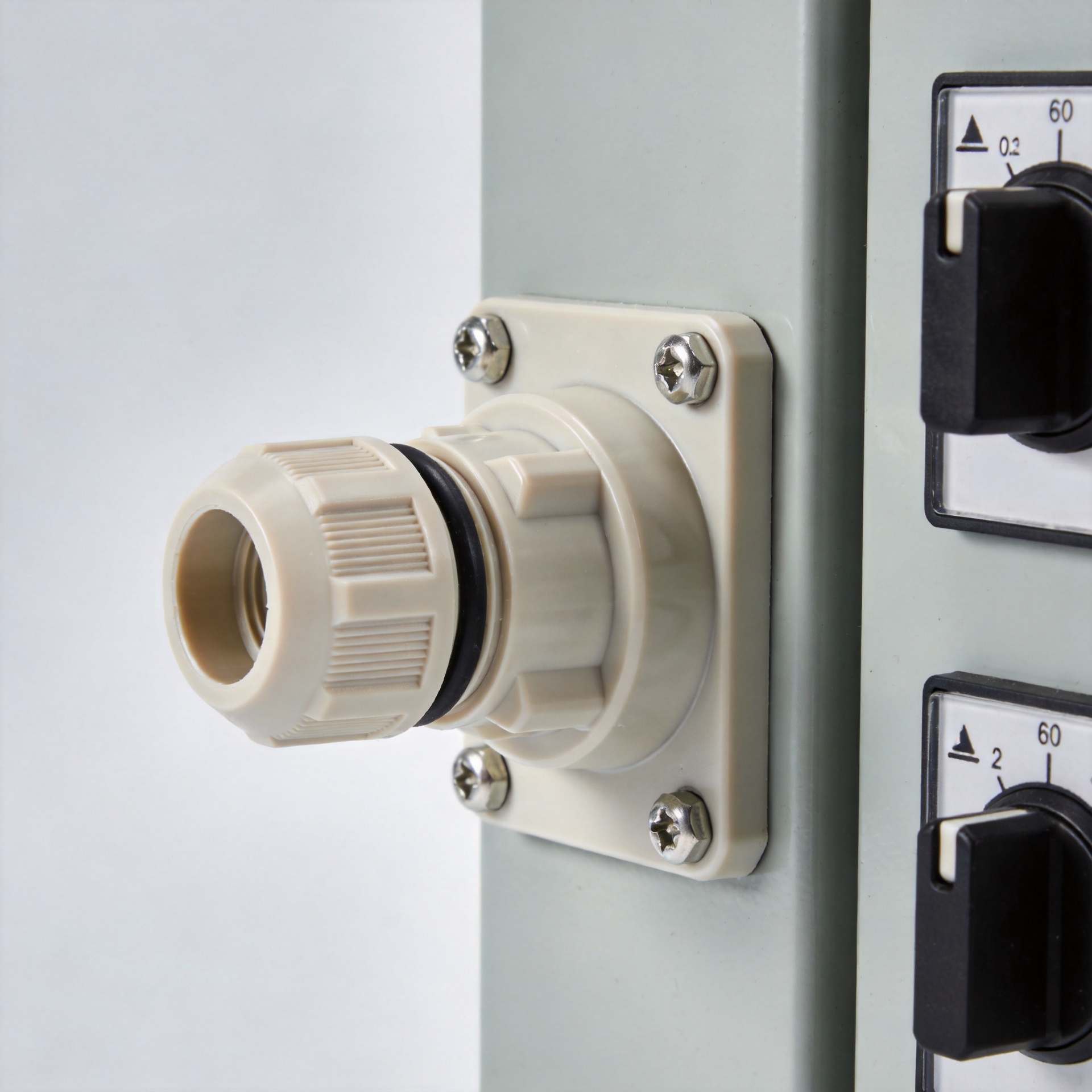
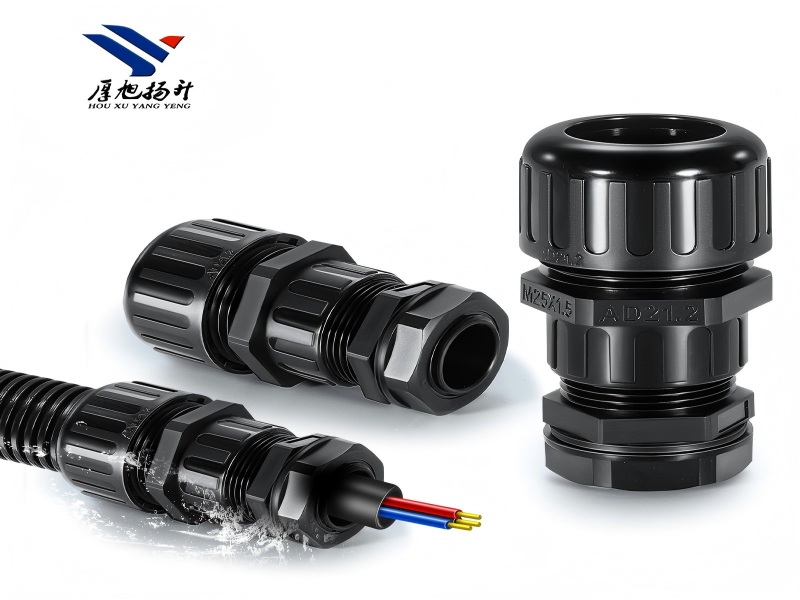
A cable gland is the fitting that seals a cable entry point on an enclosure — whether that's an electrical panel, control cabinet, junction box, or mechanical switchboard. It handles two things at once: it maintains the IP (Ingress Protection) rating of the enclosure by blocking dust and water from entering through the cable opening, and it provides strain relief to keep cable movement from stressing the conductors inside.
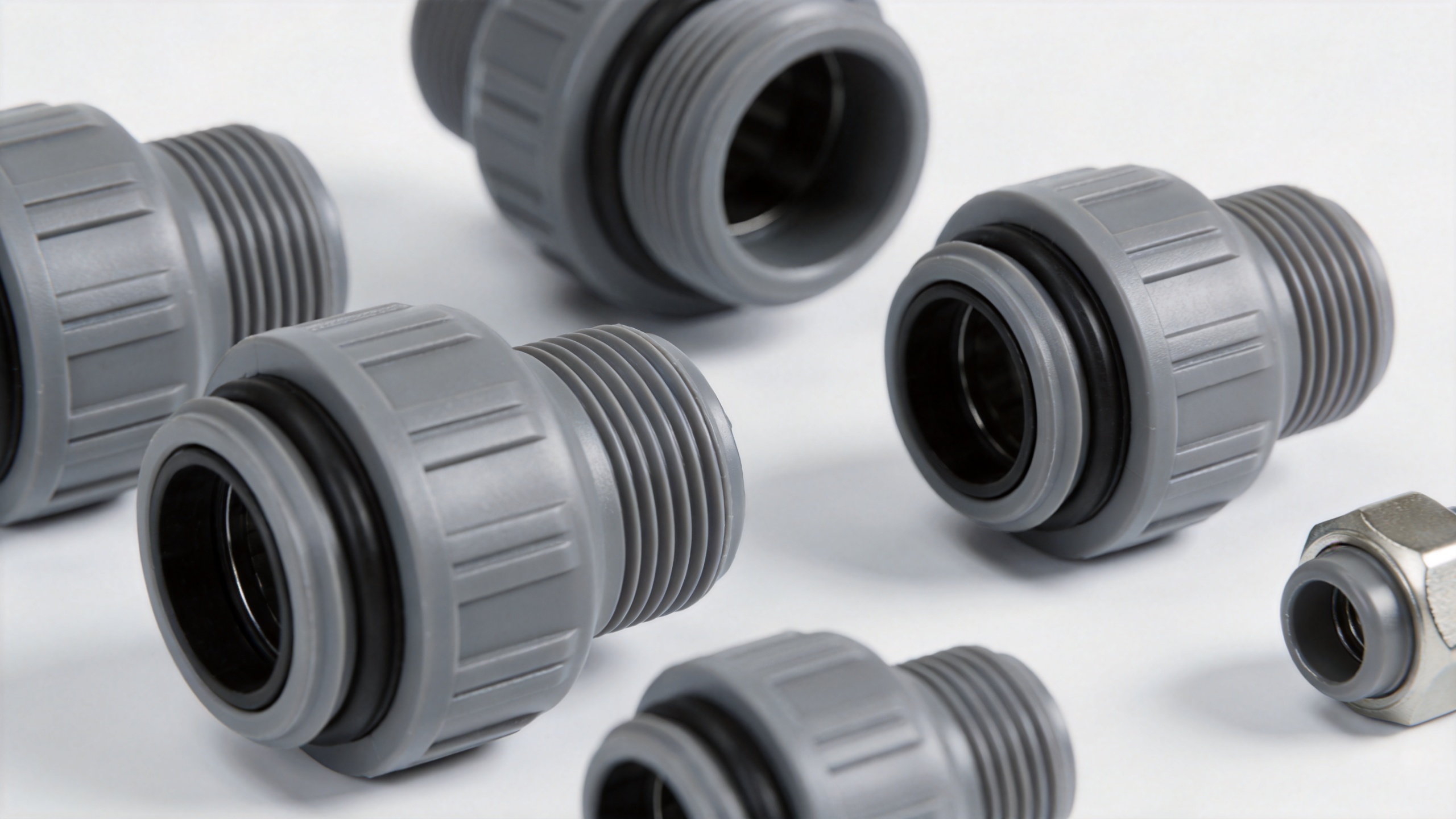
Nylon cable glands use PA66 polymer as the primary body material. PA66 is a reinforced polyamide that has become the standard for general industrial cable entries because it balances mechanical performance with consistent tolerancing and low unit cost. Most PA66 cable glands carry a UL94 V-2 flame retardancy classification, which meets fire safety requirements for standard electrical enclosure applications.
Key Properties That Drive Wide Adoption
Understanding why nylon cable glands are so widely used starts with the specific properties of PA66 and how they map to real installation requirements:
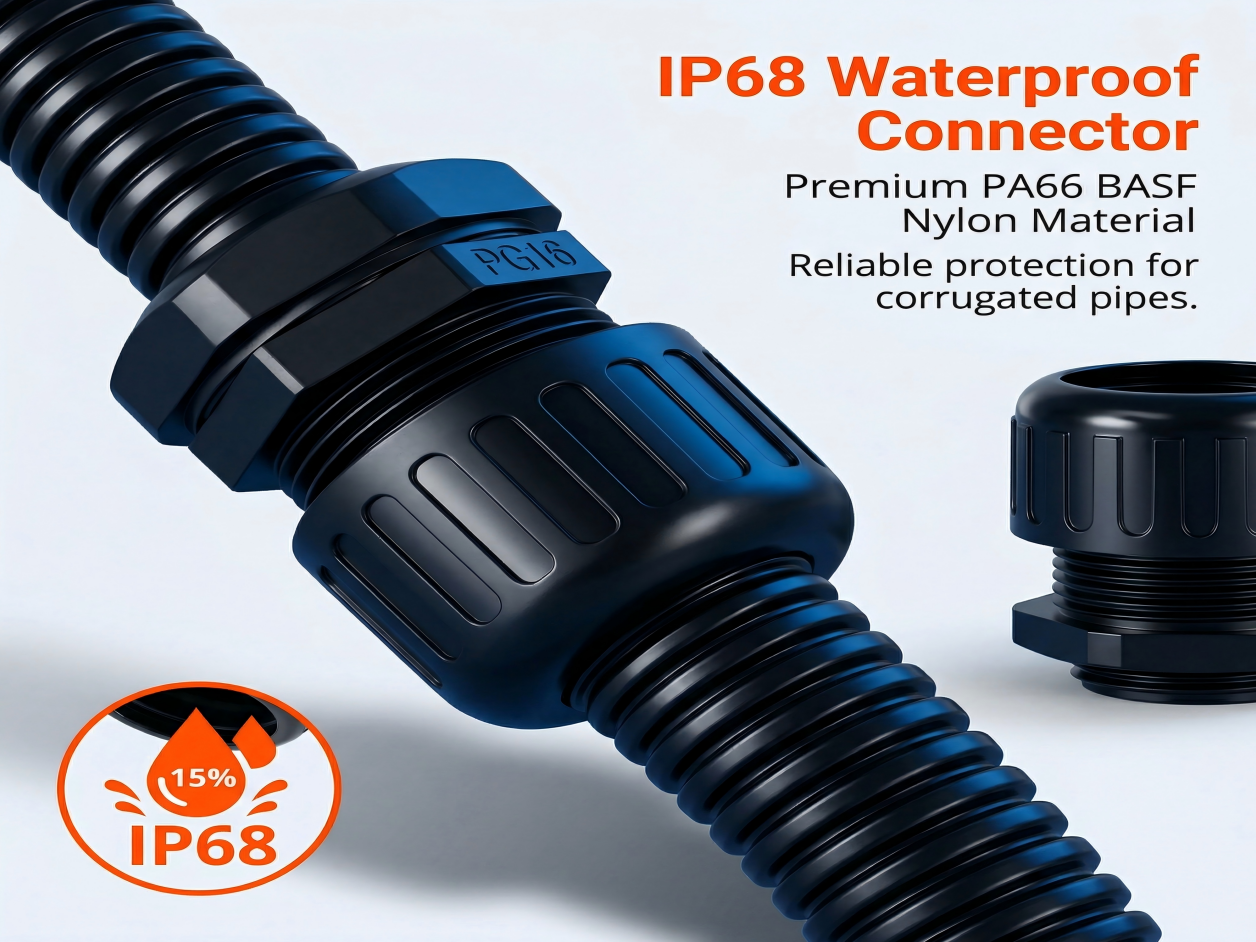
IP68-Capable Sealing
Some buyers are surprised to find that a plastic fitting can achieve IP68 rating — the highest standard for water ingress protection, requiring continuous submersion tolerance. The IP rating depends on the sealing element design, not the outer body material. A nylon cable gland with EPDM or NBR sealing inserts can reach IP68 as long as the clamping range covers the cable's outer diameter. The body material is largely secondary — what drives sealing performance is the compression geometry and insert material.
Chemical and UV Resistance
PA66 handles a wide range of chemicals found in standard industrial environments: oils, fuels, dilute acids, and common cleaning agents. With UV stabilizers added during manufacture, nylon cable glands hold up in outdoor installations exposed to direct sunlight — worth factoring in for outdoor control panels, solar applications, and rooftop equipment enclosures.
In environments without aggressive acid or halogen exposure, PA66 nylon delivers comparable chemical resistance to nickel-plated brass at a significantly lower unit cost, and without the galvanic corrosion risk that metal fittings can introduce in humid or damp installations.
Electrical Insulation
Metal cable glands are conductive; nylon is not. Two situations make this difference practically important: enclosures that are not earthed, where metal contact near live conductors would introduce a hazard; and screened or armored cables, where an unintended earth path through the gland body can cause interference. For low-voltage signal cables and sensor wiring in automation panels, the insulating properties of nylon are often the better fit.
Lightweight and Ease of Installation
Nylon cable glands weigh substantially less than equivalent metal glands — a real consideration in overhead panel installations where fitting weight adds up across dozens of cable entries. Lower mass also means less installation torque, which reduces the risk of over-tightening damage to the sealing element. Getting consistent torque across 30 or 40 gland entries in a panel build is easier with nylon than with metal, where higher thread friction makes torque variation harder to control by hand.
Typical Applications
The breadth of applications for nylon cable glands reflects their range across IP requirements and cable diameter sizes:
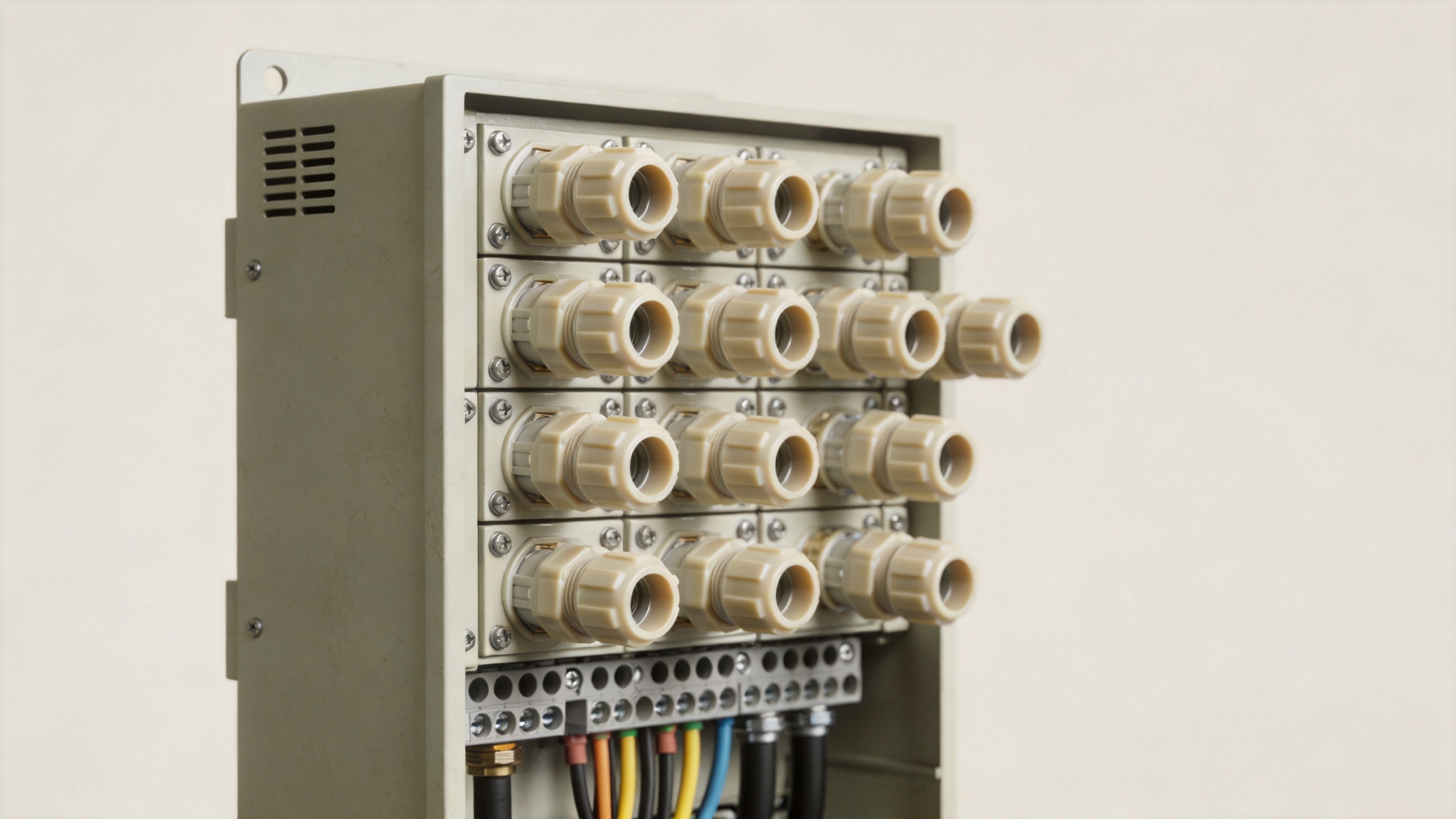
- Mechanical control boxes and switchboards: The most common application. Standard enclosures in manufacturing and process facilities require IP54 to IP66 sealing at cable entries, and PA66 nylon glands deliver this across sizes from M12 through M63.
- Outdoor electrical panels: Rooftop AC units, outdoor distribution boards, and agricultural control systems need IP65 or IP66 cable entry points. Nylon glands with UV-stabilized bodies handle these conditions without the surface corrosion that affects some metal alternatives over time.
- Automation and machine tool enclosures: In motor control and drive panels, nylon cable glands are specified for signal and control cable entries where insulation and lightweight properties matter.
- Telecom and data equipment housings: Network cabinets and outdoor telecom enclosures commonly use nylon cable glands for fiber and copper cable entries with IP68 requirements.
- Solar and renewable energy installations: Junction boxes for PV strings and inverter enclosures are a growing application where IP68-rated nylon cable glands manage UV exposure and outdoor water ingress.
When Nylon Is Not the Right Choice
IP rating is often treated as a proxy for overall product durability — but IP ratings only measure dust and water ingress, not chemical resistance, mechanical pull strength, or galvanic corrosion behavior in contact with aluminum enclosures in marine conditions. In chemical plant environments with chlorine or halogen exposure, PA66 degrades over time and stainless steel or PA12 becomes the correct specification. Where the installation involves heavy power cables with significant pull on the gland, the higher clamping force of a metal gland body adds mechanical security that nylon at the same body size cannot match.
For the majority of standard industrial, commercial, and infrastructure applications, though, nylon PA66 cable glands cover what the application actually requires — without the cost, weight, or installation complexity of metal. Getting that call right at the specification stage is what separates a lean project BOM from one that has been over-specified by default.
Selecting the Right Nylon Cable Gland
When specifying a nylon cable gland, confirm three things: the thread standard matching your enclosure knockout (metric PG, metric M-thread, or NPT for North American applications); the clamping range that covers your cable's actual outer diameter rather than nominal cross-section; and the required IP level. For the IP question, the difference between IP65/IP66 (splash and hose-down) and IP68 (submersion) matters to sealing insert design, even though both are achievable in nylon.
For projects spanning multiple enclosure standards or international work, sourcing a nylon cable gland line that covers metric PG, M-thread, and NPT in the same product family reduces the stocking and substitution friction that builds up when regional standards differ across the same project.